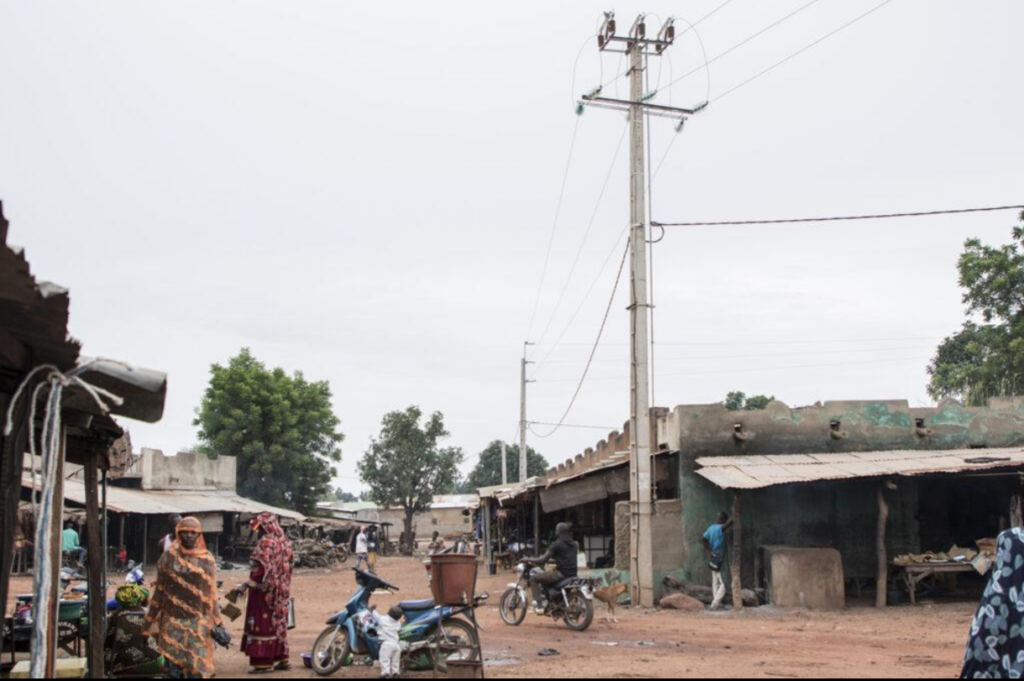
Mali’s decision to withdraw from the Economic Community of West African States (CEDEAO) in 2026 didn’t sever its access to critical electrical infrastructure projects already in motion. A regional electrification initiative launched under CEDEAO’s coordination continues to power Malian communities, proving that development gains can outlast political divisions.
How Mali’s electricity expansion defies political fractures
When Mali joined Burkina Faso and Niger in severing ties with the 15-nation bloc, diplomatic relations soured overnight. Yet the West African Power Pool’s ECOWAS Regional Electricity Access Project (ECOWAS-REAP) forged ahead, delivering tangible benefits to Malian towns and cities. This underscores a stark reality: once infrastructure projects break ground, their momentum rarely stalls, even when geopolitical storms rage.
The numbers behind the resilience
The project, initiated in 2019 with $225 million in World Bank financing, set out to brighten the lives of half a million West Africans—including a significant portion in Mali. Since its inception, ECOWAS-REAP has:
- Connected 490 underserved communities to national grids
- Provided new or improved electricity access to nearly 500,000 people across Gambia, Guinea-Bissau, and Mali
- Triggered cross-border cooperation among national power utilities, including Mali’s Énergie du Mali (EDM-SA)
The program’s recent review in Abuja, Nigeria, brought together energy ministers and utility CEOs, with Malian representatives in attendance—despite Bamako’s withdrawal from CEDEAO. This pragmatic participation signals that technical cooperation can endure where political cooperation founders.
Electricity as a non-negotiable development lever
In a nation grappling with economic slowdowns and security threats, reliable electricity isn’t a luxury—it’s a lifeline. Malian authorities emphasize that the project’s 30-month extension request isn’t just bureaucratic: it reflects real-world obstacles like security roadblocks and contractual delays. These challenges delay grid extensions but don’t negate the project’s necessity.
Oussouby Mary dit Ousmane Diarra, Mali’s Energy Director, stressed that “electrification projects don’t pause for geopolitical shifts—they serve communities first.” His plea to the World Bank highlights how infrastructure timelines must bend to local realities, not political calendars.
Lessons from Mali: can development survive diplomatic ruptures?
The ECOWAS-REAP case study offers a bold answer: yes—but only if institutions prioritize continuity over contention. While Mali’s exit from CEDEAO reshaped its diplomatic map, the technical teams behind the electrification project remained steadfast. Their focus? Sustaining infrastructure, securing financing, and transitioning management to national utilities.
For CEDEAO, the lesson is clear: development projects need institutional air-cover to survive leadership changes. For Mali, the takeaway is equally stark: energy access is too vital to tether to political tempests. The grid expansion continues—not because diplomacy is smiling, but because a million lights flicker on.
What’s next for Mali’s electrification drive?
The road ahead demands:
- Swift approval of Mali’s extension request to prevent service interruptions
- Strengthened collaboration between EDM-SA and regional partners to maintain project momentum
- Transparent audits to ensure funds reach the people they’re meant to serve
One thing is certain: the stakes are too high for Malian citizens to wait for regional politics to catch up with progress.