The Mali government’s implementation rate of West African community reforms has slipped from 80.06 % in 2024 to 75.52 % in 2025, a 4.54-point retreat that now casts a shadow over the country’s institutional credibility and its ability to keep investors confident in the UEMOA regional market.
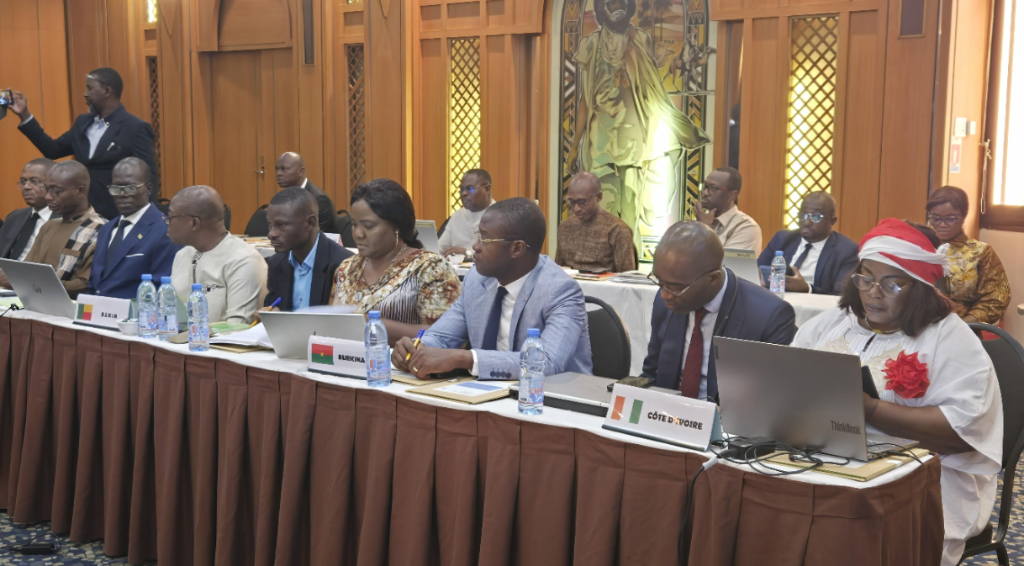
The figure emerged during the twelfth annual review of UEMOA reforms held at Bamako’s Azalaï Hotel on 4 November 2026, spotlighting a worrying trend that stretches beyond isolated statistics. While the retreat does not by itself signal rising insolvency, it poses immediate questions about Mali’s economic outlook and the real-world consequences for citizens, businesses, and the broader regional financial ecosystem.
The institutional friction behind the slide
Regional dynamics have shifted since the Alliance of Sahel States (AES) took shape. These geopolitical shuffles have strained coordination between Bamako and several key regional bodies, making it harder to align public policies and enforce shared commitments. The resulting friction can delay the passage of regulatory texts, stall inter-ministerial cooperation, and slow the roll-out of reforms that investors depend on.
Administrative bottlenecks compound the challenge. Routine tasks—drafting decrees, training staff, aligning budget lines—are bogged down by staff shortages and slow decision-making, pushing reform timelines further into the future. Security and fiscal constraints only tighten the squeeze: recurring defense spending and urgent social needs leave fewer resources for deeper structural overhauls, leaving some critical reforms on hold.
Investor sentiment: from data to dollars
Mali’s push for funding hinges on the UEMOA regional market. The state routinely sells Treasury bills and bonds to regional banks and institutional investors, plugging budget gaps and financing public priorities. Buyers are not simply chasing yields; they are pricing in institutional stability, policy predictability, and the government’s track record of keeping its word.
A sustained reform slowdown can tilt this delicate balance. If confidence wavers, Mali may face higher borrowing costs, forcing the treasury to pay heftier coupons on new debt. While a single year’s 4.54-point dip is not yet a market verdict, it amplifies scrutiny of Mali’s reform momentum. If that scrutiny hardens into concrete risk premiums, everyday Malian households—through higher taxes or reduced services—could ultimately bear the brunt.
Debt and deficits: the domino effect
For 2026, officials have penciled in borrowing of 1.45 trillion West African CFA francs from the UEMOA market, following the 1.193 trillion raised in 2025. These sums underscore the country’s reliance on regional financiers. Two dangers loom: investors may demand fatter yields, or they may simply stay away in smaller numbers during auctions.
Should yields climb, Mali’s debt service bill swells, starving social spending of cash. Scarcer liquidity can also tighten treasury operations, delaying civil-service salaries, infrastructure contracts, or school and hospital budgets. Commercial banks—major purchasers of sovereign paper—could see their own balance sheets strain under a heavier concentration of Malian government debt.
What the 4.54-point gap really means
Mali’s slide is less a sentence than a warning light. It does not yet confirm market punishment, but it does demand swift, transparent corrective action. The twelfth annual review must now serve as a springboard: ministers need to pinpoint the lagging reforms, set realistic execution calendars, and rebuild inter-agency cooperation.
The message to investors is clear: credibility is earned through consistent delivery, not declarations. On the UEMOA stage, trust is not handed out—it is repaid in predictable policies, respected commitments, and measurable results.