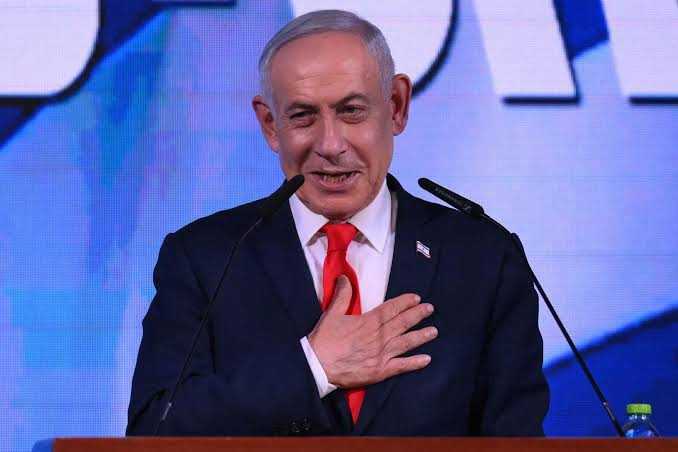
Israel now grapples with an unprecedented institutional crisis after a legislative election left Prime Minister Benjamin Netanyahu’s coalition without the votes needed to secure a majority in the Knesset. The outcome has plunged the country into political uncertainty, with real consequences for citizens, businesses, and the national economy already battered by years of intermittent governance.
Netanyahu’s bloc collapses — the numbers don’t lie
The final results, certified by the Central Election Commission, reveal a decisive shift in Israel’s political landscape. Netanyahu’s Likud and its far-right and ultra-Orthodox allies failed to reach the 61-seat threshold required to form a stable government, signaling the end of his decade-long dominance in parliament.
Key takeaways from the vote:
- Loss of parliamentary control: Netanyahu’s coalition, once an unbreakable alliance, now faces a fragmented Knesset where no single bloc commands a clear majority.
- Rise of the opposition: The centrist alliance, led by figures such as Gadi Eisenkot and Yair Lapid, gained significant ground, shrinking Netanyahu’s room for maneuver and complicating coalition-building efforts.
- Historic gains for Arab parties: Strong voter turnout in Arab-majority areas propelled independent and joint Arab lists to record highs, denying Netanyahu’s bloc the swing seats needed to regain momentum.
Accusations of fraud spark national debate
In the wake of defeat, Netanyahu did not concede gracefully. Instead, he seized on the narrative of electoral irregularities, questioning the validity of thousands of ballots—particularly in districts with high Arab voter participation. His team hinted at systemic fraud without presenting concrete evidence, fueling further division in an already polarized society.
The opposition wasted no time in firing back:
« By refusing to accept the will of the voters, Netanyahu risks undermining Israel’s democratic institutions and obstructing a peaceful transition of power. His baseless claims of fraud are an attempt to overturn the election results and cling to power at any cost. »
The Central Election Commission, however, stood firm, rejecting allegations of large-scale manipulation and reaffirming the integrity of the vote.
What comes next? Two uncertain paths for Israel
With no clear majority in sight, Israel faces a critical crossroads. The likely scenarios ahead:
- Lengthy coalition negotiations: Weeks or even months of fragile bargaining could unfold as parties attempt to cobble together a minority government or a shaky alliance—risking instability and policy paralysis.
- Threat of a new election: Given the deepening political deadlock, another round of voting looms on the horizon, adding to the burden on an exhausted electorate and fragile economy.
Economic and social repercussions already visible
The consequences are not limited to politics. The absence of a functional government is beginning to impact daily life:
- Business confidence shaken: Investors and entrepreneurs face prolonged uncertainty as key economic reforms and budget approvals stall indefinitely.
- Security concerns rise: National defense and diplomacy—including sensitive regional negotiations—could be left in limbo without a stable leadership structure.
- Public anxiety grows: Citizens report rising stress over long-term stability, with ripple effects on housing, employment, and social services.
The crisis highlights a troubling pattern: Israel’s political system appears increasingly unable to deliver decisive governance, leaving its people caught in a cycle of elections and instability.