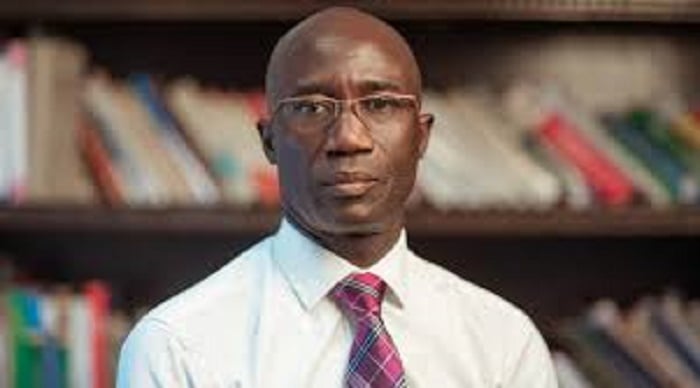
Me Moussa Sarr Takes on Justice Ministry Amid Senegal’s Political Crossroads
As Senegal navigates a critical phase marked by both institutional expectations and political friction, the appointment of Me Moussa Sarr as Minister of Justice introduces a pivotal dynamic. With a career spanning over two decades in high-stakes legal practice, his new role demands a delicate balance between judicial rigor and political pragmatism.
From Legal Expertise to Political Hot Seat
The newly appointed Minister of Justice assumes office at a time when accountability and transparency are under intense scrutiny. Senegal’s political landscape has been shaped by recent years of unrest, with unresolved cases from the 2021–2024 period continuing to fuel public debate. Me Moussa Sarr, a seasoned advocate with deep expertise in economic criminal law, banking, real estate, and public business law, brings a technical skill set to a ministry tasked with navigating complex judicial terrain.
His professional background includes teaching roles in higher education institutions in Dakar, reinforcing his reputation as both a practitioner and an academic voice in Senegalese legal circles. Yet, his appointment arrives amid broader tensions within the executive branch, particularly regarding the direction of accountability measures and the management of politically sensitive cases.
A Ministry Caught Between Rigor and Caution
The Justice portfolio has become a flashpoint in Senegal’s ongoing political discourse. Two competing approaches now define the debate: one favoring swift, stringent sanctions for public fund mismanagement, and another emphasizing procedural caution to prevent judicial overreach or political manipulation. Me Moussa Sarr’s leadership will be tested in defining how Senegal reconciles these competing priorities while maintaining public trust in its institutions.
One of the most pressing challenges he faces is the management of cases arising from the political unrest between March 2021 and February 2024. Despite the passage of an amnesty law in March 2024, questions persist about the adequacy of legal responses. Victim advocacy groups and civil society organizations continue to demand justice, creating pressure on the new minister to deliver both closure and accountability.
Navigating Political Divides
The appointment has not been without controversy. Tensions between the head of state and key political figures, including former Prime Minister Ousmane Sonko, have cast a shadow over the transition. While Sonko has publicly acknowledged the minister’s competence, his reservations about the government’s approach to accountability suggest deeper disagreements on how to address past grievances without destabilizing the country’s institutions.
As Me Moussa Sarr steps into this high-stakes role, his decisions will resonate far beyond the courtroom. Every ruling, every procedural move, and every stance on accountability will be scrutinized—not only by legal experts but by a public that expects both justice and stability. The road ahead is fraught with challenges, but it is also an opportunity to redefine how Senegal upholds the rule of law in an era of heightened political expectations.