why Félix Tshisekedi changed course: the push for an inclusive national dialogue in DRC
President Félix Tshisekedi of the Democratic Republic of the Congo (DRC) has finally given the green light to a long-awaited inclusive national dialogue. The decision follows a meeting with religious leaders in Kinshasa, marking a significant shift in the country’s political dynamics.
Yet, the road ahead remains complex. For this initiative to take shape, the head of state must issue an official decree, appoint facilitators, define their mandates, and set both a timeline and a structured framework for discussions. The move comes after more than a year of mounting pressure from opposition groups and civil society.
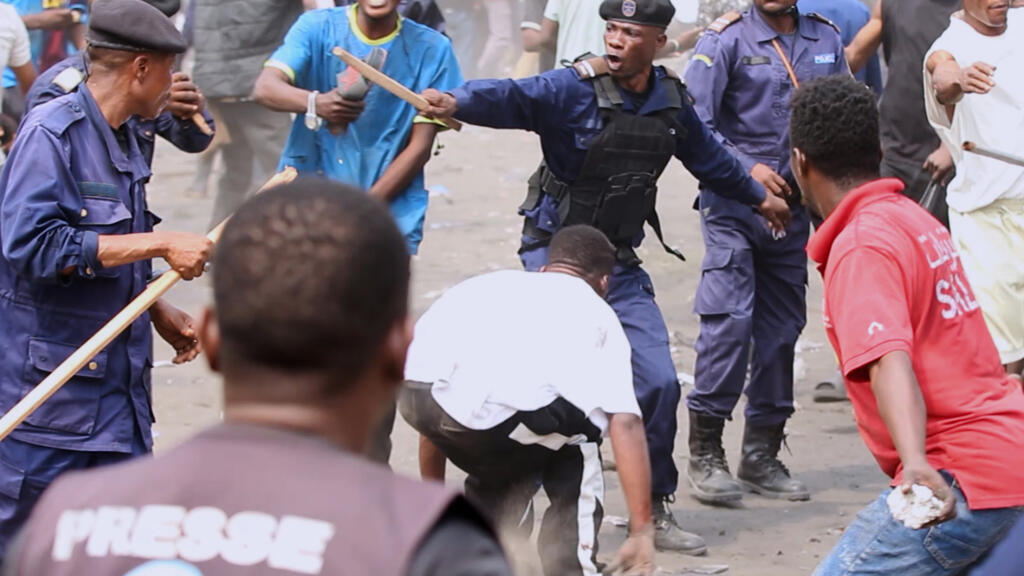
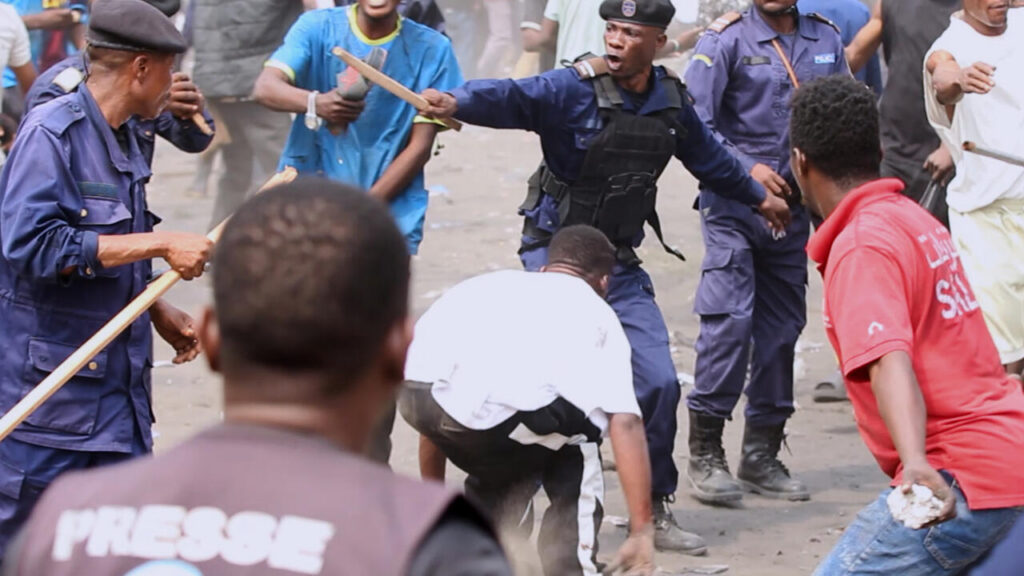
The opposition coalition C64 had planned a major protest for July 22 but agreed to postpone it in response to Tshisekedi’s announcement. However, the coalition is not waiting indefinitely: it has set an ultimatum until August 15, giving the president a strict deadline to formally launch the dialogue. The question now is whether this timeline is realistic.
what prompted Félix Tshisekedi’s sudden shift?
Several factors likely influenced the president’s decision. First, the persistent calls from civil society and opposition groups for a more inclusive political process have intensified over the past year. Second, the engagement of religious leaders—who hold significant moral authority in the DRC—appears to have played a decisive role in persuading Tshisekedi to reconsider his stance.
Third, the looming threat of mass protests and the potential for escalating tensions may have convinced the government that dialogue is a necessary step to de-escalate the crisis. By opening the door to negotiations, Tshisekedi may be seeking to regain control of the political narrative and prevent further destabilization.
what’s next for the dialogue?
For the dialogue to move from rhetoric to reality, the president must take concrete steps. These include:
- issuing an official decree to formally launch the process;
- appointing credible facilitators who are seen as neutral and impartial;
- defining clear mandates for all participants;
- establishing a realistic timeline for the discussions;
- setting a structured framework that ensures transparency and inclusivity.
The success of this initiative will depend on whether the government is willing to make meaningful concessions and whether the opposition and civil society groups are prepared to engage in good faith. If the dialogue remains a symbolic gesture, public skepticism—and the risk of renewed unrest—will only grow.
The coming weeks will be critical in determining whether Tshisekedi’s decision leads to genuine progress or becomes yet another unfulfilled promise in the DRC’s turbulent political landscape.