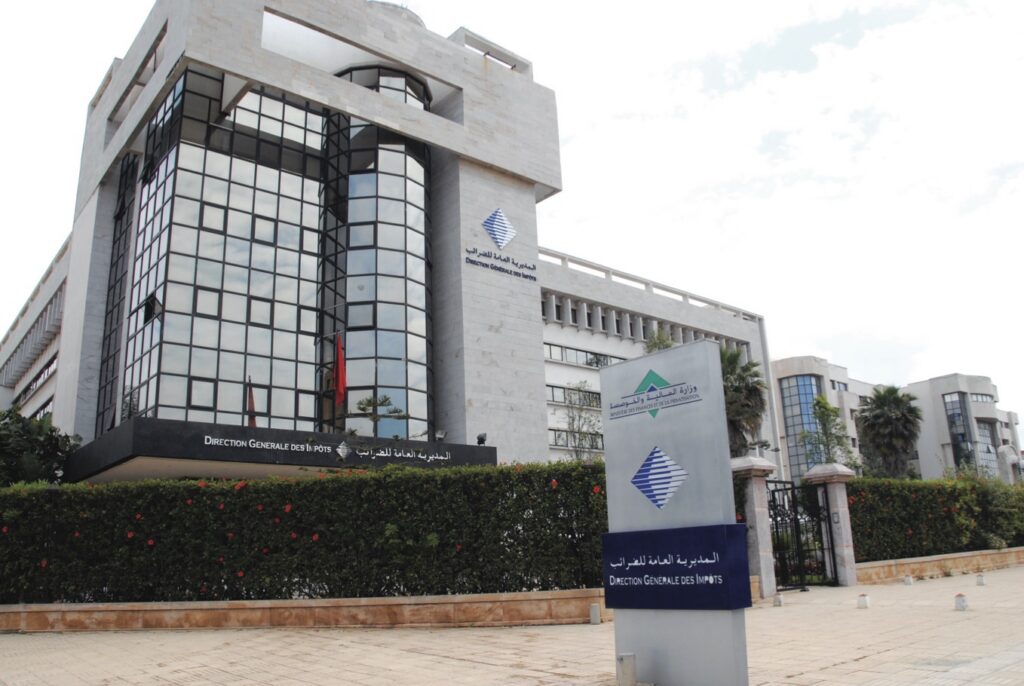
Digital platforms like Meta, X, Instagram, and TikTok, along with services such as Netflix, Spotify, and Airbnb, have become inseparable from our daily existence. These entities are no longer merely social hubs or entertainment outlets; they have evolved into unprecedented economic engines that often operate outside traditional state regulations. In Morocco, this shift has reached a critical turning point. As of June 11, 2026, the General Tax Directorate (DGI) has officially launched its taxation platform for digital services, ending years of fiscal ambiguity.
The concept of virtual activity generating tangible economic value is now a proven reality. Economic theories, such as those proposed by Nobel laureate Paul Romer, suggest that technical progress is a rational economic outcome rather than a random occurrence. Social networks, born in global research hubs like Silicon Valley and Harvard, perfectly illustrate this. They were built and deployed specifically because they offered immense profitability.
The scale of this digital dominance is staggering. Statistics indicate that over 36.5% of all time spent online is dedicated to social media. While many users engage with these platforms to stay connected with family or find information, the underlying business model is driven by advertising, which accounts for roughly 85% of their total revenue. This financial stream continues to expand rapidly.
Businesses of all sizes have recognized the power of this digital storefront. Globally, 90% of companies using social media report significant benefits. The influencer marketing sector alone reached a value of $16.4 billion in 2022, a twenty-fold increase since 2015. This growth is fueled by high engagement rates that far exceed traditional brand content.
The digital landscape in Morocco
Morocco is a major player in this digital revolution. With 23.8 million social media users—representing 63.4% of the population—the Kingdom is a massive market. In early 2022, YouTube reached 21.5 million users, while Facebook Messenger and TikTok saw millions of active participants. These figures represent more than just data; they are vast audiences that serve as goldmines for modern entrepreneurs. Digital transactions have become an unavoidable economic reality, and any business seeking growth must establish a presence on these essential commercial channels.
Investment trends confirm this shift. Digital budgets now represent nearly 17% of total marketing expenditures for Moroccan companies. However, a significant portion of this financial flow has historically bypassed the national economy, creating a fiscal imbalance.
Addressing the fiscal paradox of tech giants
The current situation presents a difficult challenge for local players. Local news sites and digital creators find themselves overshadowed by tech giants like Google and Meta, which control between 60% and 70% of the online advertising market. Despite generating billions in global profits, these entities previously paid no taxes in Morocco.
While social networks operate in a virtual space, they represent a very real economy. Because these corporations lack a physical presence in Morocco, the state has historically lacked the oversight needed to regulate them or capture tax revenue. When a Moroccan company buys advertising on these platforms, they pay in foreign currency, leading to a significant outflow of capital that does not return to the local economy. This fiscal “black hole” has long been a concern for national authorities.
For years, local stakeholders have called for a more level playing field. There is a pressing need for domestic editors to collaborate and offer competitive technological platforms that can rival global giants. Some have even suggested reinventing business models to ensure that local digital content remains viable in the face of international competition.
A new era: VAT on digital services
The fiscal vacuum finally closed on June 11, 2026, with the introduction of the “Taxation on Digital Services” platform via the SIMPL portal. Under this new framework, foreign digital service providers—including Google, Meta, Netflix, Spotify, Airbnb, and Uber—must now declare their Moroccan turnover and pay the applicable VAT. This regulation, established by a decree published in late 2025, mandates that these companies register for a tax ID and submit quarterly turnover declarations.
This move signals a strong political and economic stance. Morocco joins approximately thirty other nations that have implemented taxes on digital giants, aligning with international standards. Experts suggest that fully digitizing the economy in the MENA region could significantly boost GDP per capita over the next few decades and reduce unemployment.
The implementation of VAT on foreign digital services is not an isolated event but a move toward global standards already seen in the European Union and South Africa. Beyond the projected tax revenue—estimated between 500 million and 1 billion dirhams—the true objective is correcting a historical competitive disadvantage. For years, local startups and media outlets were taxed from their first dirham of revenue, while global giants enjoyed a 20% competitive edge. This reform is vital for safeguarding local innovation and ensuring fair competition.
Sovereignty and the future of the digital model
Taxing these giants is about more than just revenue; it is a matter of economic sovereignty. These platforms control data, algorithms, and consumer habits that have largely remained outside national oversight. By requiring these entities to declare their activities, Morocco can begin to curb the outflow of foreign currency and keep more value within its borders.
However, the success of this law depends on a sophisticated technological infrastructure. To accurately track and tax these invisible value flows, the state must utilize advanced data analysis and coordinate with banking and telecommunications sectors. This transition represents an opportunity for the tax administration to modernize into a “4.0” system.
The road ahead remains complex. Global tech giants possess the resources to challenge new regulations, and a digital platform alone cannot bridge the gap between local players and international titans. Moving forward, Moroccan digital actors must continue to pool their resources to remain competitive in this evolving landscape.