
As diplomatic efforts to resolve the decades-long dispute over the Western Sahara stall, Morocco is forging ahead with its ambitious regionalization plan, aiming to reshape governance across its southern provinces.
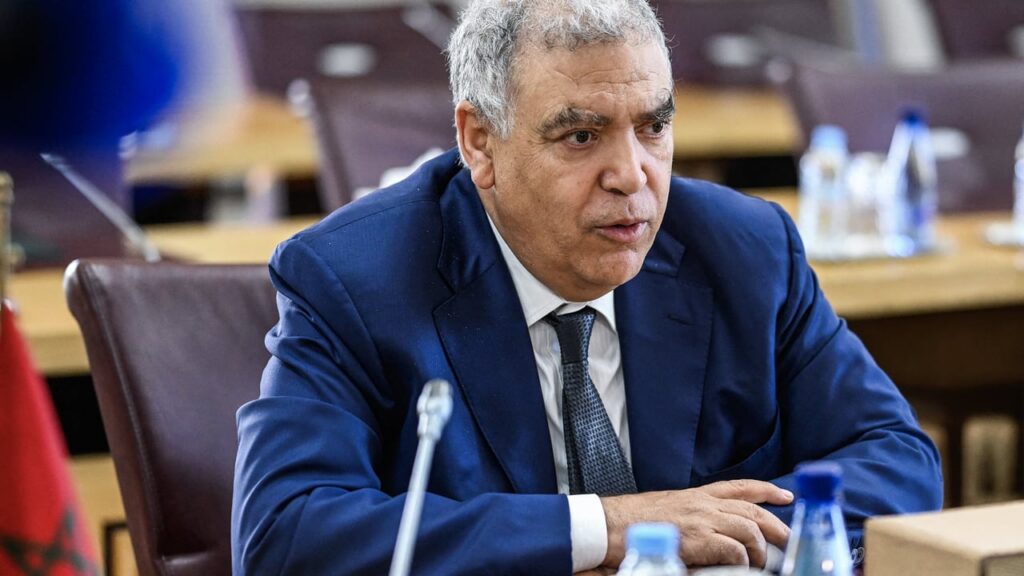
In a bold move signaling its commitment to decentralization, the Moroccan government has introduced a new legislative framework designed to empower local communities. The initiative, championed by Interior Minister Abdelouafi Laftit, seeks to strengthen administrative autonomy while maintaining national cohesion.
a strategic shift in governance
The proposed regionalization law, presented in April 2025, outlines a decentralized administration model that grants greater fiscal and decision-making authority to local authorities. This approach reflects a broader vision to modernize Morocco’s governance structure and address long-standing regional disparities.
Critics argue that the plan could further entrench Morocco’s position on the Western Sahara issue by reinforcing its control over the territory. Supporters, however, see it as a pragmatic step toward stability and development in the region.
regionalization and the western Sahara question
The timing of this initiative has drawn international attention, particularly from observers tracking the stalled negotiations between Morocco and the Polisario Front, which has long advocated for an independent state in Western Sahara. While the regionalization plan does not directly address sovereignty claims, it underscores Morocco’s determination to consolidate its territorial integrity through administrative reforms.
Under the new framework, local councils in southern provinces—including those within the disputed territory—would gain enhanced responsibilities in areas such as infrastructure, education, and economic development. This decentralization effort aligns with Morocco’s broader strategy to present a vision of progress and self-governance in the region.
challenges and expectations
The success of the regionalization plan hinges on several factors, including public acceptance and effective implementation. Skeptics question whether the reforms will truly empower local communities or merely serve as a symbolic gesture to bolster Morocco’s diplomatic stance.
Meanwhile, the Moroccan government has emphasized the plan’s potential to foster economic growth and improve living standards in the south. By devolving authority to regional bodies, officials hope to create a more responsive and accountable governance system.
As Morocco advances with its regionalization agenda, the international community watches closely, weighing the implications for the Western Sahara conflict and the broader geopolitical landscape of North Africa.