
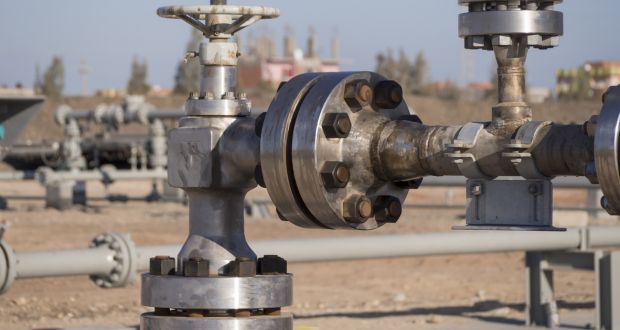
Morocco is ramping up efforts to secure the necessary funding for the Atlantic African Gas Pipeline (AAGP), a monumental energy infrastructure project developed in collaboration with Nigeria. Rabat has initiated discussions with the United States Export-Import Bank (US Exim Bank) and the World Bank to mobilize a total of $26 billion in financing, according to Ambassador Youssef Amrani of Morocco to the United States.
The AAGP, also referred to as the Trans-African Gas Pipeline, aims to connect Nigeria’s vast natural gas reserves to Morocco and, eventually, to Europe. This ambitious initiative is poised to transform Africa’s energy landscape, fostering economic growth and energy security across the continent. The pipeline will traverse multiple West African nations, including Benin, Togo, Ghana, Côte d’Ivoire, Liberia, Sierra Leone, Guinea, Guinea-Bissau, Gambia, Senegal, and Mauritania, before reaching Morocco.
Rabat’s strategic outreach to international financial institutions underscores the project’s scale and significance. The US Exim Bank and the World Bank are expected to play pivotal roles in bridging the funding gap, given their expertise in large-scale infrastructure financing. The $26 billion funding will cover construction, engineering, and operational costs, ensuring the pipeline’s long-term viability and sustainability.
Morocco’s proactive approach highlights the country’s commitment to positioning itself as a regional energy hub. By facilitating the transport of Nigerian gas, the project will not only enhance energy access for Moroccan industries and households but also create job opportunities and stimulate local economies along the pipeline’s route. Additionally, the pipeline is expected to bolster energy exports to Europe, strengthening Africa’s role in the global energy market.
Negotiations are currently underway to finalize the terms of financing, with both institutions showing keen interest in supporting the initiative. The successful mobilization of funds will mark a critical milestone in the realization of this transformative project, paving the way for a more interconnected and energy-secure Africa.
More Stories
Niger three years of military rule deepens crisis for citizens
Tchad se retire de la Cour pénale internationale
Dakar and algiers strengthen strategic hydrocarbon partnership