
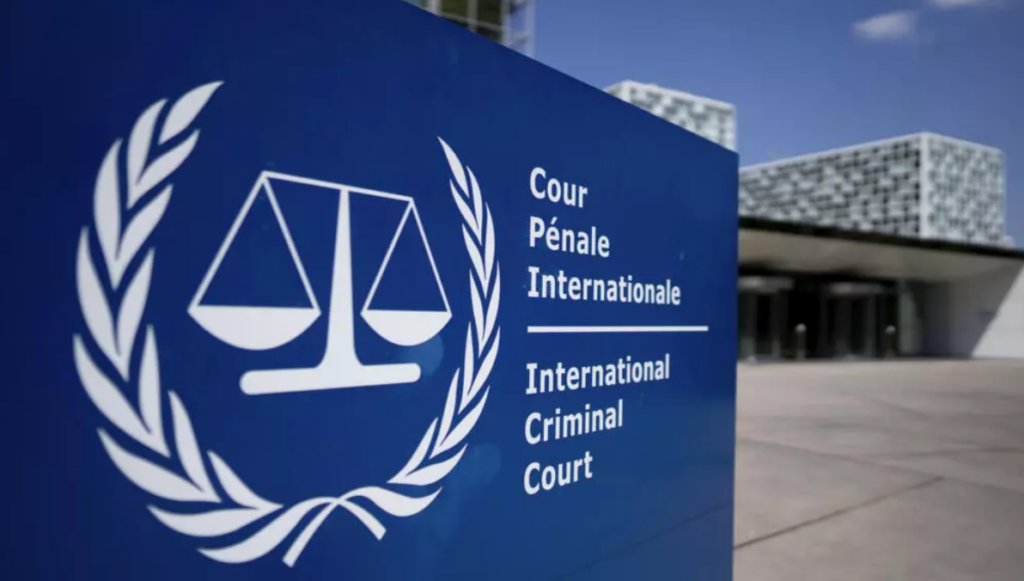
Chad’s bold move: severing ties with the ICC
In a historic diplomatic move, the government of Chad has formally initiated its withdrawal from the International Criminal Court (ICC), notifying the United Nations Secretary-General of its decision. The announcement, made on July 27, underscores a growing discontent with the court’s perceived bias against African and Global South nations, with N’Djamena denouncing what it calls the politicization of international justice.
A fractured alliance with global justice
The withdrawal process is now underway, following the submission of a formal letter to the UN headquarters in New York. Chad’s leadership has made its position clear: the ICC, they argue, suffers from geographical imbalances in its prosecutions, focusing disproportionately on leaders from African nations while overlooking similar atrocities elsewhere. This stance aligns with a broader trend among several African states, which increasingly view the court as an extension of Western geopolitical influence rather than an impartial arbiter of justice.
The 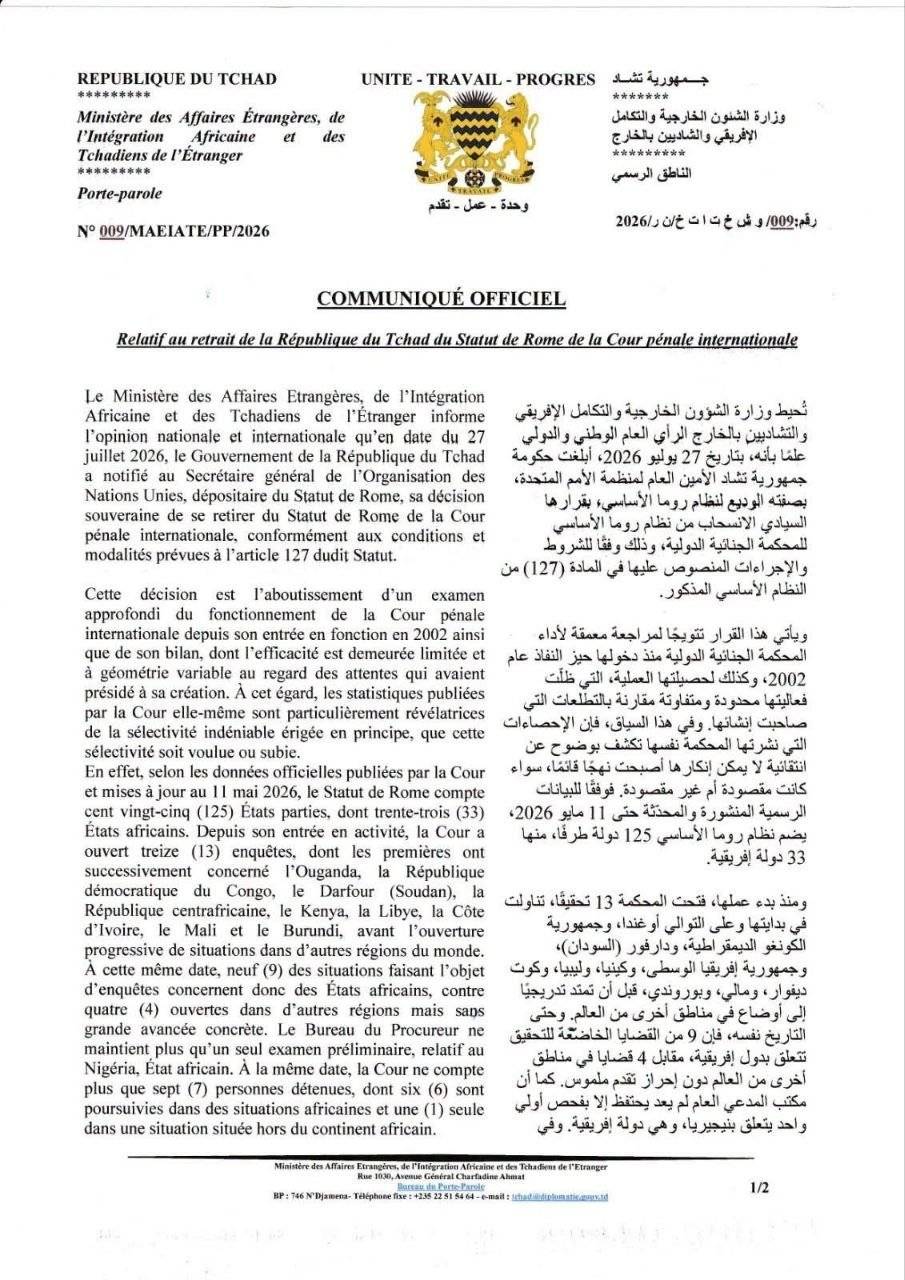 and
and 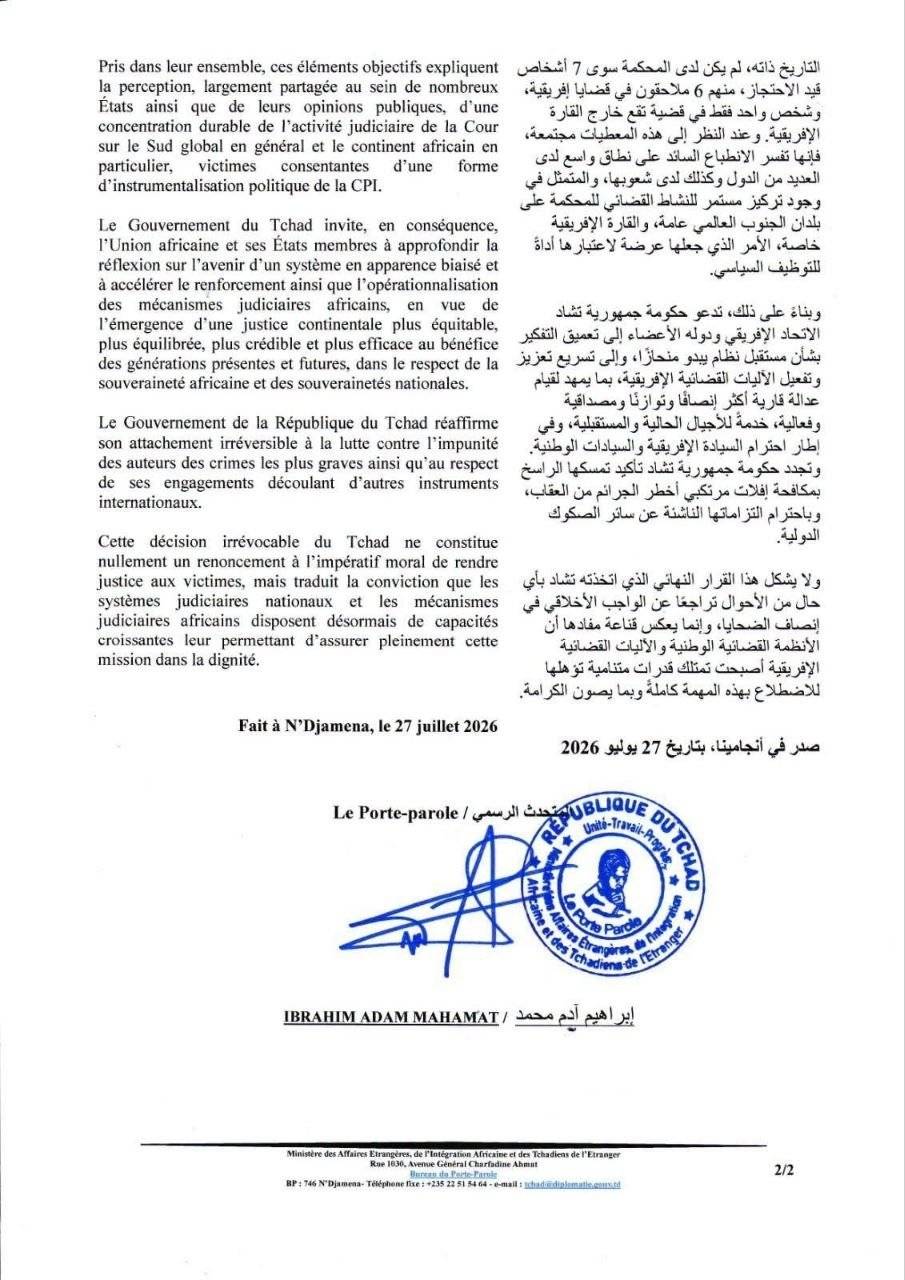 images capture the gravity of the moment, reflecting the nation’s shifting stance on international justice.
What does this mean for Chadians?
The decision carries profound consequences for the country’s citizens, particularly those who rely on the ICC as a last resort for justice. Under the principle of subsidiarity, the ICC only intervenes when national courts fail to act. By withdrawing from the Rome Statute, Chad removes this safeguard, leaving victims of war crimes, crimes against humanity, and genocide with no recourse to an independent international tribunal.
The end of a critical safety net
For decades, the ICC has served as a deterrent against impunity, offering protection to marginalized communities. Now, the burden shifts entirely to Chad’s judiciary, raising concerns about its capacity to deliver fair and impartial rulings. Human rights organizations warn that without external oversight, political interference could undermine justice, leaving perpetrators unaccountable.
Will local courts rise to the challenge?
The government asserts that Chad’s judicial system is fully equipped to handle its own cases, emphasizing the need to strengthen national institutions. However, achieving this will require significant reforms, including:
- Increased funding and resources for courts
- Stronger guarantees of judicial independence
- Enhanced protections for witnesses and victims
The one-year transition period outlined in the Rome Statute—during which the ICC retains jurisdiction over pre-withdrawal crimes—will be critical. Yet, cooperation from Chad may wane, complicating efforts to hold perpetrators accountable.
A region watching closely
The move places Chad at the center of a broader debate on sovereignty versus international accountability. While some African leaders applaud the push for self-determination, others fear the consequences. Western partners and financial donors often tie aid to human rights commitments, and investors may hesitate to engage in a country where legal recourse is uncertain. Meanwhile, the African Union remains divided on the issue, with no unified strategy on how to address the ICC’s role.
Justice or impunity: the stakes for Chad
For the victims of past atrocities, the withdrawal offers no immediate relief. Without the ICC’s protective umbrella, documenting abuses and ensuring witness safety becomes far more difficult. Civil society groups fear that impunity will thrive in the absence of external pressure, further eroding public trust in the justice system.
As Chad prepares to navigate this uncharted territory, the true test of its commitment to justice will unfold within its own borders. Will the national judiciary prove its mettle, or will the promise of sovereignty come at the cost of accountability? The coming months will reveal whether this bold diplomatic gamble strengthens the rule of law—or leaves it in tatters.


More Stories
Niger : ce que les remaniements militaires disent des tensions au sommet du pouvoir
Togo’s enduring power question: Faure Gnassingbé and the shifting architecture of rule
Educational decay overshadows symbolic cartography in Togo