
From hope to hardship: Niger’s unresolved crisis after three years of junta rule
The Nigerien population has spent three years under the weight of a political, economic, and security stalemate since the military takeover in July 2023. Once hailed as a historic turning point to restore national sovereignty, the coup was also supposed to revive security, boost the economy, and strengthen national unity. Yet as the third anniversary approaches, none of these promises have materialized, leaving daily life for Nigeriens increasingly strained.
The government still champions its narrative of restored sovereignty and severed ties with Western allies, but much of the population is grappling with worsening living conditions. Persistent diplomatic isolation, regional tensions, and a faltering economy continue to deepen uncertainty across the country, where multiple challenges converge.
An economy under strain and daily life in decline
The economic fallout from this period has rippled through nearly every sector.
Trade disruptions with neighboring countries, supply chain breakdowns, early sanctions, and a decline in foreign investment have crippled business activity. Many companies have scaled back operations or shut down entirely, while job opportunities have dwindled. In local markets, households face relentless price increases for food, fuel, and essential goods. For large segments of society, purchasing power continues to erode, making each month harder to endure than the last.
Local governments, traders, and farmers struggle with limited access to financing, restricted credit, and an economic climate steeped in uncertainty. These factors stifle private initiatives and deter new investments, further dampening growth prospects.
Public freedoms shrink under mounting pressure
Beyond economic hardship, human rights organizations warn of a shrinking civic space.
Civil society operates under intense scrutiny, where even mild criticism of authorities can lead to legal repercussions or arrests. Independent media outlets face a growing climate of intimidation and professional restrictions, with journalists reporting increasing obstacles to their work.
Public gatherings are heavily restricted, and political assemblies remain tightly controlled, curtailing opportunities for opposition groups and civic organizations to voice concerns. In response, many citizens choose silence out of caution, while others opt for exile to escape escalating pressures.
Security challenges persist despite new strategies
The military leadership justified its takeover primarily on the need to combat terrorism. Yet despite internal military restructuring and new security partnerships, armed group attacks continue to devastate several regions.
Border communities bear the brunt of violence, facing forced displacements and limited access to basic services. Many villages remain trapped in a cycle of insecurity, disrupting agriculture, education, and economic livelihoods. The ongoing threat raises serious questions about the effectiveness of the regime’s security approach over the past three years.
A leadership struggling to deliver on promises
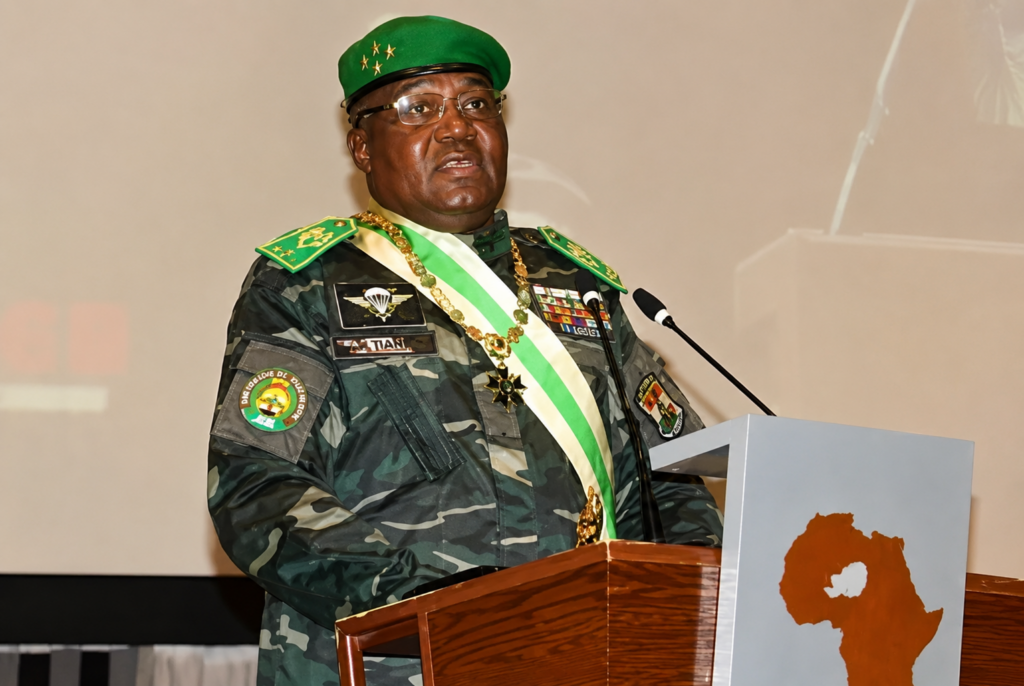
The recent national address by General Abdourahamane Tiani underscored the widening gap between official rhetoric and public expectations.
Rather than outlining concrete measures to address pressing economic or security issues, the junta leader focused extensively on warning of external threats and blaming foreign actors. Analysts interpret this communication style as a sign of the regime’s struggle to demonstrate tangible progress on the core issues that justified its rise to power.
As hardships intensify, public attention is shifting from assigning blame to demanding solutions—both immediate and sustainable.
Political life stifled by prolonged military rule
The extended military governance has coincided with a tightening grip on political life.
With no clear roadmap for a return to civilian rule, concerns grow over the country’s institutional future. Political parties operate within severely limited margins, and public debate remains constrained. The centralization of power under military authorities fuels fears of a long-term drift away from democratic oversight and citizen participation.
Three years on: a reckoning with unmet expectations
Three years after the change in leadership, the hopes raised by the transition have collided with harsh realities. The economy remains fragile, living costs continue to rise, public freedoms face persistent criticism, and insecurity lingers in multiple regions.
For many Nigeriens, the urgency now lies not in political discourse, but in restoring stability, securing livelihoods, and reviving economic prospects. In this climate, calls for accountability, dialogue, and actionable responses to citizens’ concerns grow louder each day.


More Stories
Gabon : Force ouvre sa rentrée associative à Akanda sur des propositions citoyennes
JOJ Dakar 2026 : Diomaye Faye appelle la jeunesse sénégalaise à incarner l’Afrique
Mali: attaque meurtrière contre le camp militaire de Dioura, un lourd tribut payé par l’armée