
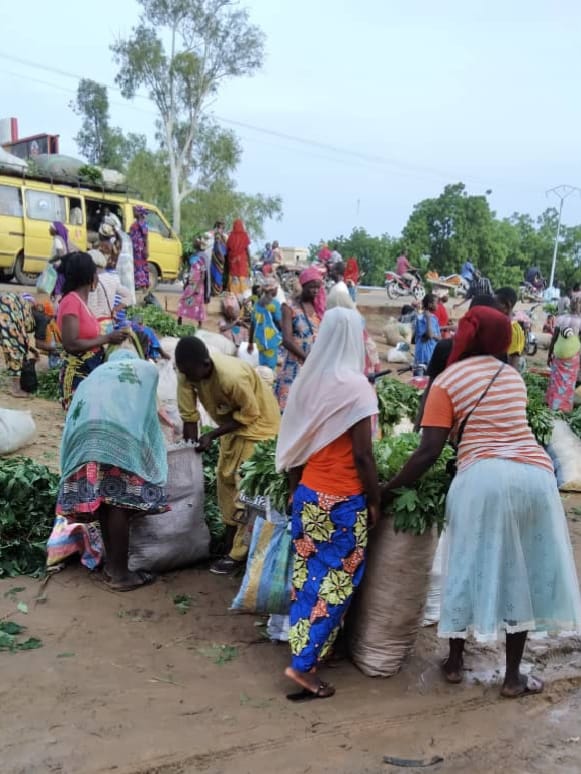
In the heart of Chad’s capital, a bold campaign is unfolding—one that seeks to reclaim N’Djamena’s streets from disorder. The municipal authorities have adopted an uncompromising stance: zero tolerance for illegal street occupations, visible begging, and erratic enforcement by security personnel. The goal? To restore public order and modernize the urban landscape. While the drive for a cleaner, more organized city is understandable, the deeper challenge looms large: can such efforts succeed without addressing the root causes of urban chaos?
When survival dictates street life
At first glance, the crackdown appears justified. A city cannot thrive in chaos, and the push for a structured urban environment is both logical and necessary. Yet beneath the surface of these enforcement measures lies a harsh reality—one that transcends mere rule-breaking. For countless residents, the streets of N’Djamena are not just a stage for disorder; they are a lifeline. Informal vendors, beggars, and unemployed youth don’t occupy public spaces out of defiance. They do so out of necessity.
This dynamic exposes a critical flaw in the current approach. Aggressive enforcement, without viable alternatives, only relocates the problem rather than resolving it. Clearing streets of unauthorized vendors without providing economic alternatives, or tightening controls without social support, treats symptoms rather than the disease. The result? A cycle of displacement and recurrence, where order is temporary and superficial.
A city’s future hinges on inclusive solutions
The path to sustainable urban order in N’Djamena demands more than just policing. It requires a holistic strategy that intertwines security with social and economic development. A truly modern city is built not only through clean-up campaigns or public discipline drives, but through the creation of opportunities. This means regulating the informal sector, fostering job creation, and ensuring vulnerable populations have access to resources and support.
Zero tolerance may project an image of control, but without inclusion, that control is fragile. Poverty doesn’t vanish under enforcement—it merely adapts. As long as systemic poverty persists, the streets will remain a refuge for those left behind.
The real question facing N’Djamena isn’t how to eliminate urban disorder. It’s how to transform the social conditions that make it inevitable. Until then, the city’s fight for order will remain an uphill battle—one that demands bold, inclusive solutions over short-term fixes.



More Stories
Niger: Tiani faces fallout from special forces anger after Russian intervention
Crisis in Niger, IMF agreement in Sénégal, and Moroccan elections: Five essential stories
RDC-Israël : un rapprochement aux enjeux multiples