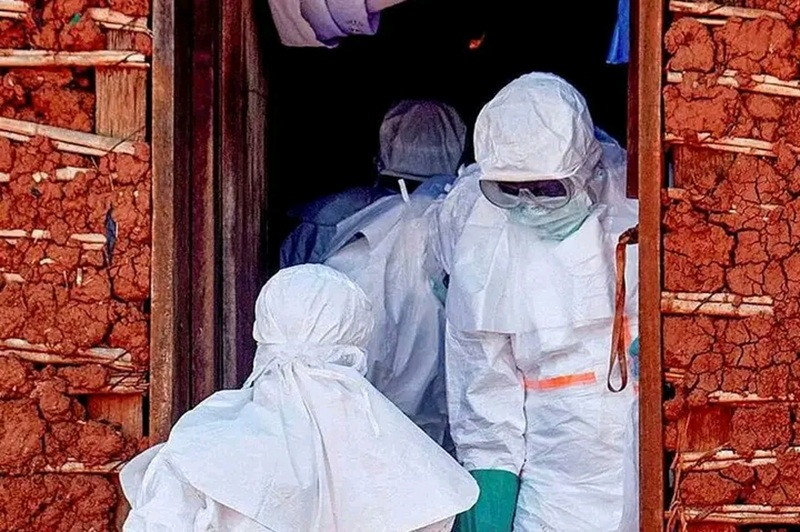
The government of the Democratic Republic of Congo has officially launched a significant reinforcement of its Ebola virus response strategy. This decisive action comes in the wake of a confirmed case in France involving a humanitarian doctor who had recently served in an epidemic-affected region within the RDC.
National authorities have described the current situation as a serious health warning, prompting immediate efforts to block any transmission chains that could cross domestic or international borders. This proactive stance aligns with global health security protocols to ensure maximum prevention.
Strict 21-day quarantine for travelers from high-risk zones
The cornerstone of this new health directive involves the movement of individuals coming from Ebola-affected areas. Anyone who has spent time in an epidemic hotspot is now required to undergo a mandatory 21-day isolation period, which corresponds to the maximum incubation timeframe of the virus.
This quarantine measure is being applied to both internal transit and international departures. Health officials state that the goal is to eliminate the possibility of silent transmission and to improve the monitoring of suspected cases, particularly those who do not display symptoms immediately.
The Ministry of Health emphasizes that this strategy is rooted in a high-precaution approach, recognizing that global mobility can rapidly accelerate the spread of highly infectious diseases.
International concern following the case in France
The updated measures follow an announcement from French health authorities regarding a doctor who tested positive for Ebola after working in an affected zone in the RDC. The patient was placed in isolation as soon as the virus was identified, and an epidemiological investigation was launched.
Initial reports indicate that the physician was asymptomatic during the journey from the province of Ituri to Kinshasa before flying out of the country. This specific case highlights the persistent challenge of detecting the virus during the pre-symptomatic phase, even with existing screening protocols at points of entry.
In response, emergency protocols have been activated in France to trace contacts, though the current risk to the general public there is considered low but under close watch.
Cooperation between RDC and France for contact tracing
In a spirit of international transparency, Kinshasa has formally engaged with French health officials to exchange travel data and medical records regarding the infected individual. This partnership is vital for identifying all potential contacts on Congolese soil and strengthening the epidemiological tracking chain.
This collaboration is conducted under the framework of the International Health Regulations, which mandate state cooperation during transboundary health threats. The Congolese government has stressed the importance of rapid, structured information sharing to prevent any secondary outbreaks.
Intensified national response and community surveillance
On the ground, the health response is being scaled up in impacted provinces, particularly in Ituri. Medical teams are currently deployed to enhance community-based surveillance, manage suspected cases, and lead local awareness campaigns.
Enhanced health screenings are also being implemented at strategic transit points, including major airports and transport hubs, to monitor and manage movement more effectively. The government is calling upon community leaders and civil society to play a central role in educating the public about symptoms and preventative hygiene.
Authorities reminded the public that the success of the fight against Ebola depends on community trust and the swift reporting of suspected cases. Citizens are urged to support health teams and avoid the stigmatization of those affected.
With the World Health Organization monitoring the situation closely, the RDC remains on high alert, committed to containing the epidemic and preventing its spread beyond national borders.


More Stories
Burkina Faso’s shrinking public payroll: a household burden as schools reopen
Simporé’s televised admission: can Burkina Faso’s army still hold the line?
Gabon’s ghost worker purge: can 11 billion CFA francs in savings really reach the people?