
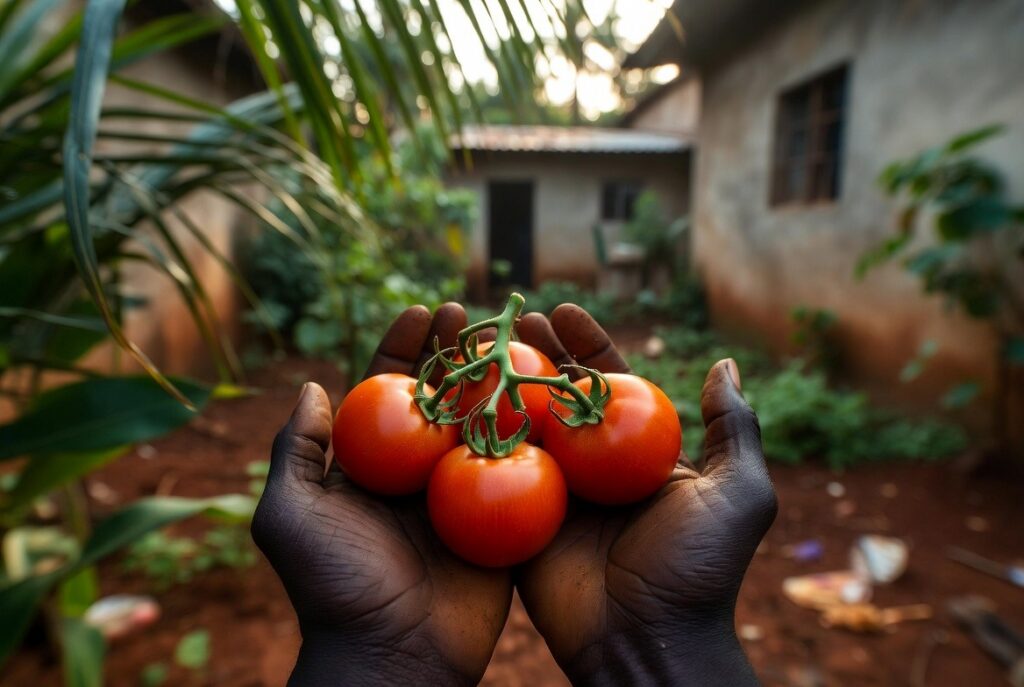
In Niamey, households are grappling with a sharp rise in the cost of essential vegetables, revealing deep-rooted structural weaknesses in agricultural planning and government inaction. By late July 2026, the price of staples like tomatoes and cabbages has skyrocketed, pushing vulnerable families into daily food insecurity.
The seasonal shift from local harvests to imports from neighboring countries—Bénin, Nigeria, and Ghana—is a recurring pattern. Yet this year’s price surge underscores a critical issue: it’s not the climate at fault, but the failure to plan strategically and act decisively.
Why predictable crises spiral into full-blown shortages
Every dry season, Niger exports its surplus produce, only to become entirely reliant on subregional harvests during the rainy season. This cyclical vulnerability stems from persistent neglect:
- Lack of storage infrastructure: Without adequate cold storage facilities, surplus local production from earlier months cannot be preserved to stabilize supply year-round.
- Minimal local processing: The absence of industrial or semi-industrial processing units means no strategic reserves can be built, particularly for tomatoes.
- Overreliance on seasonal farming: National production remains at the mercy of natural cycles instead of being bolstered by modern hydro-agricultural systems capable of sustaining year-long output.
What should be a manageable logistical transition instead becomes a purchasing power crisis due to shortsightedness and long-term neglect.
Government silence amplifies consumer distress
The inflationary pressure disproportionately affects low-income households, yet authorities have remained conspicuously silent. Despite documented wholesale price hikes—such as a 35,000 FCFA basket of Nigerian tomatoes or a 25,000 FCFA cabbage—no emergency measures or official statements have been issued to:
- Curb speculative margins in wholesale and retail markets.
- Introduce targeted subsidies or mitigation mechanisms for vulnerable consumers.
- Present a clear roadmap to prevent a repeat of this crisis in future seasons.
The lack of action suggests resignation to cross-border market dynamics, leaving families to bear the brunt of rising costs alone.
A cycle of dependency fueled by political inertia
Niger’s growing dependence on imports is no accident—it reflects a chronic inability to develop a reliable agricultural strategy. The current leadership, including President Mohamed Bazoum, faces mounting pressure to abandon passive approaches and implement a robust vegetable farming policy. Unless decisive steps are taken, this pattern of scarcity will endure, undermining food security across the capital and beyond.




More Stories
Niger: Tiani faces fallout from special forces anger after Russian intervention
Niger’s democracy crisis: why military rule fails and civilian governance offers hope
Niger faces internal military rebellion amid power struggles