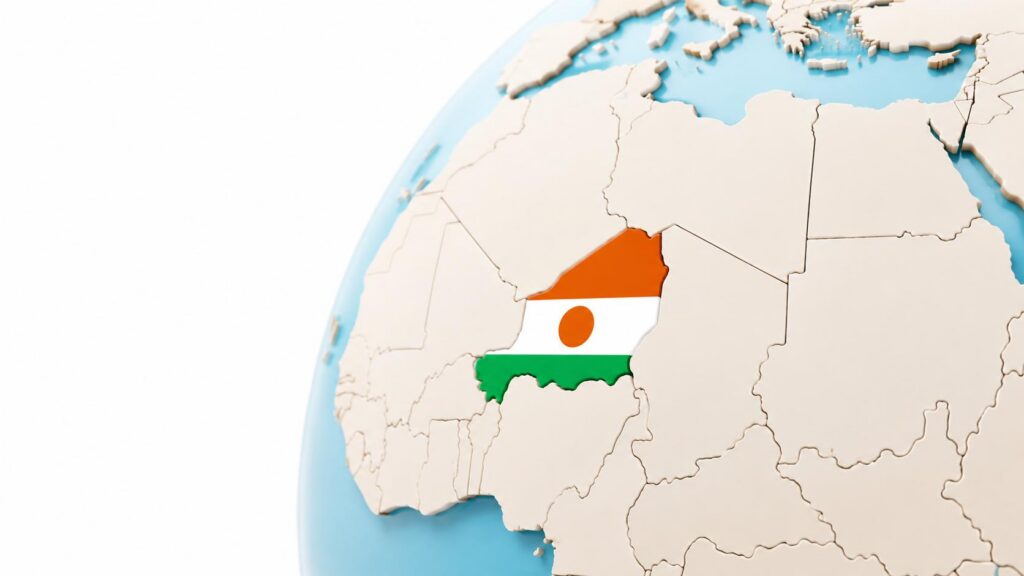
The political journey of Niger over the past five decades reads like a tragic cycle of recurring setbacks. From the overthrow of Hamani Diori in 1974 to the gunfire that erupted in Niamey on August 29, 2026, and the eras marked by Baré Maïnassara and Salou Djibo, the nation has repeatedly turned to the clamor of boots as a supposed remedy for its crises. Yet, half a century of military instability has yielded an undeniable verdict: no coup d’état has ever delivered lasting solutions for development, national unity, or security.
Each military junta seizes power under the pretense of being a temporary savior, vowing to restore national dignity. In practice, however, these transitions drag on, grow isolated, and sow the seeds of their own downfall. Recent events do more than echo history—they confirm a hard truth: the current deadlock is not a fluke but the natural outcome of a cycle built on military solutions.
Why the illusion of ‘strong leadership’ leads to ruin
The fundamental flaw in the political culture of coups lies in the misguided belief that brute force equals stability. In reality, when power is wrested from constitutional order:
- The military abandons its republican duty: Once embroiled in politics, the armed forces fracture into rival factions. Instead of focusing on border security and counterterrorism, high command wastes resources monitoring barracks and suppressing internal threats.
- Sovereignty becomes a hollow promise: Without popular legitimacy or robust institutions, emergency regimes invariably seek external patrons to sustain their rule. Reliance on foreign alliances or mercenary forces merely trades one dependency for another, eroding national cohesion.
- The social contract crumbles: Without checks and balances, an independent judiciary, or a free press, citizens are reduced to passive observers of their own fate. Public disillusionment, initially muted, inevitably fuels fresh uprisings.
Democracy as the only path to enduring stability
In the face of the military trap, democracy is neither a foreign import nor a sign of weakness—it is the only institutional framework capable of resolving crises without spilling blood.
Consider the democratic transition in Niger between 2011 and 2023. Despite immense security and economic hurdles, it marked the first peaceful leadership change in decades. Democracy delivers what guns never can:
- Peaceful power transitions: Contested leaders are replaced at the ballot box, averting mutinies, ambushes, and palace intrigues.
- Global and economic credibility: An elected government anchors sustainable partnerships, attracts investment, and crafts long-term development strategies.
- Restoration of the military’s honor: By returning governance to civilians, the armed forces reclaim their original mission—protecting the nation and its people under a unified, respected command.
A moment of reckoning for Niger
Niger stands at a crossroads. Pursuing the path of armed regimes means condemning the country to an endless spiral of coups, purges, and regional instability.
It is time to close the chapter on military illusions. A nation’s true strength is measured not by the number of tanks parked outside the presidential palace, but by the resilience of its institutions and the trust of its people. Only a bold, unconditional return to democratic principles can break the curse of arms—and guide Niger back to lasting peace.