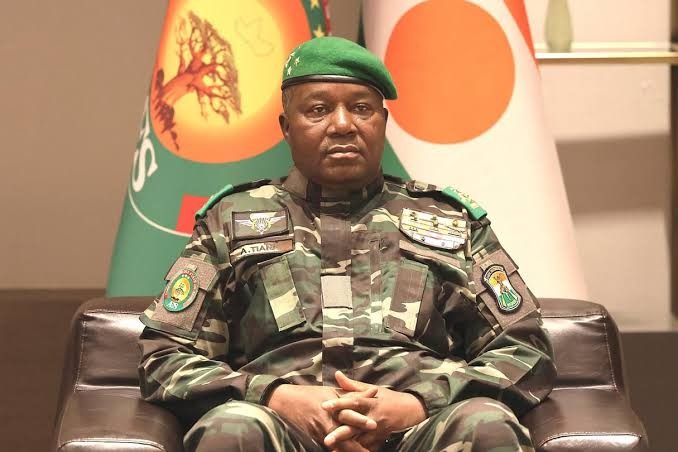
The abrupt decision to freeze fuel prices in Niger has exposed deeper fractures within the ruling military council, revealing more than just economic missteps—it highlights a leadership scrambling to maintain control amid deepening public disillusionment. Far from a populist triumph, the move signals the first major political retreat for General Abdourahamane Tiani since the July 2023 coup, underscoring a regime caught between fiscal collapse and the threat of mass unrest.
From rigid stance to reluctant retreat: the junta’s shifting priorities
The cabinet’s announcement to abandon planned fuel price hikes was met with widespread skepticism, not applause. While advisors urged a ‘measured adjustment’ to ease pressure on the treasury, the CNSP’s volte-face starkly illustrates the widening schisms at the heart of the transitional government. Internal disagreements over fiscal strategy now mirror broader anxieties about the junta’s eroding legitimacy, with even its allies questioning whether the regime can sustain its grip on power.
The social contract unravels as economic mismanagement takes center stage
For months, the military-led administration framed its policies as essential to stabilizing the nation amid security and economic turmoil. Yet the abrupt about-face on fuel prices—once touted as an inevitable adjustment—reveals a distress signal. The retreat betrays a leadership paralyzed by dual fears: the immediate specter of protests erupting across the capital, and the long-term erosion of trust in its ability to govern. Gone is the rhetoric of unshakable resolve; in its place, a regime increasingly guided by crisis management rather than strategic vision.
Artificial stability, real chaos: the hidden costs of price controls
Blocking fuel prices at the pump has done little to address the underlying fissures destabilizing Niger’s economy. Instead, the policy has created a precarious situation where artificial pricing collides with market realities:
- Black markets flourish as shortages persist: Official prices may stay fixed, but shortages in key regions continue to drive up costs on the black market, punishing everyday Nigeriens far more than the intended benefits.
- Strategic resources turned into patronage tools: The delayed—and now indefinitely postponed—audit of the petroleum sector has given way to a revolving door of leadership at the Ministry of Petroleum and the state oil company, SONIDEP. Such instability points to a troubling pattern of clan-based maneuvering over control of vital economic levers.
An unsustainable trajectory: looming food crises and collapsing public trust
The fuel price freeze is more than a misstep—it’s a flashing warning sign of the challenges ahead. With forecasts of severe pastoral and agricultural shortages, runaway energy subsidies, and a security landscape deteriorating by the day, the junta’s temporary fixes are becoming a gateway to a far more dangerous crisis. By punting essential reforms down the road, the regime risks stoking unrest on multiple fronts: economic hardship, eroding public goodwill, and an increasingly volatile regional security environment.
The question isn’t whether Niger will face a reckoning—it’s when. And each day of delay only deepens the costs, both human and political, of this reckoning.