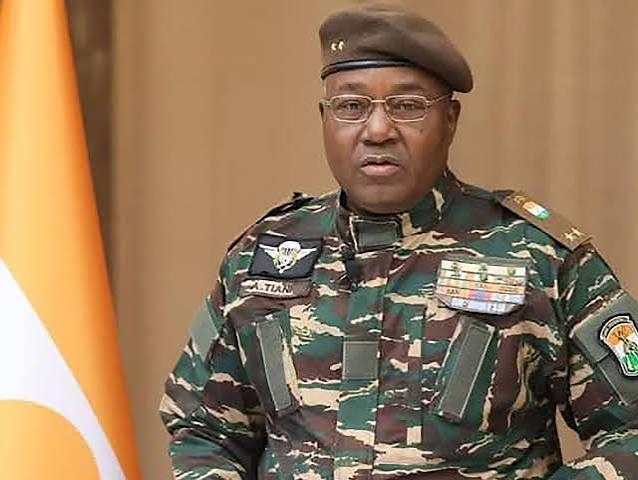
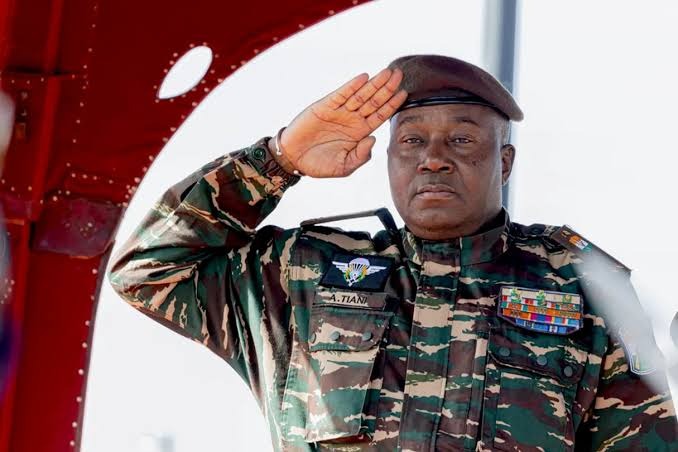
The decree that General Abdourahamane Tiani signed on 15 September 2026 changes far more than the nameplates on ministerial doors. Presented without conviction as a routine “technical reorganisation”, Niger’s first major cabinet reshuffle is already redrawing who controls the country’s farms, its classrooms, its aid flows and its political messaging. The people who will feel the consequences first are ordinary households, small traders and businesses already crushed by a punishing cost-of-living crisis.
Why the 15 September decree reaches the market stall before it reaches the elite
On paper, the new team looks like a fresh start. In practice, the shake-up concentrates strategic levers in military hands while handing rewards to loyal political operators. For families in Niamey and across the regions, the effects show up in ways that are painfully concrete: food prices that keep climbing, universities left without budgets, and displacement sites where support keeps thinning. When political survival becomes the guiding principle of a government, economic decisions are made to reward loyalty rather than deliver results — and that bill is passed straight to the citizen.
From the August mutiny at air base 101 to a cabinet built for control
The timing is no coincidence. This reshuffle follows the August mutiny at air base 101 in Niamey, which shook the regime to its core. After an emergency purge and reorganisation of the military command and the presidential guard, the authorities turned to the political side of their self-defence: closing ranks, paying off allies and bolting the door against dissent.
Agriculture and livestock placed under a colonel
Appointing Colonel Bilaly Elhadj Gambobo to Agriculture and Livestock has little to do with transforming what ends up on Nigerien plates. It is about putting one more uniformed officer over a strategic sector and sidelining officers who had become inconvenient. The consequence for farmers, herders and the traders who live off their output is a sector steered by military priorities instead of transparent civilian management — at a moment when food insecurity is already part of daily life.
A youth ministry handed out as a reward, and a generation left waiting
The arrival of Abdourahamane Oumarou, leader of the UNPP party and one of the loudest voices in the sovereigntist camp, reveals the logic behind the whole operation. He is not being brought in for managerial skill but for his ability to outshout the critics. A loyalist from the very first days after the July 2023 coup, he is handed the Ministry of Youth and Refoundation as payment for services rendered.
Meanwhile, young Nigeriens keep sliding deeper into unemployment and despair. Giving the youth portfolio to a propagandist sends an unmistakable signal: the state is buying the silence of activists and using street-level figures to steer opinion and smother criticism online, rather than building the jobs and training that would genuinely change lives.
Academic cover and the humanitarian bill that follows
To dress up the political bargaining, a few academic names were slipped into the line-up — Professor Mahamadou Saidou at Higher Education and Oumarou Maman at Humanitarian Action. The question citizens are already asking is a practical one. How is Professor Saidou supposed to calm restless universities with no financial means at his disposal? How is Oumarou Maman meant to help war-displaced families when state coffers are empty and international support has been cut?
These technocrats risk becoming human shields: reassuring faces for outside observers and broad shoulders to carry the blame when the system buckles under poverty, shuttered campuses and overcrowded displacement camps.
What families and businesses should brace for
- Steeper food and transport costs, as strategic sectors are run for control rather than output.
- Thinner options for young people, with a youth ministry built around messaging instead of employment.
- Weaker education and humanitarian services as public budgets shrink and outside funding dries up.
- A tougher climate for small businesses, where loyalty rather than competence decides who wins contracts and access.
The bottom line for Niger’s economy
This is neither a strategy nor a plan for the future. It is a desperate patchwork put together by a government under pressure, one that would rather feed its loyal supporters than confront the cost of living, the economic crisis and the expectations of a population kept waiting. Changing the faces around the table will not conceal what is happening to the country’s books — or to the people living with the consequences every single day.
More Stories
Niger’s military regime cuts off information flow—citizens and economy reel from media blackout
Niger’s fuel subsidy burden: SONIDEP faces 28 billion FCFA loss in 2026
Mali : une attaque djihadiste d’une rare violence frappe le camp militaire de Dioura