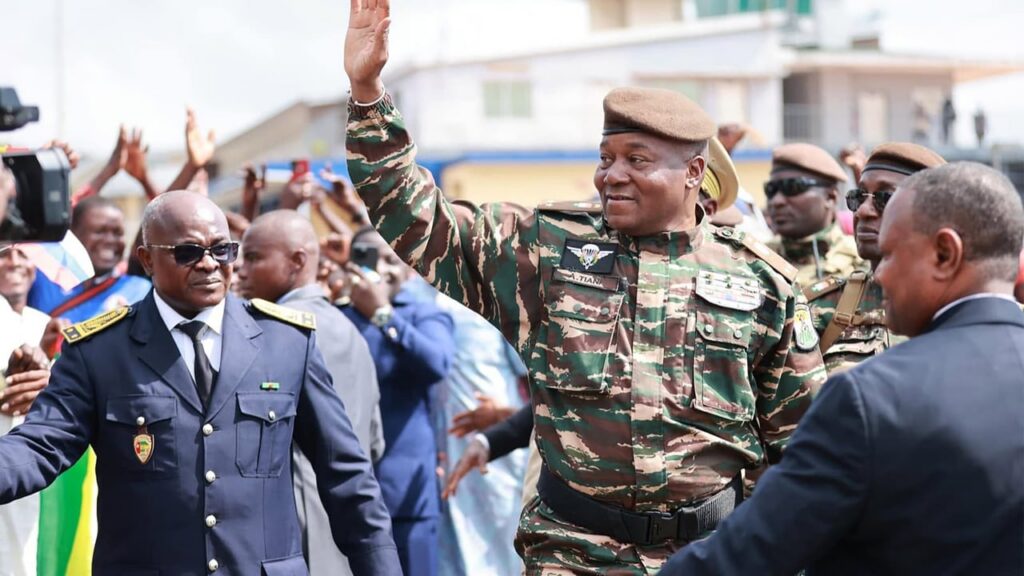
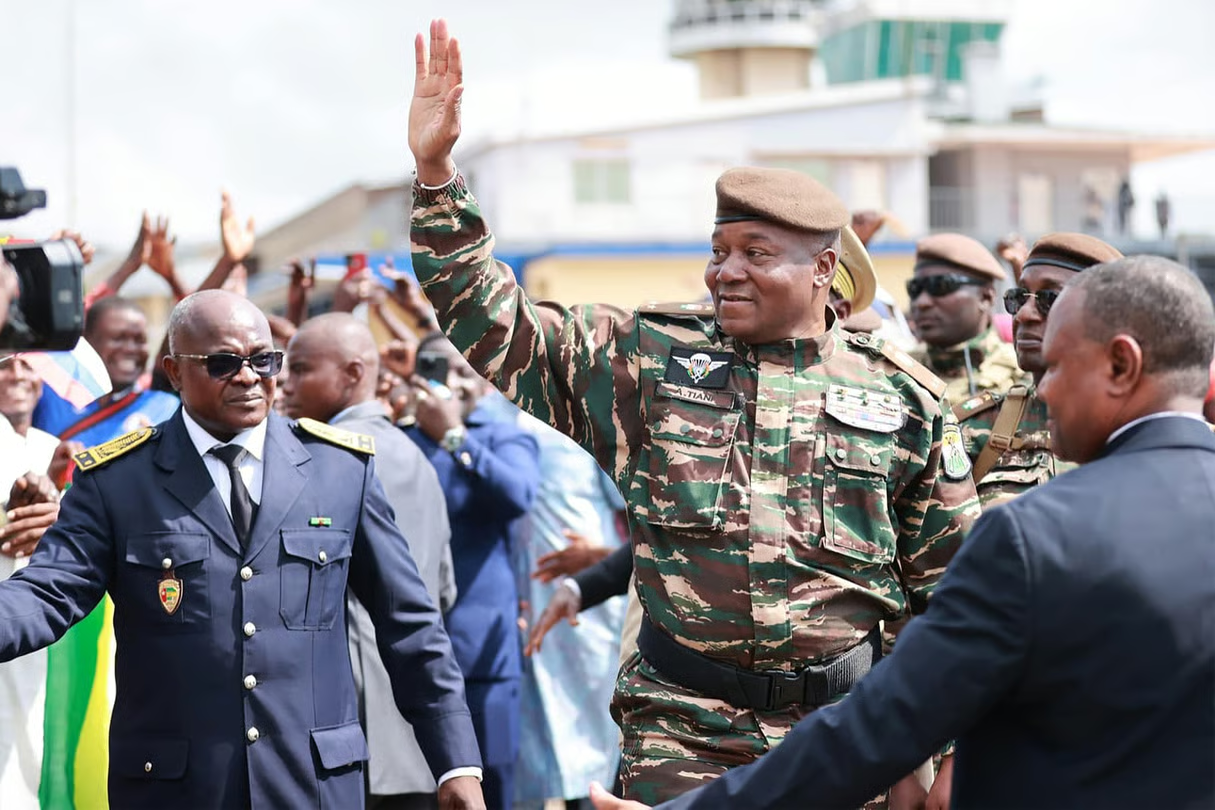
Under the leadership of General Abdourahamane Tiani, Niger is embracing a new era marked by pragmatic decision-making. Since assuming power, the head of state has demonstrated a clear willingness to navigate complex regional challenges with a steady hand, reshaping the nation’s diplomatic and security landscape.
Strategic partnerships take center stage
General Tiani’s administration has prioritized forging alliances that align with Niger’s evolving geopolitical interests. A notable shift has been observed in the country’s engagement with international actors, particularly in the Sahel region, where security cooperation remains critical.
Balancing regional dynamics
The Nigerien leader has skillfully managed relationships with neighboring countries, fostering dialogue while maintaining a firm stance on sovereignty. His approach reflects a deep understanding of the delicate balance required to navigate alliances without compromising national priorities.
Economic resilience amid uncertainty
Amid global economic fluctuations and regional instability, Niger’s government has focused on strengthening domestic resilience. Strategic investments in key sectors, combined with prudent fiscal policies, aim to mitigate external pressures and ensure sustainable growth.
Security as a cornerstone
Security remains a top priority for President Tiani’s administration. Efforts to enhance military cooperation with regional partners, particularly within the Alliance of Sahel States, underscore the government’s commitment to combating terrorism and ensuring stability across the nation.
Looking ahead: challenges and opportunities
As Niger continues to evolve under its current leadership, the path forward demands both caution and bold action. The administration’s pragmatic stance offers a promising framework, but the road to lasting stability will require sustained effort and international support.