
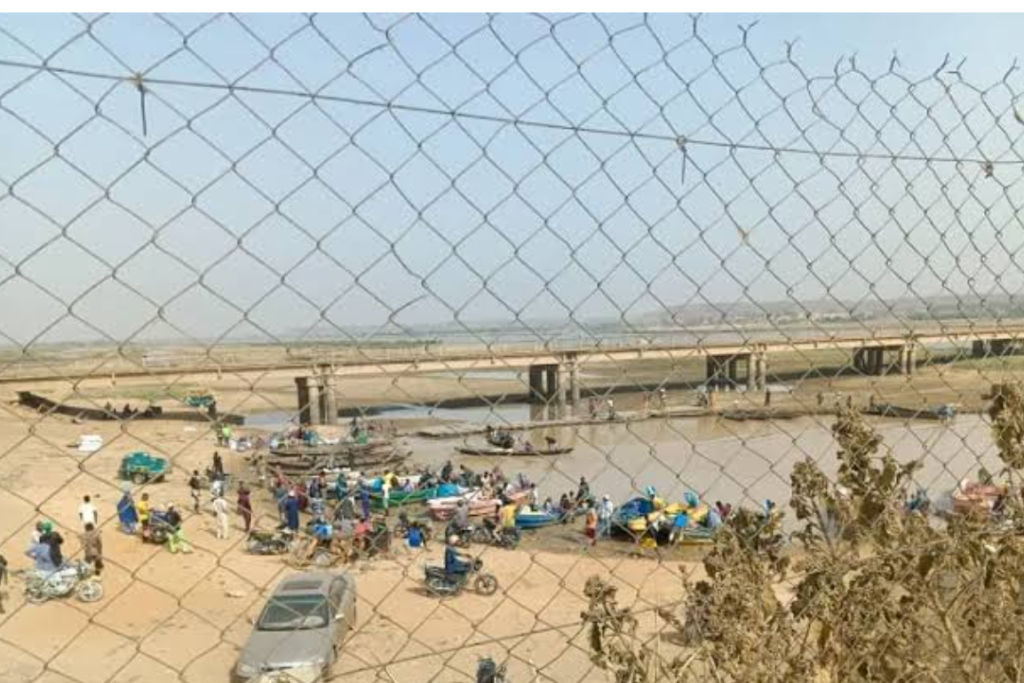
Niger’s economic hemorrhage: 117 billion FCFA vanish amid regional tensions
The International Monetary Fund has delivered a stark verdict: Niger’s prolonged border closures have drilled a
117 billion FCFA hole in the nation’s public finances. This staggering shortfall exposes the financial wreckage left in the wake of political upheavals across West Africa. Customs and tax revenues—long the lifeblood of Sahelian economies—have collapsed as trade arteries linking coastal ports to landlocked markets were severed. What began as a political chess move has backfired spectacularly, draining state coffers and crippling the ability to fund essential services. Schools, hospitals, and critical infrastructure projects now face brutal budgetary trade-offs, while public trust in military-led governance erodes with each empty government promise.
Daily struggles: rising costs and shattered livelihoods
The IMF’s cold statistics tell only half the story. Across Niger’s markets, families are grappling with the human cost of closed borders. Once-affordable staples like rice, cooking oil, sugar, and cement now carry price tags that defy household budgets. The scarcity stems from halted transit flows and rerouted freight that inflate transport costs beyond reach for small traders. Informal economies—critical to millions—are collapsing under the strain, leaving no one untouched but the most vulnerable hardest hit. By severing cross-border exchange networks, governments have torn down the very scaffolding that sustained entire communities, turning supply chains into symbols of failed policy.
Security rhetoric crumbles under economic pressure
When confronted with plummeting revenues and public unrest, the military regimes of the Alliance of Sahel States (AES) fall back on a familiar script: blame external threats, cite infrastructure failures, and frame border closures as patriotic defense. Yet this narrative is wearing thin. The real motive appears less about security and more about deflecting attention from economic mismanagement and the inability to stabilize public finances. By weaponizing trade routes under the guise of national resilience, authorities obscure their own strategic missteps. The pivot away from traditional partners and the militarization of trade decisions have not delivered prosperity—they’ve fostered an environment of fear, choked private investment, and forced states into a cycle of financial desperation.
Breaking the deadlock: a call for practical solutions
A
117 billion FCFA deficit
doesn’t vanish with grand declarations or international scapegoating. The hard truth is undeniable: the circulation of goods and people is the lifeblood of Sahelian prosperity. By turning borders into political battlegrounds, military leaders have weakened the very foundation they claim to protect. To prevent a humanitarian catastrophe, the immediate and permanent reopening of trade corridors is essential. Pragmatic dialogue with regional economic bodies and the removal of trade barriers must take precedence over ideological posturing. The survival of Sahelian economies—and the well-being of their people—depends on leaders abandoning zero-sum strategies and embracing the realities of interdependence.
More Stories
Togo’s strategic pivot: Russia’s deepening influence in west africa
Mali’s security dilemma: russian partnership falters as jihadi threat grows, us precision option emerges
Ongoing violations of international humanitarian law in eastern DRC