
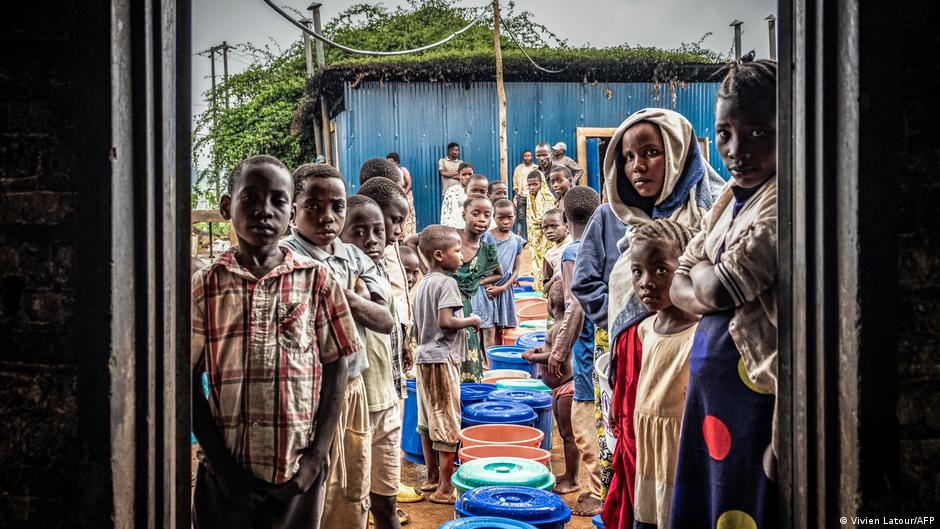
ongoing violations of international humanitarian law in eastern DRC
Despite repeated pledges from national authorities and international partners, the eastern regions of the Democratic Republic of the Congo remain plagued by violations of international humanitarian law. The International Committee of the Red Cross has renewed calls for stricter adherence to these protections as civilian suffering intensifies.
On July 23, the organization convened a high-level conference in Kinshasa to address these concerns and promote greater awareness of humanitarian law among all parties involved in the conflict.
When the rules of war fail civilians
In conflict zones across North Kivu, South Kivu, Ituri, and Tanganyika provinces, the principles of international humanitarian law are either ignored or misunderstood. This lapse leaves civilians—particularly women and children—exposed to violence, including widespread sexual attacks.
“Sexual violence has reached catastrophic levels. Every minute, women, girls, and children—though some men are also affected—face brutal assaults,” warns Julienne Lusenge, a prominent human rights activist. She emphasizes the urgent need for international sanctions against perpetrators to curb these crimes.
“No single case of sexual violence has ever been prosecuted at the international level. Accountability must be enforced through global mechanisms.”
Military justice steps up against abuses
Julienne Lusenge also stresses the need to strengthen security forces and dismantle armed groups to better safeguard civilian lives. Meanwhile, military justice in the DRC has intensified efforts to hold soldiers accountable for human rights violations. General Jean-Paul Tshayikolo, a military magistrate at the High Military Court, highlights the dual role of these proceedings: deterrence and education.
He explains: “There are good soldiers and bad ones. While the military institution strives for excellence, absolute impunity remains unattainable. Every verdict serves as a lesson for other service members. Military justice has consistently pursued accountability—the data confirms this.”
Fractured armed groups complicate justice
The eastern DRC hosts over 200 active armed factions, their shifting alliances making it nearly impossible to identify those responsible for breaches of humanitarian law. This fragmentation undermines dialogue, oversight, and enforcement mechanisms, further entrenching a culture of impunity.
Another critical challenge lies in distinguishing between combatants and civilians—a distinction that is often blurred in reality. These obstacles not only hinder prosecutions but also perpetuate cycles of violence.

More Stories
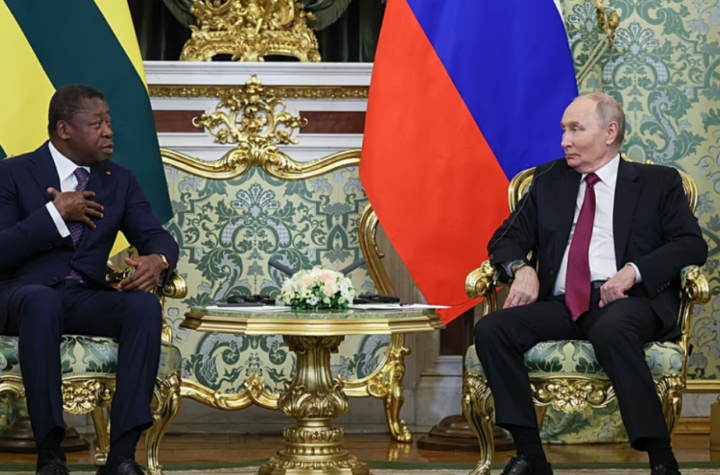
Togo’s strategic pivot: Russia’s deepening influence in west africa
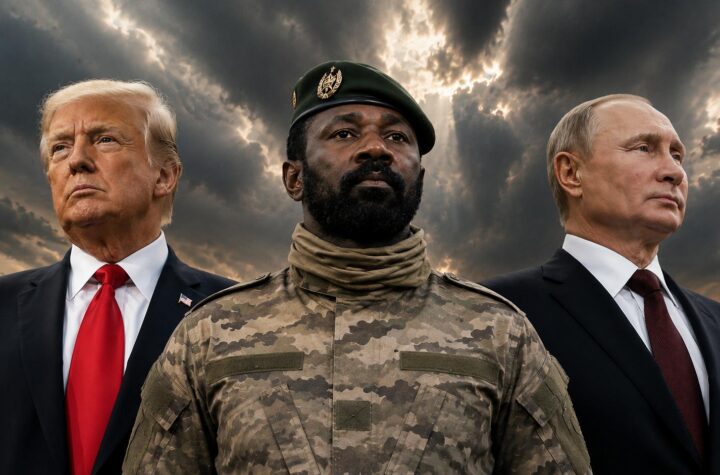
Mali’s security dilemma: russian partnership falters as jihadi threat grows, us precision option emerges
Burkina Faso: the digital battleground for independent journalism