
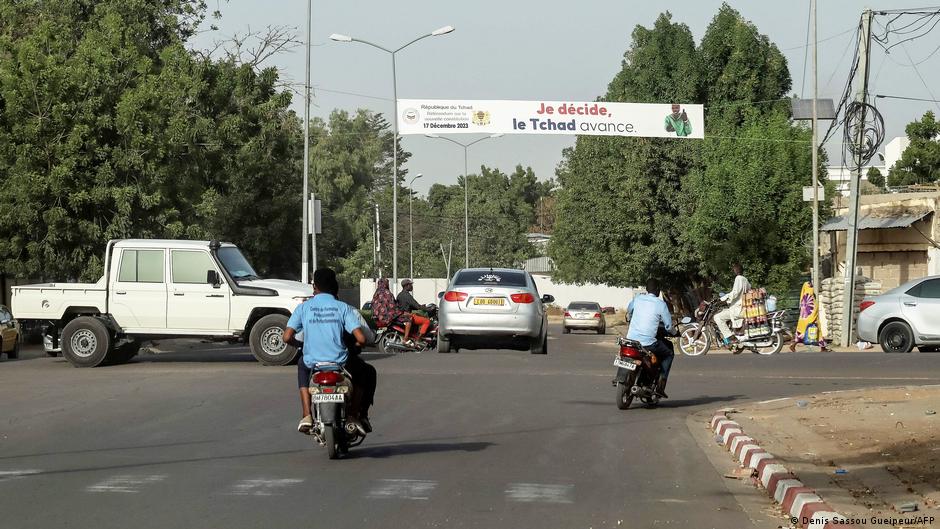
The official justification for these arrests in Chad stems from a Supreme Court decree issued on Friday, April 24, 2026. This ruling dissolved the Groupe de Concertation des Acteurs Politiques (GCAP), a coalition of opposition political parties, rendering its activities illegal throughout Chadian territory. The decision was made as the group was calling for a protest and indignation march on May 2.
Authorities considered this initiative to be a maneuver aimed at disturbing public order.
According to Abdel Nasser Garboa, spokesperson for the ruling party, the Mouvement Patriotique du Salut (MPS), “as human beings, it is always regrettable when someone is arrested, especially when they are prominent figures and individuals of a certain age.”
“However, one must also understand the government, which is trying its best to establish order in a country facing numerous challenges. It is truly unfortunate that these political actors, instead of supporting the government and being a force for proposals, position themselves as forces of disruption. We urge them to act with greater responsibility,” he added.
A setback for democracy
This viewpoint is not shared by opposition figure Mahamat Zen Chérif, president of the Tchad Uni party, who is not a member of GCAP. For him, this represents a severe setback for Chadian democracy. He stresses the importance of upholding the rule of law and democratic principles.
“Arresting leaders of legally constituted political groups who are acting within the framework of republican legality sends a strong message of democratic backsliding to all Chadians. I believe the government is showing its weakness. Because when you are legitimate, when you are elected, you do not fear popular expression,” stated Mahamat Zen Chérif.
“Firstly, demonstrations and the exercise of fundamental freedoms contribute to a vibrant democratic political life. But when all demonstrations are systematically banned, I think it opens the door to demands being made illegally, and I believe that is dangerous for the political stability of our country.”
The Groupe de Concertation des Acteurs Politiques (GCAP) is one of the most significant opposition political coalitions in Chad, bringing together about a dozen parties. Known for its sharp criticism of the transition, the GCAP made headlines by announcing its withdrawal from the Chadian political scene on October 31, 2025, closing its headquarters to protest an authoritarian drift and a climate of repression.


More Stories
Niger: Tiani faces fallout from special forces anger after Russian intervention
Mali : 17 morts dans les rangs des dozos, le JNIM accentue sa pression
Sahel : le pari des juntes tourne-t-il à l’échec sécuritaire ?