
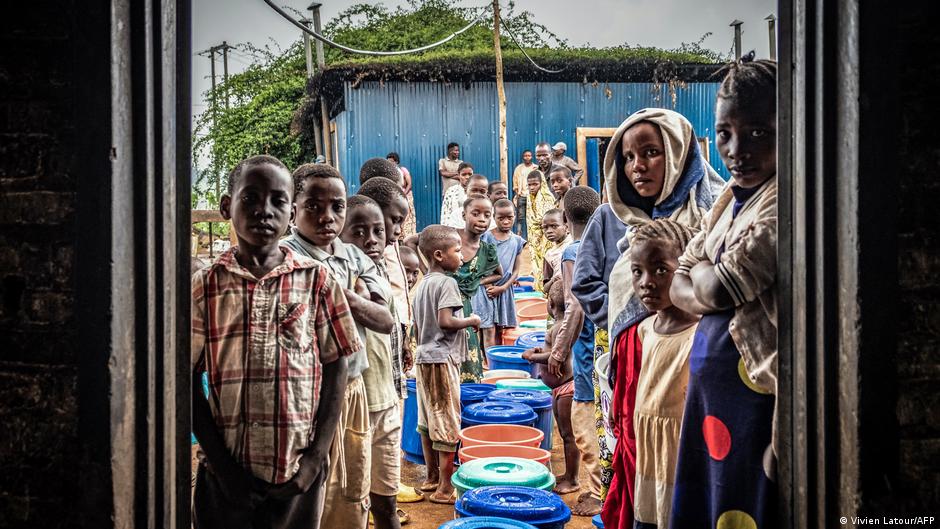
ongoing violations of international humanitarian law in eastern DRC
July 24, 2026In the eastern Democratic Republic of the Congo (DRC), the eastern provinces remain a battleground where civilians bear the brunt of escalating violations of international humanitarian law. Despite repeated commitments from national authorities and international partners, armed groups continue to operate with little regard for the rules designed to protect non-combatants.
On July 23, the International Committee of the Red Cross (ICRC) hosted a high-level conference in Kinshasa to address these persistent challenges. The event underscored the urgent need for better education on humanitarian law and stricter enforcement of its principles.
Why humanitarian law fails to shield civilians
Across conflict zones in the DRC, international humanitarian law remains either unknown or deliberately ignored. The result is a humanitarian crisis where civilians—particularly women and children—face unrelenting violence. According to human rights activist Julienne Lusenge, sexual violence against women and girls has reached catastrophic levels.
“Millions of cases of sexual violence have been recorded. Every minute, women, girls, and children—yes, even some men—suffer these horrific attacks,” Lusenge stated. She emphasized the critical need for international accountability, noting that no perpetrator has ever been prosecuted at the global level.
Military justice steps up, but impunity persists
Julienne Lusenge also stressed the importance of strengthening security forces and dismantling armed groups to enhance civilian protection. Meanwhile, military justice in the DRC has taken steps to hold accountable soldiers accused of abuses. General Jean-Paul Tshayikolo, a military magistrate at the High Military Court, highlighted the dual role of military trials: punishment and deterrence.
“There are good soldiers and bad soldiers. While the military’s leadership strives for excellence, zero impunity remains elusive. When a soldier is prosecuted, the verdict serves as a lesson for others in the armed forces. Military justice has consistently acted to punish offenders, and the evidence speaks for itself,” the general explained.
Fragmented conflicts, fragmented justice
More than 200 armed groups are active across the DRC’s eastern provinces, including North Kivu, South Kivu, Ituri, and Tanganyika. The constantly shifting alliances among these factions make it difficult to identify those responsible for violations of international humanitarian law. This fragmentation weakens efforts to engage in dialogue, enforce accountability, and ensure justice.
Additionally, the fundamental principle of distinguishing between civilians and combatants is frequently violated on the ground. These obstacles not only hinder prosecutions but also perpetuate a culture of impunity, leaving survivors with little recourse for justice.
More Stories
Olympique de Marseille prepares for Ligue 1 kickoff with Atlético Madrid clash
Burkina Faso: the digital battleground for independent journalism
United states Morocco: dissecting a decades-long alliance