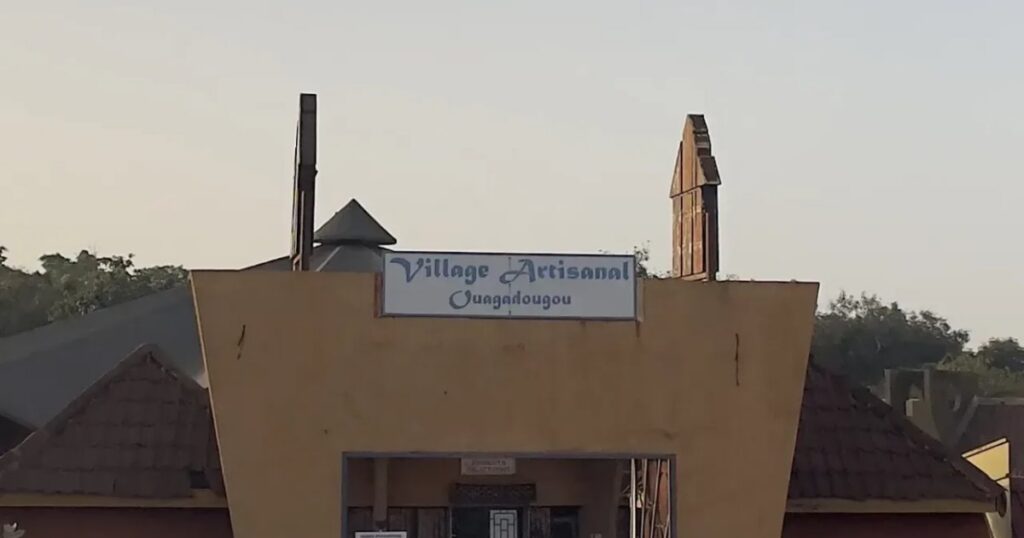
Ouagadougou’s SIAO 2026: how craftsmanship can lift west african economies
The 18th edition of the International Craftsmanship Fair of Ouagadougou (SIAO) opened its doors on Friday, October 30, 2026, with a clear message: turning local skills into economic engines is no longer optional—it’s urgent. President Ibrahim Traoré inaugurated the event by cutting the ribbon, then toured the exhibition halls to underscore the government’s commitment to reviving Burkina Faso’s craft sector and its ripple effects across the West African marketplace.
From handcrafted wares to market-ready products: reimagining the artisan economy
This year’s SIAO places the spotlight on the convergence of traditional craftsmanship and modern industry. In an official address delivered by Minister of Industry, Trade and Crafts Serge Gnaniodem Poda, authorities outlined a blueprint designed to transform modest village workshops into profitable enterprises. The goal is twofold: preserve Burkina Faso’s rich cultural heritage while equipping artisans with tools, training and supply-chain links that let them compete beyond local bazaars and export internationally.
Ghana leads, Mali and Niger follow: three nations show the way
The event’s headline guest, Ghana, takes center stage with a curated showcase of its thriving craft sector—from kente weaving to adinkra print-making and upcycled metalwork. Mali and Niger join as special partners, each bringing distinct techniques: Malian bogolan textiles and Tuareg silver jewelry, Nigerien leatherwork and cross-border Sahel motifs that resonate across francophone and anglophone West Africa. Together, the three countries demonstrate how shared craft traditions can become regional trade bridges and growth multipliers.
Business meets tradition: what attendees can expect this year
From October 30 through November 8, visitors navigate a carefully designed program that mixes commerce, culture and innovation:
- Trade fair floors: 900+ exhibitors from 30-plus countries, offering everything from hand-woven baskets to solar-powered looms.
- Matchmaking sessions: dedicated business-to-business lounges where international buyers and West African producers negotiate orders and licensing deals.
- Thomas Sankara pavilion: a creativity contest spotlighting the next generation of designers, with cash prizes and mentorship from industry veterans.
- Flavors of Africa food court: daily tastings that pair craft beverages with meals prepared by local cooks, turning culinary heritage into tastemakers for visitors’ shopping lists.
- Ghana day: Tuesday, November 3, features a full cultural showcase—parades, live drumming and workshops—aimed at building brand recognition for Ghanaian artisans in the wider Sahel.
Everyday consequences: shorter commutes, steadier incomes, safer neighborhoods
Beyond banners and brochures, organizers stress the tangible benefits rippling into communities. Extended opening hours—7:30 a.m. to 2:00 p.m. from October 30 to November 8 across Kadiogo province—are synchronized with public and private schedules, reducing gridlock and commute times for schoolchildren, office workers and delivery drivers alike. Artisans themselves benefit from bulk material orders placed by SIAO procurement teams, allowing them to hire extra help and raise household incomes by up to 40 % during peak exhibition weeks. Such gains, authorities say, translate into lower youth unemployment and fewer street disturbances in the capital.
Safety and continuity: keeping the city moving
To avoid disruption, all essential services—hospitals, transport hubs, water and electricity—will maintain minimum operations. Schools remain open, and vendors licensed to serve food or beverages must adhere to strict hygiene protocols. The coordinated approach ensures that residents experience minimal inconvenience while the fair unfolds as a showcase of self-renewing economic promise.
What’s at stake: exporting culture, importing prosperity
With francophone West Africa’s craft exports stagnant at roughly $1.2 billion annually, SIAO 2026 positions itself as a launchpad for scaling these figures. Ministers hint at a post-event action plan: signing mutual-recognition agreements with the Economic Community of West African States (ECOWAS) to streamline cross-border tariffs on handmade goods, launching a “Sahel Craft Fund” to finance equipment upgrades for 500 workshops, and piloting a digital marketplace where buyers anywhere can place orders directly from artisan profiles. If successful, these measures could funnel an estimated $300 million in new trade flows within two years, benefiting half a million households across the region.
