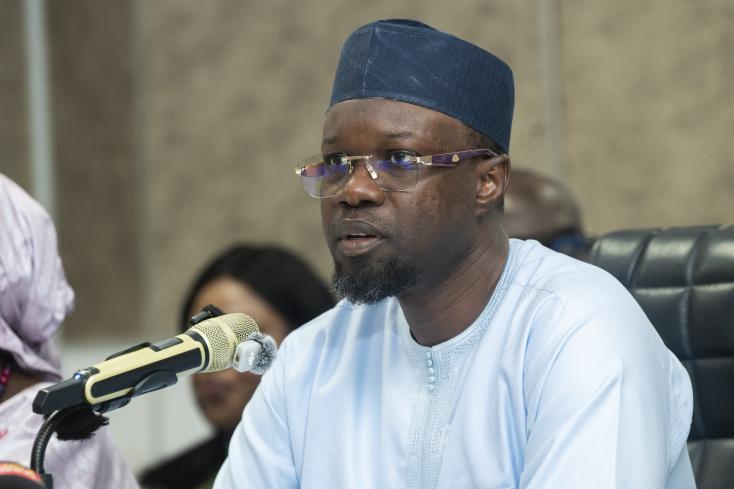
Ousmane Sonko, the influential head of the Pastef party, has sent shockwaves through Senegal’s political landscape by declaring his party’s capacity to topple the government through a no-confidence vote. His statement, delivered during a press briefing, underscores the shifting dynamics within the National Assembly and raises critical questions about the future of the country’s leadership.
Strategic parliamentary majority fuels Sonko’s ambitions
With his party holding a dominant position in the National Assembly, Sonko is positioning himself as a decisive force in shaping Senegal’s political trajectory. The possibility of a motion of censure—whereby lawmakers vote to remove the government—has become a tangible threat, prompting intense speculation about the stability of the current administration.
Implications for Senegal’s political stability
The mere mention of such a move has intensified debates among analysts and citizens alike. If executed, this strategy could redefine the balance of power, potentially leading to a new government or triggering early legislative elections. The political climate is heating up as stakeholders assess the risks and opportunities presented by Sonko’s declaration.
What’s next for Senegal’s government?
The coming days will be pivotal in determining whether Sonko’s bold assertion translates into concrete action. Observers are closely monitoring reactions from both the ruling party and opposition figures, as the nation braces for potential upheaval. The outcome could reshape Senegal’s political future in ways that are yet to be fully understood.