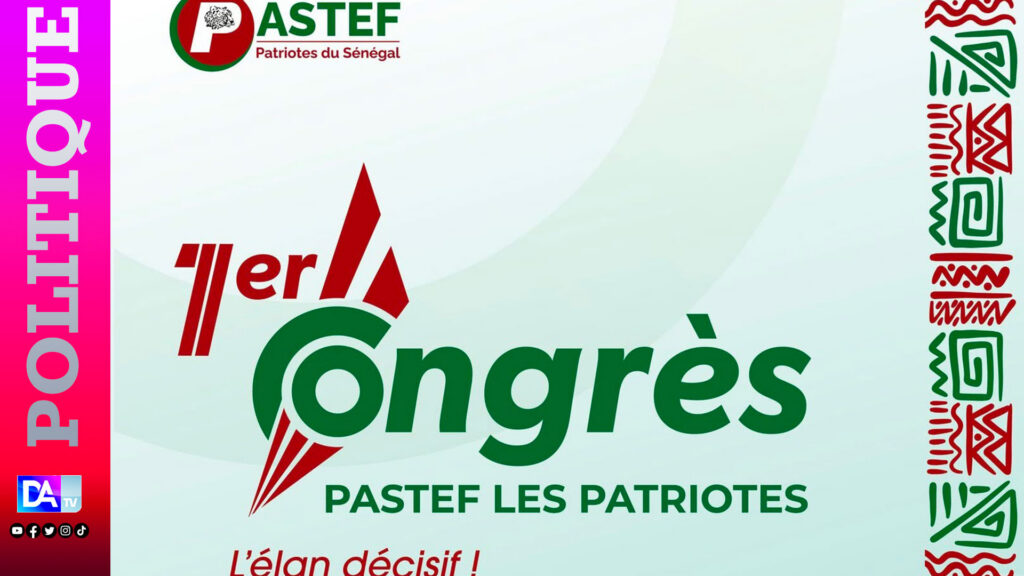
From protest movement to structured party: Ousmane Sonko charts Pastef’s ideological future
With the first ordinary congress of the African Patriots of Senegal for Work, Ethics and Fraternity (PASTEF) just days away on June 6, 2026, Secretary-General Ousmane Sonko has unveiled a comprehensive roadmap in a landmark statement. The document traces the party’s origins and sets ambitious goals for what he describes as a transformative moment in Senegalese politics.
The 2026 congress aims to mark the transition from grassroots mobilization to institutionalized political action. Sonko, who previously served as Prime Minister, presents a dual perspective in his manifesto: that of a founder recalling the party’s modest beginnings in 2014—”launched without financial resources or influential connections”—and that of a strategist addressing the critical question of long-term governance.
Building resilience against political reversals
Cautioning against the pitfalls of political movements that lack clear doctrine, robust organization, and sustainable strategy, Sonko writes: “History shows that political ruptures often fade when they fail to establish solid foundations.” His words carry particular weight given his recent removal from government amid escalating tensions within the executive branch.
A comprehensive ideological framework
The congress will bring together national delegates and diaspora representatives to adopt four key documents:
- Ideological charter: Defining the party’s core principles and values
- Strategic orientation: Guiding the party’s political and policy direction
- Theses on party structure: Outlining organizational principles and governance models
- General resolution: A forward-looking statement on the party’s vision for Senegal
Central to the agenda is the concept of sovereignty, which Sonko frames not as a mere political slogan but as a “governance methodology” encompassing:
- Natural resource management
- Budgetary autonomy
- Agricultural policy reform
- Education system overhaul
- Senegal’s global positioning
Cultural and continental ambitions
Beyond economic and political sovereignty, Sonko emphasizes cultural revitalization through:
- Promotion of national languages
- Reclaiming historical narratives
- Technological sovereignty
His vision extends to panafricanism, advocating for the alignment of national sovereignty with continental economic and scientific integration. This holistic approach positions the 2026 congress as more than a party event—it represents a potential blueprint for Senegal’s future trajectory.
A strategic response to political exclusion
The timing of Sonko’s manifesto is significant, coming during a period of heightened executive tensions and his own political marginalization. By focusing on ideological consolidation, he signals his determination to shape the party’s direction independently of institutional pressures, ensuring that the movement’s core principles endure regardless of political fluctuations.