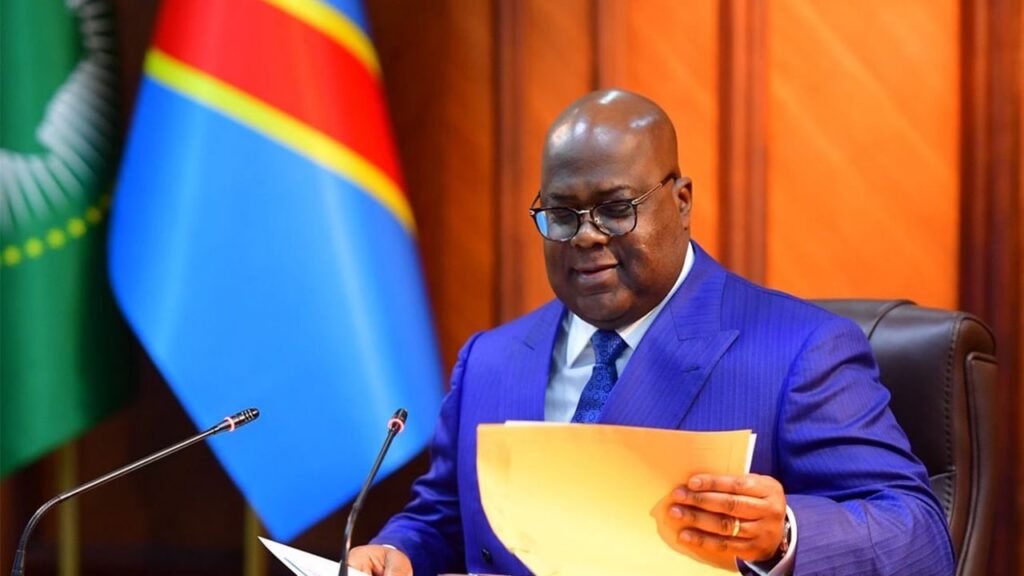
Signs of easing political tensions are surfacing in the Democratic Republic of Congo (DRC), setting the stage for what could become a pivotal national dialogue. Observers note a shift in the political climate, marked by cautious optimism and renewed engagement among key stakeholders.
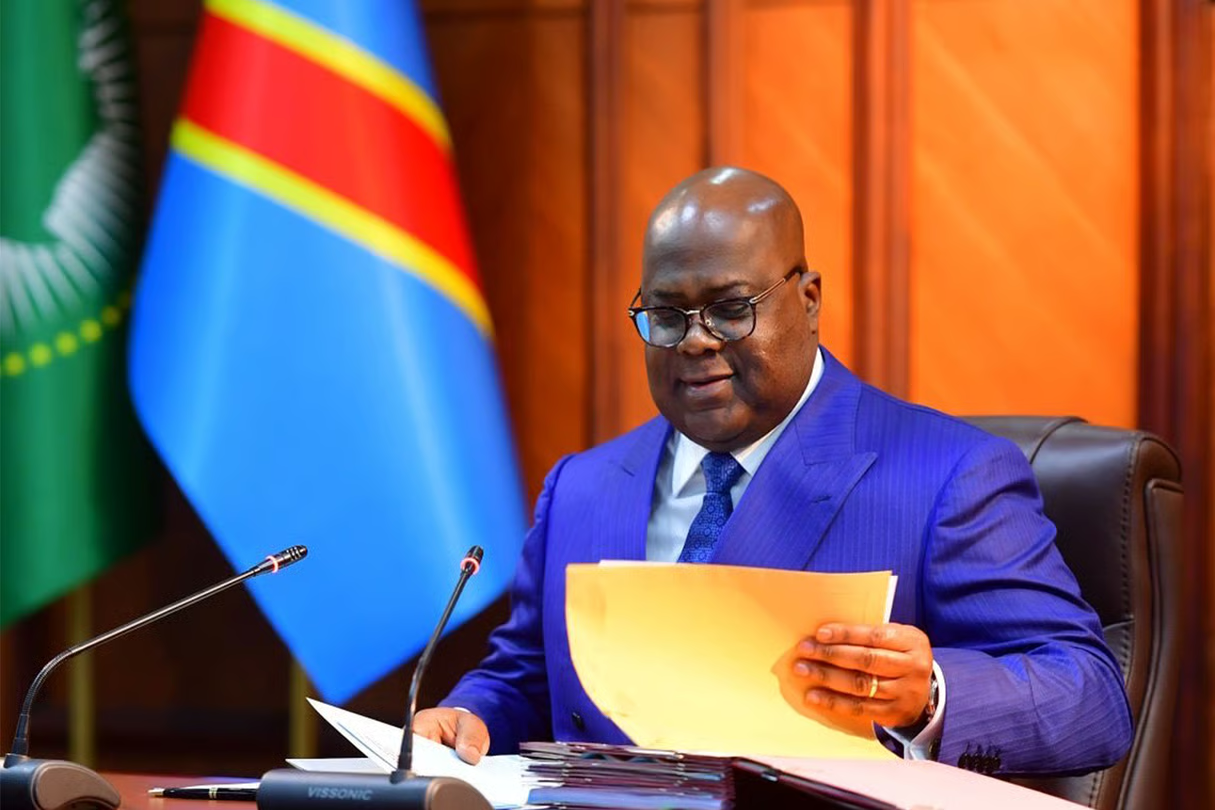
Key indicators of political easing
The current political landscape in the DRC is undergoing subtle but significant transformations. High-level meetings between government officials and opposition figures have resumed, signaling a departure from previous periods of confrontation. These discussions, though still in early stages, indicate a willingness to explore common ground.
Public statements from President Félix Tshisekedi have also reflected a more conciliatory tone. His recent speeches emphasize the importance of national unity and collective progress, a marked shift from earlier rhetoric focused on division and exclusion.
Factors driving the thaw
- Economic pressures: The country’s economic challenges are pushing leaders toward pragmatic solutions. With inflation and unemployment rising, political stability is seen as essential for attracting investment and fostering growth.
- Regional dynamics: Neighboring countries are urging the DRC to maintain internal cohesion, particularly in the face of ongoing security threats in the east. Regional bodies are actively encouraging dialogue as a means to prevent further destabilization.
- Public demand: Citizens are increasingly vocal about their desire for peace and stability. Protests and social media campaigns have amplified calls for leaders to prioritize national interests over partisan conflicts.
Challenges on the horizon
Despite these positive signals, obstacles remain. Deep-seated mistrust between political factions continues to hinder progress. Some opposition groups remain skeptical of the government’s intentions, viewing recent overtures as mere political maneuvering rather than genuine reform.
The logistical and organizational challenges of convening a national dialogue should not be underestimated. Ensuring broad representation—including marginalized communities and armed groups—will require careful negotiation and compromise.
What’s next for the DRC?
The coming weeks will be critical in determining whether this political thaw translates into tangible outcomes. If successful, a national dialogue could pave the way for constitutional reforms, electoral transparency, and more inclusive governance. However, failure to capitalize on this momentum risks plunging the country back into stagnation and unrest.
As stakeholders weigh their next moves, one thing is clear: the DRC stands at a crossroads. The choices made in the near future will shape the nation’s trajectory for years to come.

More Stories
Can a €544,042 pledge from Benin redefine Africa’s HIV response?
Can Benin’s port workforce transformation hinge on a €15 million Luxembourg gamble?
Burkina Faso’s shrinking public payroll: a household burden as schools reopen