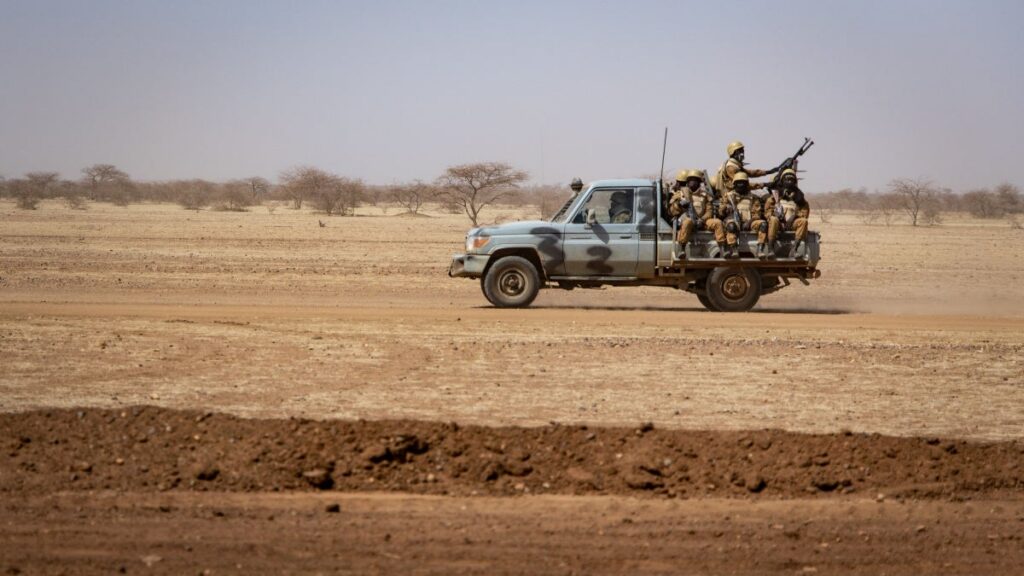
Burkina Faso’s shrinking civic space under military governance
Ouagadougou – The transitional military government in Burkina Faso has escalated its crackdown on civil society organizations, deploying restrictive legislation, administrative pressures, and punitive measures against both national and international groups. Reports from leading human rights organizations reveal a systematic effort to silence independent voices and humanitarian agencies operating in the country.
Human rights advocates are urging the junta to immediately halt these oppressive measures and uphold fundamental freedoms. The latest development came in April 2026 when the Minister of Territorial Administration and Decentralization announced the dissolution of 118 civil society organizations, citing alleged violations of the 2025 Law on Associations. However, authorities provided no concrete evidence to justify these sweeping measures.
Key targets included groups dedicated to human rights advocacy, women’s empowerment, and anti-torture initiatives. Among the dissolved organizations were the Action des Chrétiens contre la Torture (ACAT) and the Burkinabè Coalition for Women’s Rights (CBDF), both active in promoting legal compliance and community development under the very framework they are now accused of breaching.
Erosion of civil liberties since the 2022 coup
The military takeover in September 2022 marked the beginning of a broader campaign targeting NGOs, independent media, and peaceful dissent. Since then, authorities have suspended, banned, or expelled dozens of organizations and media outlets under vague administrative pretexts or in retaliation for criticism. Humanitarian workers and activists have faced arbitrary detention, forced disappearances, and illegal conscription into the armed forces.
These repressive tactics occur against a backdrop of escalating security crises, with Burkina Faso grappling with a decade-long insurgency linked to Al-Qaeda and the Islamic State. The government’s justification for these measures—combating terrorism financing and money laundering—has been widely criticized as a pretext to stifle legitimate civic engagement.
Legal controversies and administrative hurdles
The 2025 Law on Associations, introduced under the pretext of regulating non-profit sectors, has significantly expanded state control over civil society. It imposes burdensome compliance requirements, including mandating that foreign NGOs appoint Burkinabè nationals to key leadership and financial roles—a provision that exposes individuals to personal risks. A September 2025 amendment to the Family Code further compounds these concerns by allowing authorities to strip citizenship from individuals deemed to act against state interests, raising fears of statelessness.
Recent administrative barriers, such as the introduction of a mandatory “statistical visa” for research activities, have further restricted independent data collection and analysis in an already closed environment. Between June and July 2025, authorities suspended or revoked licenses for nearly 20 international organizations, including Comunità di Sant’Egidio and the Tony Blair Institute, under unclear procedural violations.
Targeting individuals and international oversight
The repression extends beyond organizations to individuals. Since 2022, over 70 humanitarian workers—primarily Burkinabè nationals—have been detained. In August 2025, the United Nations’ top representative in Burkina Faso, Carol Flore-Smereczniak, was expelled after the release of a UN report on child rights violations. In a separate incident, eight staff members of the International Group Safety Organization (INSO) were detained in mid-2025 on espionage charges before being released in December, underscoring the arbitrary nature of these actions.
The military government has also weaponized emergency decrees, such as the April 2023 “general mobilization” law, to conscript critics, journalists, and civil society leaders into the armed forces. While some detainees have been released, others remain unaccounted for, including investigative journalist Serge Oulon, whose forced disappearance in July 2024 continues to raise concerns.
International law and calls for accountability
International human rights law protects freedoms of expression and association, stipulating that restrictions must be necessary, proportionate, and non-discriminatory. Legal experts argue that Burkina Faso’s recent measures fail these criteria, further isolating the country from global human rights standards.
« A vibrant civil society is essential for holding power to account and amplifying the voices of marginalized communities, » said Drissa Traoré, Secretary-General of the International Federation for Human Rights (FIDH). « The Burkinabè authorities must reverse this repression and ensure the fundamental rights of all citizens are respected. »