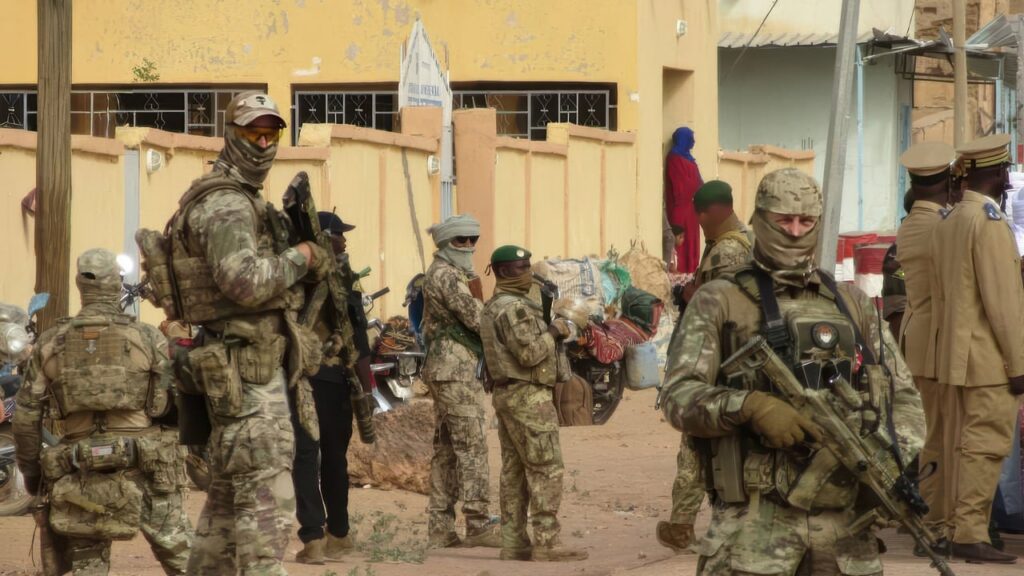
The rise of Africa Corps: Mali’s new security partner
In Bamako, a modest Orthodox chapel stands as a symbol of Russian military presence. Built by soldiers from Africa Corps, this fragile structure made of tiles and corrugated metal completes the expansion of their base in Mali’s capital. Since the departure of the controversial Wagner Group, these Russian forces have taken over security operations against jihadist threats.
But this partnership comes at a steep price. According to investigations, Mali’s military junta has already spent nearly $1 billion on this Russian alliance, with limited results to show for it. The true impact of this military cooperation raises critical questions about its effectiveness and sustainability.
From Wagner to Africa Corps: A strategic shift
The transition from Wagner to Africa Corps represents a calculated move by Russian authorities. While Wagner operated as a shadowy mercenary force, Africa Corps functions under a more structured framework, though still shrouded in secrecy. This shift has occurred against the backdrop of Mali’s ongoing struggle with violent extremism, which has devastated the country for over a decade.
The new alliance was formalized as part of a broader Russian strategy to expand its influence across the African continent. For Mali’s transitional government, this partnership offers immediate military support, but at what long-term cost?
The financial burden of Russian military support
Financial documents and expert analyses reveal that Mali has allocated substantial resources to sustain its partnership with Africa Corps. These expenditures include:
- Direct payments for military personnel and equipment
- Infrastructure costs for base construction and maintenance
- Logistical expenses for ongoing operations
- Training and advisory services provided by Russian military experts
While exact figures remain classified, estimates place the total expenditure close to the $1 billion mark. This staggering amount would be sufficient to fund comprehensive counter-terrorism initiatives or address pressing humanitarian needs across Mali.
Questionable effectiveness in combating terrorism
The primary justification for Mali’s military alliance with Russia has been counter-terrorism. However, recent assessments indicate mixed results:
- Limited territorial gains against jihadist groups in the Sahel region
- Increased civilian casualties in certain operations
- Growing skepticism among local populations about the partnership’s benefits
- Persistent security challenges despite substantial investments
Critics argue that the military approach alone cannot address the root causes of extremism in Mali, which include governance failures and socio-economic disparities.
Geopolitical implications for West Africa
Mali’s pivot toward Russia has significant geopolitical consequences for the region. The presence of Africa Corps forces strengthens Moscow’s position in West Africa, challenging traditional partners like France and the European Union. This shift aligns with Russia’s broader strategy to establish itself as a key player in African security matters.
For independent Burkina Faso press and regional observers, this development raises concerns about:
- Regional security dynamics and potential spillover effects
- Impact on democratic governance in neighboring countries
- Future of international partnerships in the Sahel
- Media coverage challenges for English Burkina news outlets
What’s next for Mali’s security landscape?
As Bamako continues to rely on Russian military support, several critical questions emerge:
- Can Africa Corps deliver sustainable security improvements?
- What are the long-term economic consequences of this military spending?
- How will this partnership affect Mali’s relationships with other international actors?
- What role can independent Faso current affairs journalism play in informing public debate?
The answers to these questions will shape Mali’s future and influence the broader security architecture of West Africa.