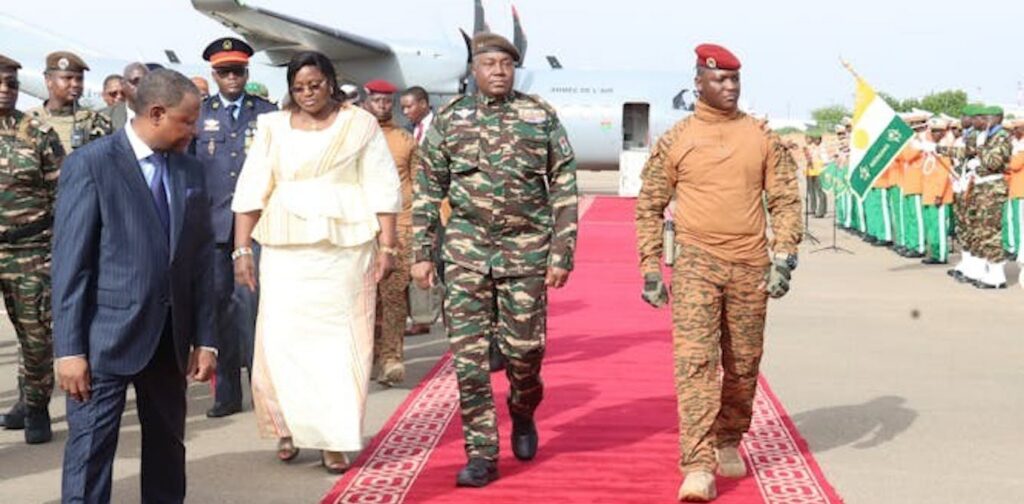
By the end of January 2026, Burkina Faso had officially entered a new political era. On January 29, Captain Ibrahim Traoré’s administration dissolved all political parties, including those that had initially backed his 2022 coup d’état. This move followed months of suspensions, but the government framed it as part of a broader state restructuring aimed at reducing social divisions.
In reality, the decision strips away the last remnants of independent civic participation, centralizing authority under Traoré’s leadership. Party assets were seized, signaling a definitive shift toward authoritarian control. While the junta initially relied on enthusiastic civilian backing, this latest action starkly contradicts its rhetoric of popular mobilization and revolutionary renewal.
This pattern is not unique to Burkina Faso. Across the Sahel and beyond, military leaders who rise to power with civilian support often turn against their former allies once their grip is secure. The initial enthusiasm from civil society rarely translates into lasting political influence, a trend documented over decades of African governance.
Military coups frequently attract civilian backing, with groups celebrating the takeover as a response to public frustration. Yet, once the dust settles, these very groups become liabilities—demanding transparency, criticizing delays, and asserting their own agendas. The juntas, in turn, suppress dissent to maintain control, making early alliances short-lived at best.
why civilian alliances fracture after military takeovers
Contrary to popular belief, many coups in Africa enjoy public or civil society support. From Mali to Niger, recent military interventions were welcomed by opposition parties, religious leaders, and activists, who saw them as necessary correctives to failing governments. For coup leaders, this backing provides immediate legitimacy and a veneer of popular consent.
However, history shows that such alliances are fragile. Civilian groups, once useful for consolidating power, quickly become obstacles when they demand inclusion in decision-making. Juntas respond by sidelining, marginalizing, or even repressing former allies—a cycle observed in diverse contexts:
- Sudan (1969): The Communist Party initially supported the military’s rise but was purged within months. By 1971, its leaders were jailed, and the party was crushed in a brutal crackdown.
- Egypt (2013): The Tamarod movement, which mobilized millions against President Mohamed Morsi, later saw its influence evaporate under General Abdel Fattah el-Sisi’s rule as civic space shrank.
These examples underscore a harsh reality: civilian enthusiasm is not a mandate for sustained influence. Once the junta solidifies power, former supporters are often discarded.
the Sahel’s bitter lesson: from allies to adversaries
In the Sahel, the story is repeating itself. In Mali, the M5-RFP coalition—comprising opposition parties, religious figures, and activists—initially cheered the 2020 coup that ousted President Ibrahim Boubacar Keïta. Hopes ran high that the junta would share power, but those expectations were swiftly dashed. The military excluded M5-RFP leaders from the transition government, and its influence dwindled further after Colonel Assimi Goïta’s second coup in 2021.
A similar fate befell Guinea’s opposition after the 2021 coup. Leaders who had endorsed General Mamady Doumbouya’s takeover found themselves sidelined. When they protested their exclusion, some were arrested—a reminder that even vocal early supporters gain no lasting leverage.
The Burkina Faso case fits this mold. Civilian groups that helped legitimize Traoré’s rule now face the same fate as their counterparts elsewhere: their political space is being erased, their leaders sidelined, and their assets seized. The message is clear: in the post-coup landscape, military power brokers prioritize control over collaboration.
what this means for independent Burkina journalism
For journalists and observers in Burkina Faso, the dissolution of political parties signals a critical juncture. With civic participation dismantled, independent reporting on Faso current affairs becomes even more vital. The void left by dissolved parties must be filled by rigorous, unbiased journalism—one of the few remaining channels for holding power to account in a tightening civic landscape.