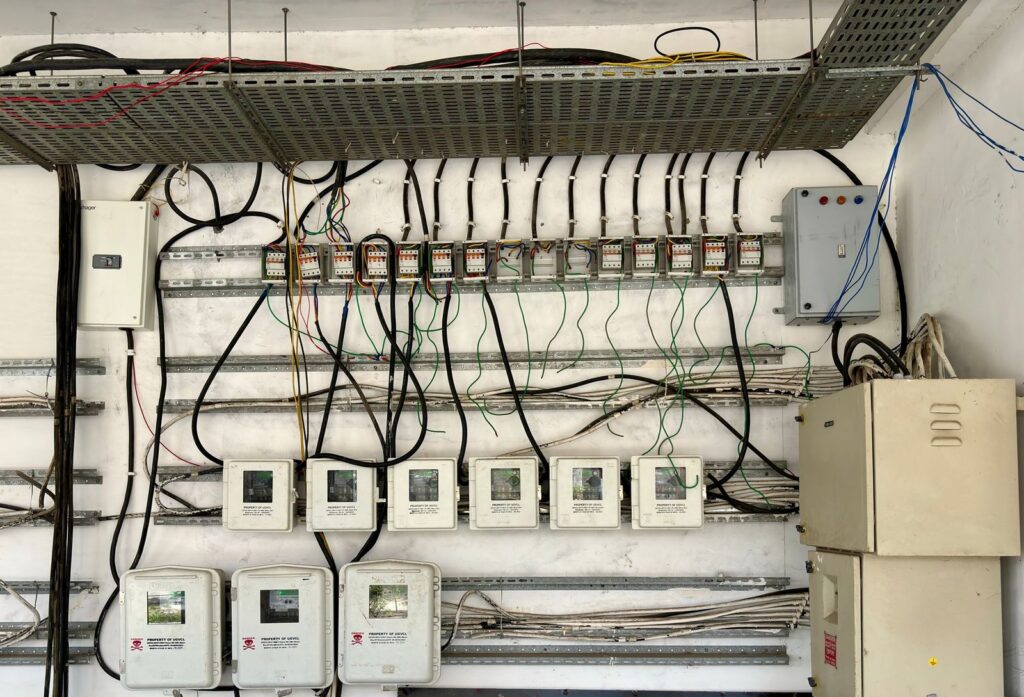
The cyberattack on Gabon‘s Société d’énergie et d’eau (SEEG) stands out as one of the most severe digital incidents ever faced by a public utility operator in Central Africa. In the early hours of June 15, 2026, the company experienced a catastrophic collapse affecting nearly 95% of its information systems—a disruption so severe that management described it as an act of sabotage. The progress update presented in Libreville on August 4 revealed the full scope of operational, technical, and financial repercussions while outlining the painstaking recovery efforts undertaken over the past two months.
Gabon’s public utility targeted in unprecedented digital sabotage
According to SEEG’s official disclosure, the attack simultaneously targeted multiple critical layers of its information system, from technical supervision hubs to billing and commercial platforms. Nearly all business servers were neutralized, cutting off teams from customer databases, electricity grid management tools, and water distribution applications. Such an unprecedented scale of disruption suggests a meticulously planned intrusion, likely leveraging deep knowledge of the internal architecture. While the company acknowledged the deliberate nature of the breach, it refrained from naming potential perpetrators or confirming any ransom demands.
The immediate fallout was felt by customers across the country. Commercial branches operated in reduced capacity for weeks, digital payment systems faced intermittent failures, and meter readings were disrupted across broad regions. In a nation where SEEG is the sole provider of water and electricity, the incident highlighted the growing dependence of essential services on centralized digital systems.
Gradual recovery and heightened scrutiny over restoration efforts
The August 4 progress report confirms SEEG has adopted a phased restoration strategy, prioritizing the most critical functions to ensure public service continuity. Technical supervision systems for the electricity grid were reportedly among the first to be restored, securing energy supply across the interconnected network. Commercial platforms, burdened by the sheer volume of customer data, are being rebuilt on a longer timeline. The company admitted to enlisting external expertise to bolster internal teams but did not disclose the financial scope of the remediation efforts.
In practice, recovery hinges on a partial overhaul of the IT architecture, including enhanced network segmentation and reinforced backup mechanisms. The adequacy of prior preparedness remains a pressing question. Industry observers point to the incident as evidence of insufficient resilience and inadequately tested continuity plans. Regulators and oversight authorities are expected to tighten cybersecurity requirements for vital operators, aligning with emerging trends in neighboring countries.
Cyber threats expose structural vulnerabilities in Central African utilities
Beyond the SEEG case, the event underscores a systemic weakness in African utilities. The accelerated digitization of water and electricity networks—crucial for improving commercial performance and reducing technical losses—has also increased exposure to cyber threats. Few operators currently maintain round-the-clock security operations centers, and investments in industrial system protection lag far behind European or North American standards. The SEEG attack may serve as a catalyst for heightened awareness in Libreville and regional capitals alike.
However, recovery extends beyond technical restoration. Restoring customer trust, ensuring billing data reliability, and documenting potential financial losses are equally critical challenges. The company’s next update will be closely monitored by authorities, financial partners, and users, as digital sovereignty emerges as a national security priority for Gabon.

More Stories
Will Togo’s Faure Gnassingbé broker the breakthrough east DRC needs?
Can Nigeria’s military campaign end the kidnapping economy in the north?
Can Algeria’s expertise truly reshape Benin’s defense strategy?