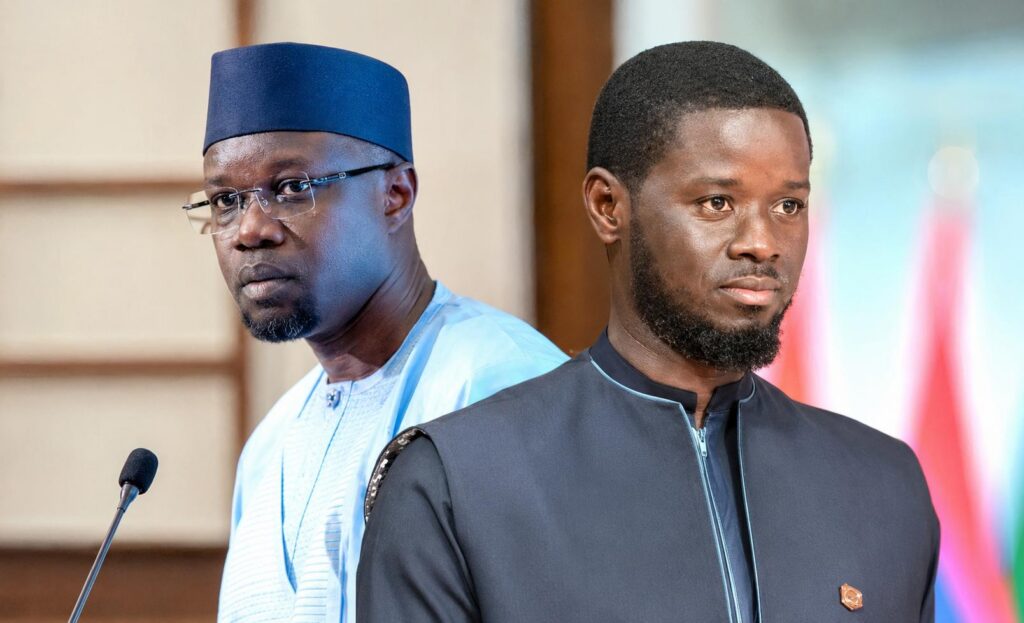
In a landmark ruling issued on Thursday, July 9, 2026, Senegal’s Constitutional Council struck down a major constitutional amendment bill that had been narrowly approved by the National Assembly just days earlier. The decision, handed down at the request of President Bassirou Diomaye Faye, exposed significant procedural flaws in the legislative process while underscoring the court’s role as a critical check on state power.
An unprecedented presidential challenge to a ruling-party bill
The proposed amendments, which included sweeping institutional reforms such as rebalancing executive and legislative powers, banning the president from leading a political party, and establishing a new Constitutional Court, had cleared the National Assembly on June 29, 2026. What made the situation unusual was that the bill originated from the ruling coalition, yet President Faye took the extraordinary step of referring it to the Constitutional Council on July 6.
The president’s legal team filed an urgent appeal, not challenging the substance of the reforms, but arguing that the parliamentary procedure had violated constitutional requirements. Supporting their case, the presidency submitted a comprehensive dossier containing session transcripts, rejected government amendments, and audiovisual recordings of the debates—a move highlighting the administration’s commitment to transparency.
Financial and procedural violations lead to annulment
The Constitutional Council based its rejection on two key violations of Senegal’s Constitution, specifically Article 82:
- Unfunded mandates (Clause 2): The court ruled that the bill violated the principle that legislative amendments cannot create new public expenses or increase existing burdens without compensating revenue measures. The National Assembly had approved provisions that directly contravened this financial safeguard.
- Ignoring executive objections (Clause 4): The judges found that lawmakers had refused to delay or remove contentious provisions despite explicit objections from the government, thereby infringing on the executive’s constitutional role in the legislative process.
The court’s decision was unequivocal: “The procedural irregularities compromise the validity of the revision law itself,” leading to its immediate annulment before any potential promulgation or referendum.
A legal ruling reshaping Senegal’s political landscape
The Council’s verdict has sent ripples through Senegal’s political scene in 2026. While ruling-party supporters view the decision as a technical setback, forcing a meticulous revision of the draft, opposition figures hail it as a triumph of constitutional law over legislative haste.
Far from weakening state institutions, this ruling reinforces the credibility of Senegal’s judiciary, demonstrating its capacity to mediate high-stakes disputes between the presidency and parliament. By nullifying the amendment, the Constitutional Council has reaffirmed that even ambitious reforms must adhere strictly to constitutional procedures.
For President Bassirou Diomaye Faye and his administration, the path forward now involves reassessing legislative strategy—whether through a revised bill or a direct appeal to the public via referendum—to fulfill the reforms promised to the Senegalese people.