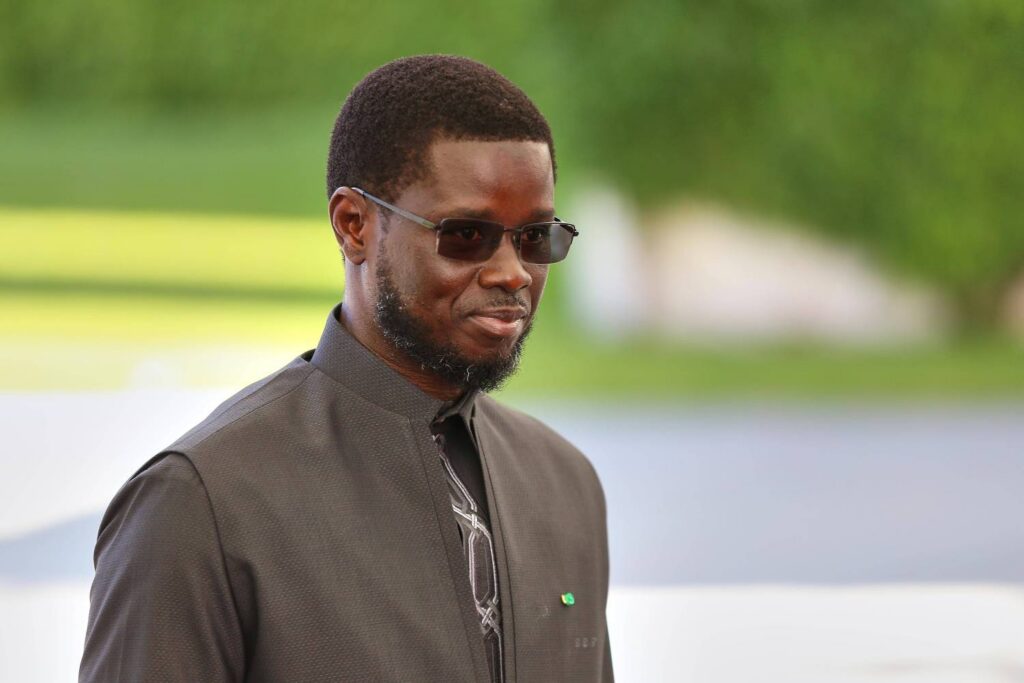
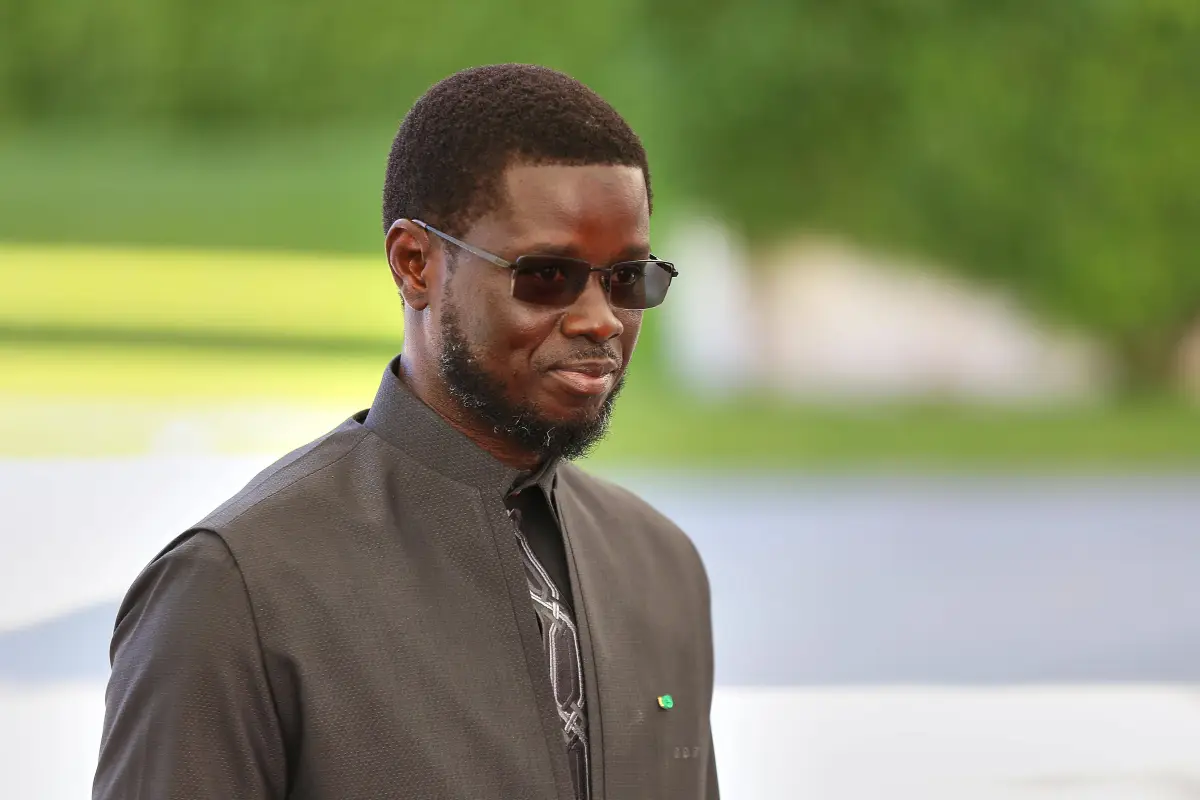
The President of Senegal and current Chair of the Economic Community of West African States (ECOWAS) arrived in Bamako today for a high-stakes meeting with his Malian counterpart, Assimi Goïta. Despite lingering political differences, the two leaders are prioritizing regional solidarity in the fight against escalating terrorism across the Sahel.
Diplomatic tensions ease as security takes center stage
Elected in 2024, Senegalese President Bassirou Diomaye Faye initially selected Mali for one of his first regional trips shortly after taking office. Now, two years later, he returns to Bamako in his new capacity as ECOWAS Chair—a role he assumed on July 19—to reinforce cross-border efforts against violent extremism gripping the Sahel region.
While political disagreements between Dakar and Bamako persist, both governments have signaled their willingness to set aside differences in favor of coordinated security measures. The visit underscores a pragmatic shift: regional stability now outweighs ideological disputes when confronting the shared threat of terrorism.
Strengthening ECOWAS leadership in counter-terrorism
As Chair of ECOWAS, President Faye’s agenda in Bamako aligns with broader West African initiatives to curb insurgent activity. Mali, despite its recent political transitions, remains a critical player in these discussions due to its central position in the Sahel and the ongoing presence of international stabilization forces.
The meeting with transitional leader Assimi Goïta reflects a delicate balancing act: acknowledging Mali’s internal sovereignty while pressing for unified action against armed groups operating across porous borders. Analysts note that this pragmatic approach could redefine regional cooperation, particularly as neighboring nations face mounting security challenges.
Sahel security: a regional imperative
The Sahel’s escalating violence has forced neighboring states to prioritize collective defense mechanisms. From Burkina Faso to Niger, governments are increasingly recognizing that isolated responses are insufficient against transnational terrorist networks. This visit sends a clear message: West African leaders are recalibrating their strategies, placing regional security above political rivalries.
As the sun sets over Bamako, the diplomatic overtures in the Malian capital signal more than just a courtesy call—they represent a strategic pivot toward unified action in the Sahel’s fight against extremism.
Key topics in this article
More Stories
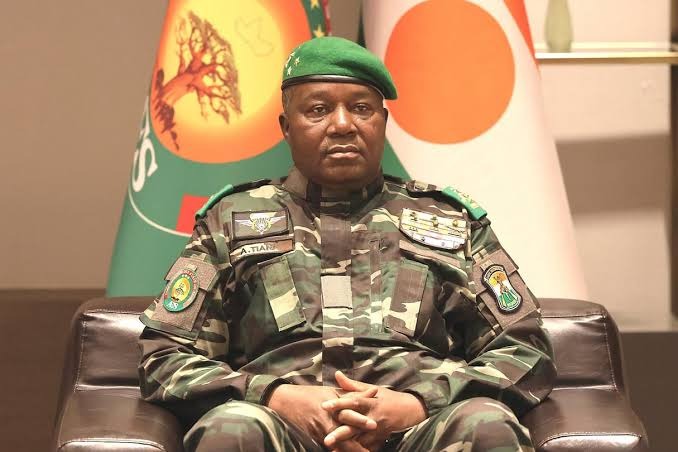
Niger: reshuffle fallout hits households, traders and an economy running on fumes
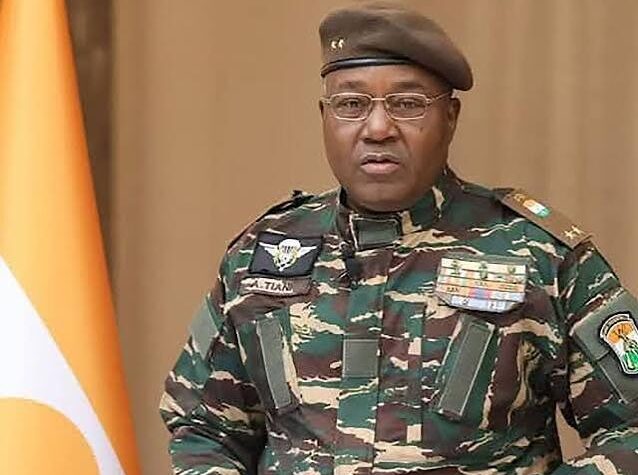
Niger’s military regime cuts off information flow—citizens and economy reel from media blackout
Niger’s fuel subsidy burden: SONIDEP faces 28 billion FCFA loss in 2026