The current political climate in the Senegal is sparking intense debate about the evolving role of the Parliament and the very foundations of governance. Far from being a mere political spectacle, this moment in history invites a deeper reflection on the balance of power within the state and the health of the nation’s democratic system.
a pivotal moment in Senegal’s democratic journey
For decades, Senegal has operated under a political model where the Executive branch dominated decision-making, often overshadowing the Parliament. This imbalance, particularly evident during the presidencies of Abdoulaye Wade and Macky Sall, led to systemic issues, including constitutional manipulations and a weakened separation of powers. The Parliament, once reduced to a mere rubber-stamp institution, now faces a historic opportunity to reclaim its constitutional mandate and assert its role as a genuine counterbalance to the Executive.
This transition is not a sign of instability but rather the natural progression of a maturing democracy. As seen in established democracies like France, where legislative bodies regularly challenge executive proposals and cohabitation is common, power-sharing is not a flaw but a strength. It ensures accountability, prevents power concentration, and fosters a culture of negotiation and compromise.
why this isn’t a crisis, but a democratic renaissance
The current situation in Senegal is often mislabeled as a crisis, but it is, in fact, a renaissance. For the first time in over 20 years, the Parliament is no longer subservient to the presidency, signaling a shift toward a more balanced and functional governance structure. This evolution is not about chaos; it is about institutional maturity and the strengthening of democratic norms.
Countries like Cape Verde, Ghana, Botswana, and South Africa have demonstrated how robust institutions can absorb tensions and convert them into sustainable balances. Their success lies not in the absence of conflict but in their ability to institutionalize checks and balances, ensuring that power is shared and scrutinized. Senegal stands at a similar crossroads, with the chance to join this league of democratic exemplars.
the path forward: strengthening institutions and civic engagement
To solidify this democratic rebirth, Senegal must prioritize several key areas:
- Constitutional stability: Clarify and stabilize the rules governing the separation of powers to prevent future manipulations and ensure long-term institutional resilience.
- Parliamentary empowerment: Foster a culture where the Parliament actively debates, amends, and rejects legislation, thereby reinforcing its role as a co-equal branch of government.
- Civic participation: Encourage citizens to engage more deeply with the political process, from voting to holding representatives accountable, ensuring that democracy remains responsive to the people.
- Transparency and accountability: Strengthen oversight mechanisms to prevent corruption, ensure ethical governance, and rebuild public trust in institutions.
The shift underway in Senegal is not a setback but a step forward. It reflects the growing pains of a democracy in transition, one that is learning to navigate the complexities of power-sharing and institutional balance. The international community and local stakeholders alike should recognize this moment for what it is: an opportunity to build a stronger, more resilient democracy.
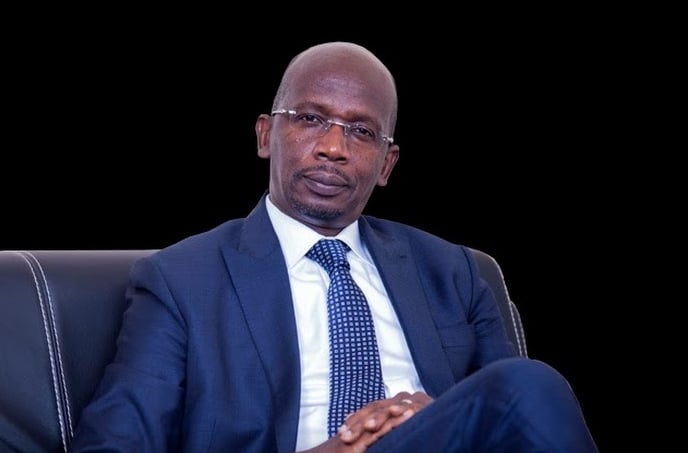
In the words of Lansana Gagny Sakho, President of the Cercle des administrateurs publics, this is not a crisis but a renaissance—one that could redefine Senegal’s democratic legacy for generations to come.