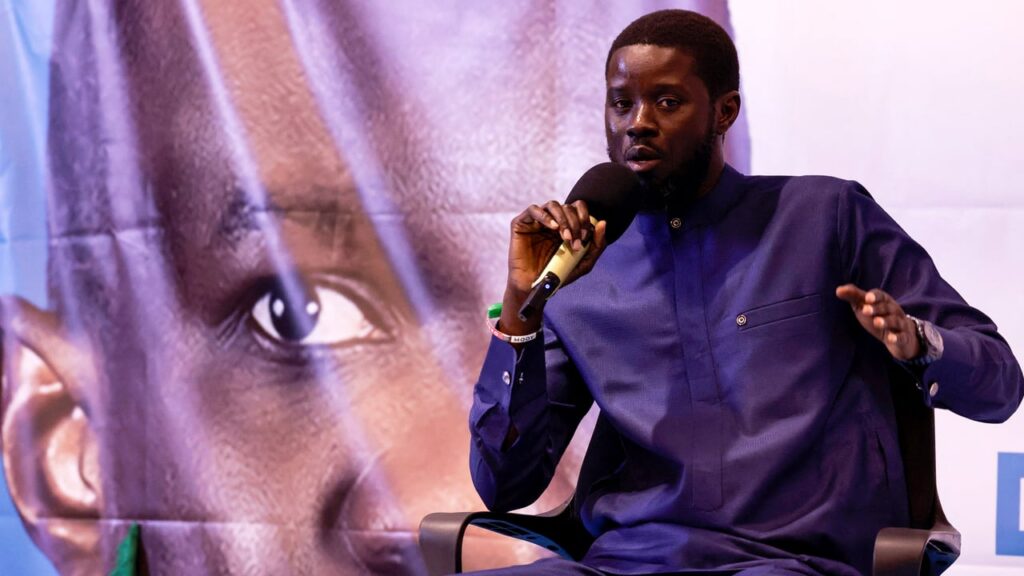

The political landscape of Senegal has been marked by a deepening rift between two prominent figures: Bassirou Diomaye Faye and Ousmane Sonko. What began as a shared vision for change has evolved into a contentious rivalry, reshaping the future of Senegalese politics.
The origins of a fractured alliance
Their paths first crossed in the early days of the Patriotes du Sénégal (PASTEF) movement, where both emerged as vocal critics of the status quo. Sonko, a charismatic opposition leader, and Faye, a former tax inspector turned activist, found common ground in their fight against corruption and economic mismanagement. Their collaboration culminated in Faye’s rise to the presidency, a victory that many saw as a joint triumph for the movement.
Diverging priorities spark tension
Yet, beneath the surface of their shared success, cracks began to form. Faye’s presidency has been defined by bold reforms, including debt renegotiations and austerity measures, which some argue have strained the country’s resources. Meanwhile, Sonko’s influence within the party has waned, leaving many to question whether his ambitions align with the administration’s direction.
The breaking point
Tensions reached a boiling point following a series of public statements where Faye distanced himself from Sonko’s more radical proposals. The final rupture came when Sonko was sidelined in key decision-making processes, a move that underscored the widening gap between the two leaders.
A fractured movement and uncertain future
The split has left PASTEF in disarray, with loyalists torn between loyalty to Faye’s policies and allegiance to Sonko’s legacy. Supporters of both camps have taken to the streets, their protests reflecting the deep divisions within the movement. Analysts warn that this internal strife could weaken the party’s ability to govern effectively, leaving Senegal at a crossroads.
As the dust settles, one question lingers: Can Senegal’s political future survive this schism, or will it be defined by the fallout of this once-united front?