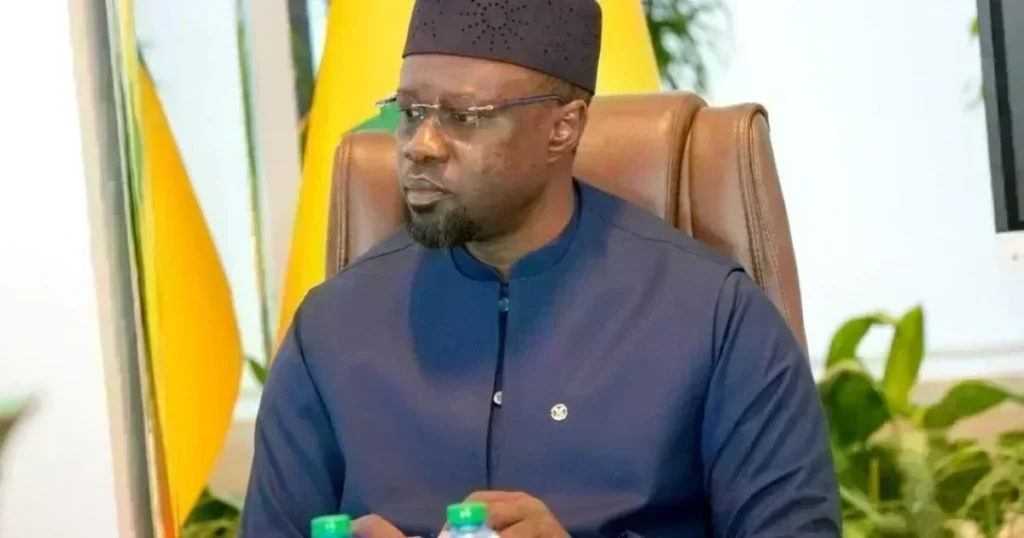
Dakar — The revelation by Senegal’s Prime Minister Ousmane Sonko about the 1.77 billion CFA francs political fund under his control has exposed a decades-old financial mechanism shrouded in opacity. While public attention has focused on the novelty of this disclosure, the system itself is far from new.
An entrenched financial practice
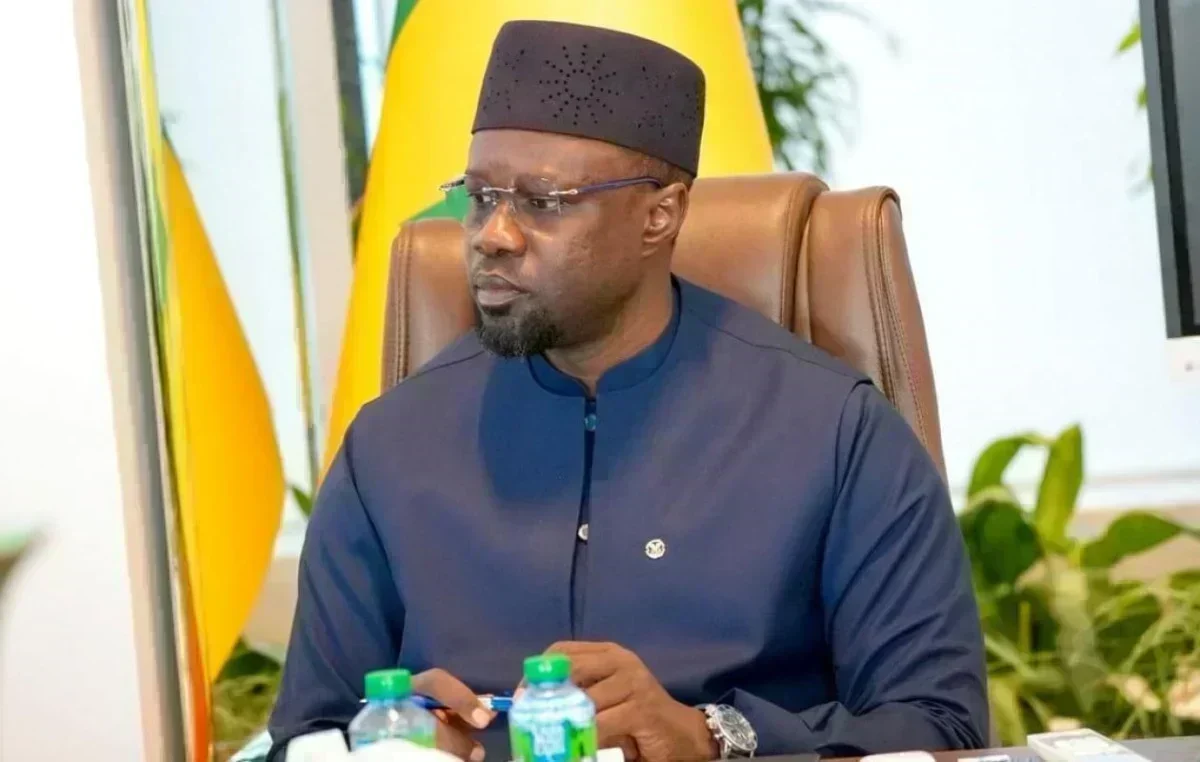
For decades, Senegal’s presidents have managed a discretionary political fund through the presidency. Ousmane Sonko‘s revelation confirmed that prime ministers have also benefited from a similar mechanism, typically receiving around 1.7 billion CFA francs annually — compared to approximately 11 billion for the head of state. This system, operating without public scrutiny, has remained largely unchallenged until recently.
The funds, allocated to the Prime Minister’s Office, were traditionally used for sensitive state missions without formal oversight. While the presidency maintained tight control over its own financial resources, the prime minister’s fund operated under comparable secrecy, with little transparency about its allocation or usage.
Sonko’s admission and its consequences
During a parliamentary session in May 2026, Ousmane Sonko stunned observers by acknowledging the existence of the 1.77 billion CFA francs fund. His previous denial of such resources had fueled speculation, but his sudden transparency marked a turning point in the political narrative. Rather than advocating for abolition, Sonko framed the fund as essential for certain state operations and proposed implementing stricter controls, citing practices from Western democracies where similar mechanisms exist under parliamentary supervision.
This revelation did not emerge in isolation. Sonko’s party, PASTEF, had been advocating for greater transparency in political fund management since 2014, with reform proposals included in its 2019 manifesto. The prime minister’s about-face on this issue has now exposed deep divisions within the ruling coalition, particularly with President Bassirou Diomaye Faye.
The political fallout
The public disagreement between Sonko and the president over the management of political funds came to a head when Sonko suggested greater autonomy for the Prime Minister’s Office. This proposal directly challenged the president’s authority, leading to Sonko’s dismissal. The rupture in their alliance, forged during the 2024 transition, has now reshaped Senegal’s political landscape.
Additional controversy emerged in late July 2026 when Abdourahmane Diouf, Minister of Petroleum and Energy, disclosed that Sonko had requested an additional budget allocation after depleting his annual fund. While the outcome of this request remains unclear, civil society organizations like NGO 3D, led by Moundiaye Cissé, have intensified calls for publishing detailed reports on the utilization of these funds over the past two years.
Calls for transparency escalate
The opacity surrounding political funds has long been a contentious issue in Senegal. Critics argue that the lack of oversight enables misuse of public funds, while proponents maintain the need for flexible financial mechanisms to address urgent state matters. Sonko’s admission has intensified demands for greater accountability, with growing pressure for legislative reforms to bring these funds under formal parliamentary control.


More Stories
Senegal’s local elections: will Bassirou Diomaye Faye’s secrecy backfire?
Can Alain-Georges Moukoko’s green justice background redefine Libreville’s prosecutor’s office?
Can Baudelaire Ndong Ella turn Gabon’s Washington embassy into an economic and security lever?