Côte d’Ivoire takes a giant leap forward in territorial planning
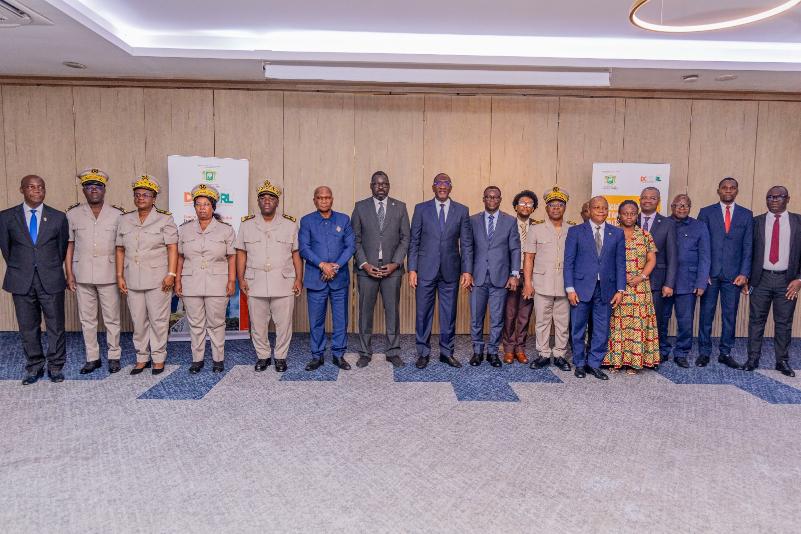
This Thursday in Abidjan, Dr. Souleymane DIARRASSOUBA, Minister of Planning and Development, led the national validation workshop for the study of the National Territorial Development Framework (SNAT CI-2045). The gathering brought together representatives from Republic institutions, prefectural officials, local authorities, technical and financial partners, alongside public administrations, the private sector, civil society, academia, experts, and media representatives.
A strategic roadmap for balanced national development
The SNAT CI-2045 represents the first national reference framework for territorial planning in Côte d’Ivoire. Once adopted, it will equip the State with a comprehensive planning tool to steer public and private investments, enhance the effectiveness of government actions, and promote more balanced regional development across the country.
Under the leadership of President Alassane Ouattara, the Government is reinforcing its strategic planning framework to support the nation’s economic, social, and environmental transformations. Territorial planning stands at the heart of this vision, ensuring investments are distributed more evenly, regional potentials are maximized, and development policies are better aligned.
Transforming spatial planning for long-term growth
The SNAT CI-2045 will serve as the long-term blueprint for spatial organization, guiding where public and private investments should be strategically located. It will harmonize the efforts of the State, local governments, and development actors by assigning specific economic vocations to each territory, fostering a more integrated and purposeful development approach.
As Dr. Souleymane DIARRASSOUBA emphasized, “The 2026-2030 National Development Plan (PND) outlines medium-term priorities and investments for national growth. The SNAT CI-2045 translates these priorities into a territorial framework for the long term and will underpin future National Development Plans. Together, these two frameworks ensure coherent public action across the entire territory. Our mission as the ministry responsible for territorial planning and regional and local development is to secure each region’s rightful place in the national growth story.”
From analysis to action: addressing key challenges
The validated guidelines emerged from a rigorous, multi-scale consultation process that combined scientific rigor with broad participation. The final orientations are based on an in-depth analysis of the national territory and directly address critical challenges: reducing regional disparities, managing urban growth, boosting territorial competitiveness, strengthening local governance, conserving natural resources, and deepening regional integration.
A vision for resilient and inclusive territories
The SNAT CI-2045 embodies a bold vision for Côte d’Ivoire: one where territories are resilient, competitive, and capable of fostering shared prosperity. This vision is structured around five strategic pillars:
- Balanced territorial development to ensure no region is left behind
- An efficient urban and rural network that connects people and opportunities
- Strengthened territorial governance for smarter decision-making
- A high-performing, resilient, and inclusive economy that drives sustainable growth
- Accelerated climate transition to safeguard natural assets and future generations
Next steps: from validation to law
Following the workshop, the draft SNAT will be submitted to the Government for review before being presented to Parliament. Once approved, the law establishing the National Territorial Development Framework will come into force, cementing Côte d’Ivoire’s first-ever national planning reference. This landmark framework will empower the State to direct investments toward regions where their impact will be most transformative, driving a more balanced and sustainable development across the country.




More Stories
Mbappé’s move to PSG: was it a snap decision made on the pitch?
What price did Niger’s junta pay for survival after the August mutiny?
Will Benin’s 6.6 billion FCFA CCI budget for 2027 actually deliver for small businesses?