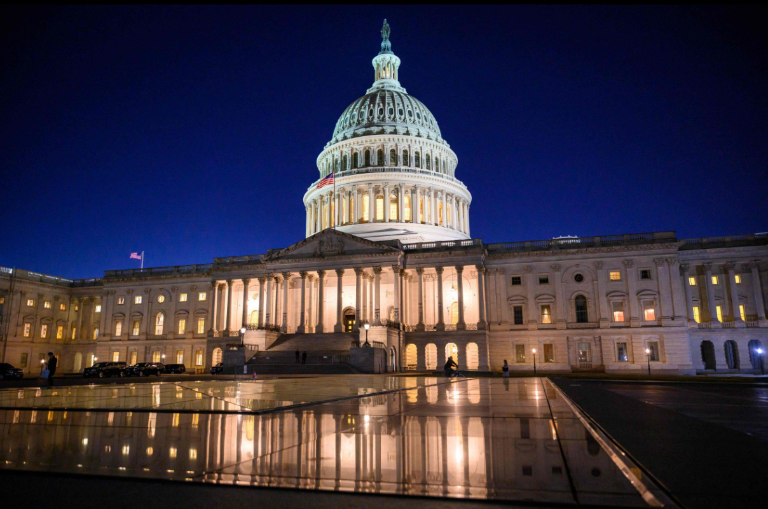
The Democratic Party’s sweeping gains in the 2026 US midterm elections have delivered a stinging rebuke to Donald Trump’s presidency, triggering a cascade of consequences that threaten to destabilize American diplomacy and reshape global power dynamics.
How congressional shifts expose Trump’s foreign policy vulnerabilities
By retaking control of both the House of Representatives and the Senate, Democrats have not only undermined Trump’s domestic agenda but have also stripped away the legislative shield that once enabled his unchecked foreign policy moves. With just two years left in office, Trump now faces a Congress intent on clawing back executive authority—setting the stage for a high-stakes clash over America’s global role.
New congressional powers could restrict Trump’s global maneuvers
Come January 2027, the Democratic-led Congress will wield unprecedented tools to challenge the president’s agenda: budgetary oversight, investigative hearings, the power to block key diplomatic appointments, and the ability to slash funding for military operations or sanctions. While Trump retains his veto power and commander-in-chief authority, these checks could force his administration into risky compromises—or paralyze its foreign policy altogether.
The stakes couldn’t be higher. Allies and adversaries alike are left wondering: Can the US still project a unified global strategy when its own government is locked in internal strife?
From Iran to Ukraine: a fractured strategy raises red flags worldwide
The fallout from Trump’s military engagement in Iran—launched without congressional approval—has become a rallying cry for Democrats eager to rein in executive overreach. By threatening to withhold military funding or demand transparency over covert operations, Congress could curtail Trump’s ability to escalate conflicts, even as the White House insists on maintaining a hardline stance.
Meanwhile, Europe watches with cautious optimism. Trump’s unpredictable approach to transatlantic relations—ranging from lukewarm support for Ukraine to public disputes with European leaders—has left allies scrambling. A Democratic Congress may push for renewed commitments to Kyiv and stronger ties with NATO, but Trump’s stubborn resistance to conceding ground could keep the bloc in limbo.
The commercial front: tariffs, tensions, and unseen economic costs
Trump’s tariff wars have long strained diplomatic ties, but the midterms inject new uncertainty into trade policy. Democrats, historically critical of protectionist measures, could amplify scrutiny over tariff impacts on US consumers and industries. While they lack the power to unilaterally dismantle the measures, their oversight could pressure Trump to soften—or at least justify—his trade agenda.
The ripple effects are undeniable. Steep tariffs on European goods, for instance, have already pushed inflation and strained supply chains. With Congress now able to demand audits or challenge funding allocations, Trump’s leverage in negotiations may soon wane.
For businesses and global markets, the message is clear: political instability at home translates to economic unpredictability abroad.
A superpower on the brink: the cost of internal division
The 2026 midterms have laid bare a critical truth: the United States remains the world’s preeminent military and economic power, but its ability to lead is now hostage to its own political fractures. From Tehran to Brussels, foreign capitals are recalculating their strategies in response to Washington’s paralysis.
Trump’s weakened position raises pressing questions. Will he double down on his confrontational foreign policy to salvage his legacy? Or will he seek détente—at the risk of appearing concessionary ahead of the 2028 election? Either way, the global order faces a period of volatility, as rivals like Russia and China exploit America’s divided house.
The midterms haven’t just reshaped US politics—they’ve redrawn the map of international influence. And in an era where geopolitical rivalries are intensifying, the fallout from these elections could define the decade to come.