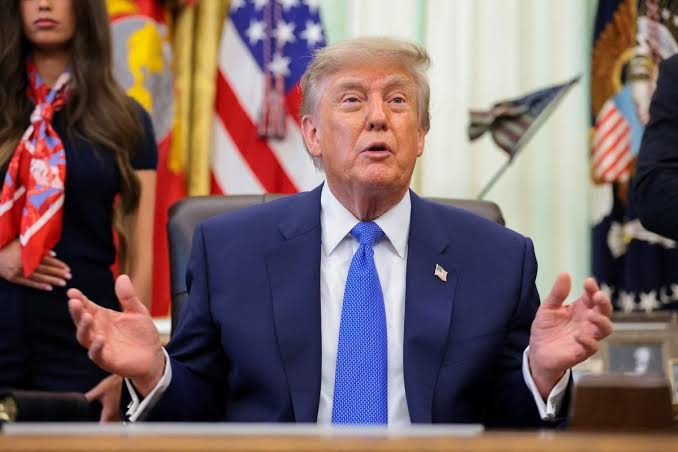
The 2026 US midterm elections, held on November 3, have delivered a seismic shift in Washington’s political landscape. Projections published the following day confirm Democrats have secured majorities in both the House of Representatives and the Senate, taking control when the new Congress convenes in January 2027. With Donald Trump’s final presidential term now facing an opposition-led legislature, the stage is set for dramatic shifts in policy and governance.
The economic anxiety and voter backlash that redefined Capitol Hill
Republicans entered the midterm cycle holding commanding majorities in both chambers, but voter frustration over rising living costs and distrust in government overshadowed their agenda. These themes dominated Democratic campaign messaging, resonating with a broad cross-section of the electorate and tipping key races across multiple states. The Democratic victories did not occur in isolation—they reflected a nationwide rejection of economic policies and leadership priorities that had left many households struggling to keep up with inflation and ever-increasing prices.
Senate shifts: key Republican-held seats fall to Democrats
In a historic shift, Democratic candidates flipped multiple Senate seats previously held by Republicans. Projections indicate victories in states that had long been Republican strongholds: North Carolina, South Carolina, Ohio, Texas, Kansas, Iowa, and Maine. These gains give Democrats the majority needed to steer Senate agendas, confirm judicial nominees, and advance legislation previously blocked by the GOP.
Historic wins and new representation
Among the most watched races was Ohio, where Democratic incumbent Sherrod Brown—who lost re-election in 2024—defeated Republican Jon Husted to reclaim his Senate seat. In Maine, Democrat Troy Jackson unseated veteran Republican Senator Susan Collins, a result seen as a repudiation of her six-term incumbency. Meanwhile, in Michigan, Abdul El-Sayed made history as the projected victor, set to become the first Muslim U.S. senator. Alaska’s race remained too close to call as ballots continued to be tallied.
House of Representatives: suburban districts swing blue
Democrats didn’t stop at the Senate—they also flipped multiple competitive House districts, especially in Florida and Pennsylvania, where rising costs and local concerns about healthcare access tipped the balance. While final tallies were still being processed on November 4, early projections signaled a clear Democratic majority, empowering the party to set the legislative agenda for the next two years.
Divided government forges a new era of confrontation and compromise
The Democratic takeover of both chambers means Washington is entering a period of divided government—one where the White House and Congress are controlled by opposing parties. This structure typically slows legislative progress, but it also increases oversight pressure on the administration. Democrats have signaled their intent to make inflation, consumer protection, and government transparency central to their agenda, while Republicans vow to block more progressive initiatives they view as economically harmful.
Analysts warn that legislative gridlock could intensify in 2027 and beyond, as both sides adopt harder stances and fewer bipartisan deals are struck. Businesses, already grappling with regulatory uncertainty, now face a new layer of unpredictability as policy battles shift from intra-party debates to full-scale inter-party conflict.
What this means for everyday Americans
- Higher taxes and spending battles: With Democrats controlling both chambers, proposals to raise taxes on high-income earners and corporations could gain momentum, potentially affecting investment and job creation.
- Healthcare and prescription costs: Democrats are expected to push for expanded Medicare coverage and lower drug prices, possibly through new federal interventions that could reshape the private healthcare market.
- Climate and energy policies: Expect more aggressive regulations on fossil fuels, faster EV adoption incentives, and increased subsidies for green energy—measures that could alter energy prices and supply chains.
- Education and student debt: A Democratic Congress may revive efforts to cancel student loans or expand free college programs, reshaping financial burdens for millions of families.
- Workers’ rights and wages: Legislative pushes for higher minimum wages, stronger unions, and expanded childcare support could soon move from campaign promises to legislative reality.
Long-term implications for Trump’s legacy and 2028 elections
With Trump’s presidency nearing its conclusion, these midterms serve as a sharp political indictment of his administration’s final two years. The loss of congressional control—especially in key states that helped deliver his 2016 and 2020 victories—sends a ripple effect across the Republican Party as it prepares for the next presidential race.
For Democratic strategists, these gains are more than symbolic; they represent a mandate to reshape the nation’s direction in areas ranging from economic fairness to social equity. But with margins razor-thin in several races and suburban districts narrowly flipped, the durability of this coalition remains uncertain.
The final results and exact size of the Democratic majorities are still pending as vote-counting continues in several tight contests. Still, the clear trend points to a Congress no longer aligned with the White House—a formula for conflict, but also for potentially bold, if contentious, legislative action.