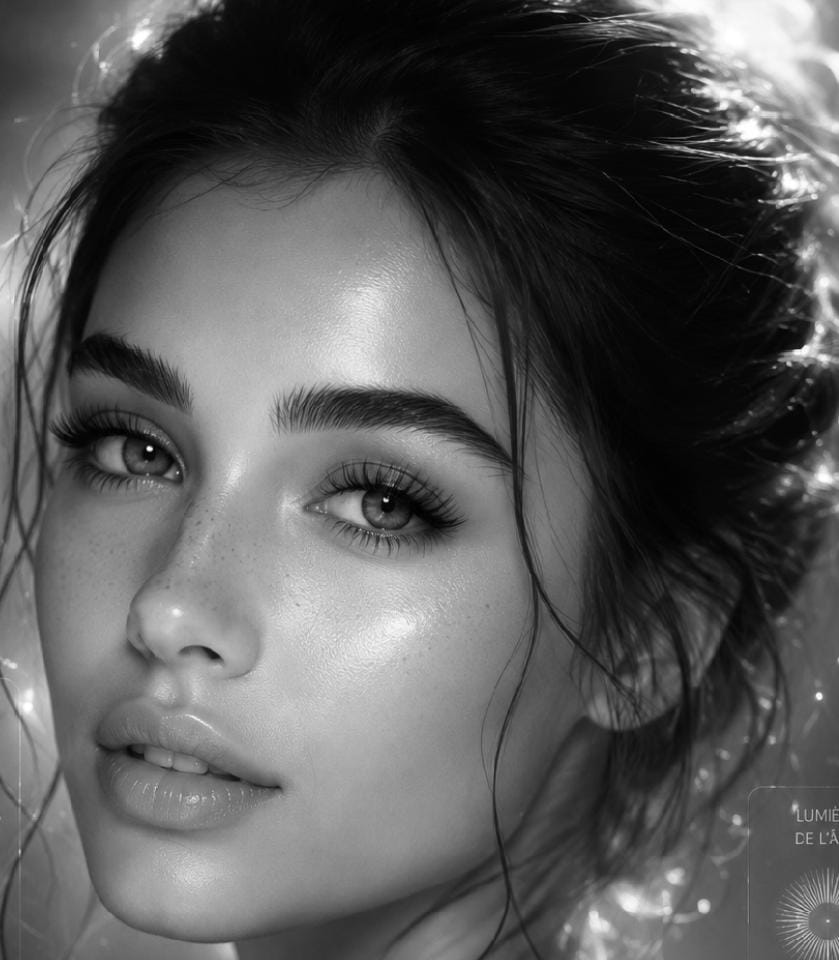
Why social media beauty standards are trapping young women in N’Djamena
In N’Djamena, young women face growing pressure to meet unrealistic digital beauty standards, leading to self-esteem struggles and risky behaviors.
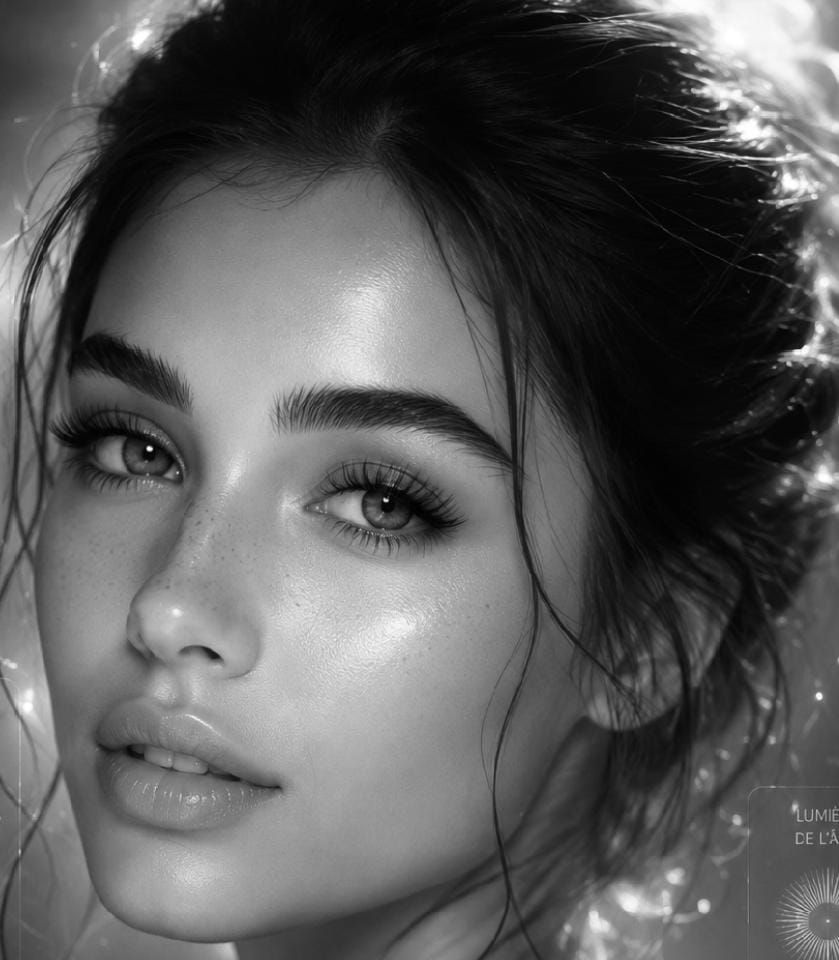
Every scroll through social media in N’Djamena tells the same story: flawless skin, perfectly styled outfits, and curated lives that seem to have it all. But behind these polished posts lies a growing crisis affecting young women across the capital.
The rise of platforms like TikTok, Instagram, and Facebook has introduced a new kind of beauty tyranny. Filters smooth wrinkles, apps reshape bodies, and curated feeds create an illusion of perfection. For many teenage girls, these digital enhancements have become the new normal. The problem? Real life doesn’t come with a retouch button.
Young women in N’Djamena are increasingly measuring their worth against these impossible standards. What starts as harmless fun—editing a selfie or trying a trending makeup look—often escalates into something darker. Some spend hours perfecting their photos before posting, while others delete images that don’t receive enough likes. The approval of strangers online begins to feel like the only validation that matters.
When beauty becomes a financial and psychological burden
The pressure to conform doesn’t stop at the screen. Many young women feel compelled to invest heavily in their appearance—buying expensive clothing, makeup, or even skin-lightening products—often at the expense of their well-being. In a city where economic struggles are real, these choices can lead to debt, stress, or even health risks from unregulated beauty treatments.
Worse still, the obsession with digital perfection can push some toward extreme measures. The demand for lighter skin tones has led to a surge in harmful skin-lightening practices, despite the well-documented health risks. Others develop eating disorders or body dysmorphia, believing they must shrink or reshape themselves to fit an unrealistic ideal.
The illusion behind the filters
What most users don’t see is the careful staging behind viral posts. Influencers curate their content meticulously, using professional lighting, strategic angles, and heavy editing. The result? A carefully constructed fantasy that bears little resemblance to reality. Yet for impressionable young minds, this fantasy becomes the benchmark for success and self-worth.
This isn’t just about vanity—it’s about identity. When a generation grows up believing their value is tied to their appearance, something fundamental is lost. Talents, intelligence, and character take a backseat to aesthetics. The consequences ripple beyond individual self-esteem, shaping societal expectations and limiting opportunities.
Breaking free from this cycle starts with awareness. Parents, educators, and communities must have open conversations about the dangers of digital perfectionism. Schools in N’Djamena are beginning to introduce media literacy programs, teaching young women to critically assess the content they consume. Meanwhile, mental health professionals warn that unchecked social media use can lead to long-term psychological damage.
The message is clear: beauty should never be a cage. While social media trends will continue to evolve, one truth remains constant—self-worth comes from within, not from an app.