Iran tensions flare as election day looms
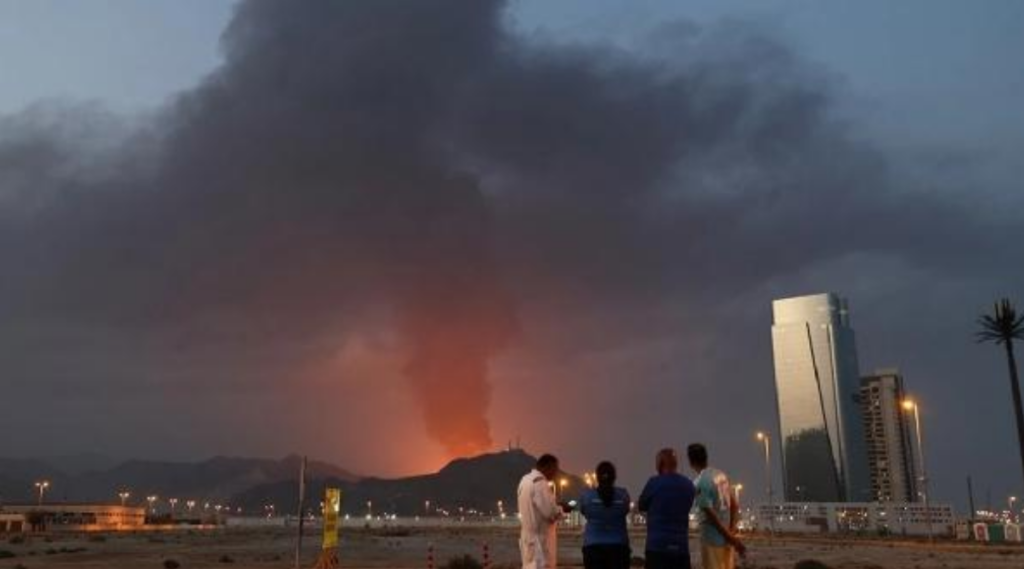
As the nation prepares to cast ballots in the midterm elections, President Donald Trump has made a decisive military move that may reshape the campaign’s final hours. Late Monday, US forces conducted strikes against Iranian targets on Qeshm Island in the strategic Strait of Hormuz, a move framed as defensive but timed perilously close to a pivotal vote. The operation directly contradicts earlier assurances from the White House that no military action would be taken against Iran before polling day.
Economic anxiety meets military escalation
For millions of Americans, the timing of these strikes is more than a geopolitical chess move—it’s a threat to household budgets. Rising fuel prices have featured prominently in voter complaints across the country, and any disruption to oil flows through the Strait of Hormuz raises immediate concerns about pump prices and inflation. With the election just hours away, the president now faces a delicate balancing act: asserting American strength while steering clear of actions that could further inflate living costs.
The Strait of Hormuz is no minor detail in global trade—it handles nearly one-third of the world’s seaborne oil supply. Any prolonged disruption, whether caused by Iranian retaliation or a broader military escalation, could send energy prices soaring and deepen public discontent. Voters already frustrated by economic pressures may now view the administration’s aggressive stance as out of touch with their daily struggles.
What the polls reveal before election day
Recent surveys paint a stark picture of voter sentiment, with only a minority supporting continued military engagement in the region. While public opinion has fluctuated over time, the latest figures suggest that a majority of Americans disapprove of the ongoing conflict—and increasingly blame Washington for its economic ripple effects. The timing of these strikes could easily reinforce the narrative that foreign policy decisions are prioritized over domestic economic recovery.
Democratic strategists are expected to use the operation as evidence of reckless leadership, while Republican candidates may face growing pressure to justify their support for a president willing to escalate military action in the final hours of the campaign.
Congress under the spotlight: who really controls foreign policy?
If the midterm results tip control of the House or Senate to Democrats, the legislative branch could gain powerful tools to scrutinize the administration’s decisions. Expanded oversight hearings, budgetary restrictions on defense spending, and formal inquiries into the legal basis for military operations are all potential consequences. A Republican defeat would not only limit Trump’s legislative agenda but also shift the balance of power in setting America’s foreign policy direction.
The White House insists the strikes were necessary to protect national interests, but critics argue the move risks escalating a conflict that could spiral into a broader regional war—one with consequences for military families, taxpayers, and the economy at large.
From diplomatic maneuver to election wildcard
Few military decisions in modern history have been made at such a politically sensitive moment. The strikes in the Strait of Hormuz were not merely a response to a single incident—they reflect a high-stakes gamble on the eve of an election that could redefine the president’s legacy and the direction of US foreign policy for years to come. Whether voters interpret the move as strength or overreach may ultimately determine who makes it to Capitol Hill in January.
As ballots are counted, one thing is clear: the administration’s final-hour military action has turned the Strait of Hormuz into more than a strategic waterway. It has become a symbol of the broader trade-off between security and prosperity—and a defining issue in the midterm campaign.