
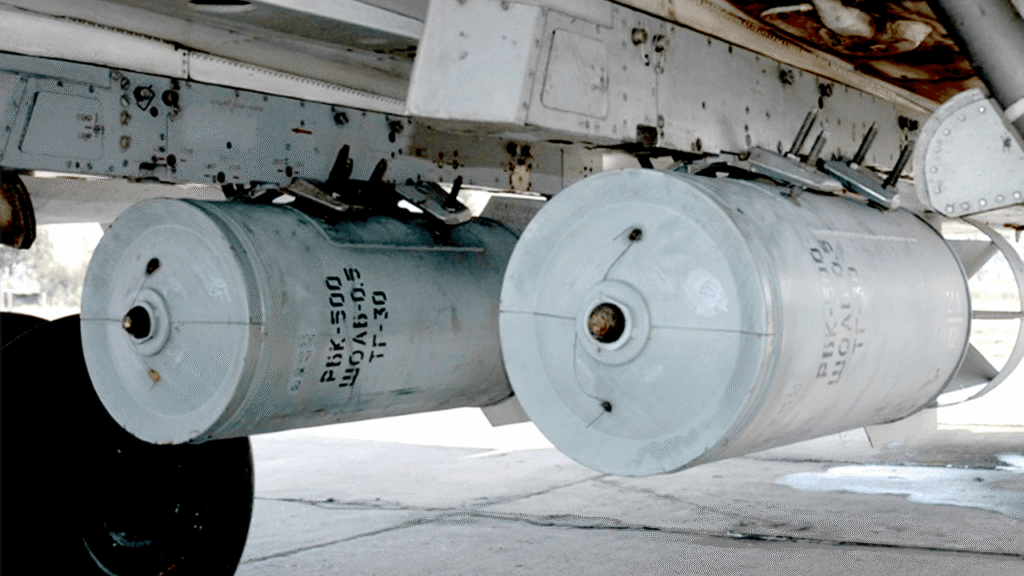

Compelling visual evidence has emerged documenting the use of cluster munitions during recent military operations in Mali. The imagery, captured and analyzed by independent investigators, shows remnants of Soviet-era submunition devices scattered across targeted zones, raising serious concerns about international humanitarian law compliance.
These findings highlight a disturbing pattern of indiscriminate weapon deployment that risks civilian lives long after initial strikes. Cluster munitions, banned under international conventions due to their wide-area effects and persistent danger to non-combatants, appear to have been employed in populated regions, according to forensic examination of the recovered fragments.
Key discoveries from the investigation
The analysis reveals several alarming details:
- Multiple strike sites across central and northern Mali show consistent evidence of cluster munition deployment, with high-resolution photographs documenting the distinctive bomblet casings;
- Examination of the remnants confirms they match Soviet PTAB-1M submunition models, designed to penetrate armored vehicles but notorious for their high dud rates that create long-term hazards;
- Local testimonies collected from affected communities describe unexploded ordnance posing ongoing threats to farmers, children, and livestock in areas previously declared safe.
Implications for regional security and humanitarian efforts
The use of such weaponry contravenes Mali’s obligations under international treaties, including the Convention on Cluster Munitions. Human rights observers warn that these incidents could exacerbate existing displacement crises and hinder reconstruction efforts in communities already struggling with conflict-related instability.
Military analysts note that while state forces have not officially acknowledged these operations, the visual evidence appears consistent with documented patterns of aerial bombardment. The timing of the strikes coincides with intensified counterinsurgency campaigns in regions known to harbor armed groups.
International response and legal considerations
Legal experts emphasize that the deployment of cluster munitions in civilian areas may constitute war crimes under international humanitarian law. The United Nations and regional bodies have previously condemned similar incidents in Mali, calling for transparent investigations and accountability for responsible parties.
The discovery comes at a critical juncture as Mali continues to navigate complex security challenges involving multiple armed factions. Humanitarian organizations are particularly concerned about the long-term impact on vulnerable populations, especially in rural areas where clearance operations remain sporadic.
As investigations continue, the international community faces mounting pressure to address the humanitarian fallout from these controversial military tactics. The visual evidence serves as a stark reminder of the urgent need for stricter enforcement of arms control agreements to protect civilian populations in conflict zones.




More Stories
Niger: Tiani faces fallout from special forces anger after Russian intervention
Crisis in Niger, IMF agreement in Sénégal, and Moroccan elections: Five essential stories
RDC-Israël : un rapprochement aux enjeux multiples