Burkina Faso president condemns centuries of arab slavery in africa
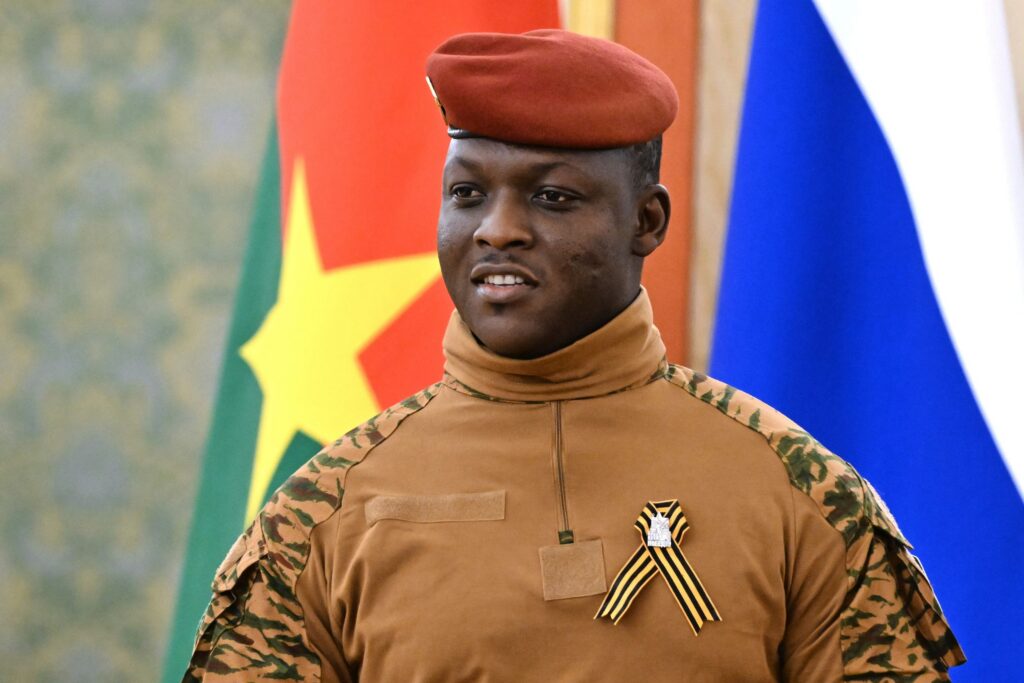
In a televised address, Burkina Faso’s Head of State, Captain Ibrahim Traoré, courageously addressed the historical injustice of centuries of slavery imposed by Arab powers on African populations—a statement that has sparked intense debate across the Muslim world.
The President’s remarks, delivered during a nationwide broadcast, marked a rare public acknowledgment of a long-silenced historical grievance. By confronting this taboo subject, Ibrahim Traoré has reignited discussions on the legacy of trans-Saharan slavery and its lingering impact on African societies today.
His speech did not merely recount historical facts—it framed the issue as a moral imperative for modern African leaders to address. The Captain emphasized that confronting uncomfortable truths about the past is essential to dismantling radical ideologies that distort Islamic teachings for political ends. This bold stance has drawn both praise and criticism from Muslim communities across Africa and the Middle East.
a controversial stance in the muslim world
The President’s words resonated particularly strongly among historians and activists who have long documented the scale of Arab-led slavery in Africa. From the 7th century onward, millions of Africans were forcibly transported across the Sahara and beyond, with entire communities erased from history. Traoré’s willingness to name this injustice publicly represents a watershed moment in African political discourse.
Critics, however, argue that his comments risk polarizing religious communities. Some Islamic scholars contend that historical grievances should not be weaponized in contemporary political struggles, warning that such rhetoric could deepen sectarian divides within Africa’s diverse societies.
linking past injustices to present-day radicalization
In his address, Ibrahim Traoré drew a direct connection between historical slavery and the rise of extremist ideologies in the Sahel. He asserted that groups exploiting Islamic teachings to justify violence are perpetuating the same dehumanizing logic that fueled the trans-Saharan slave trade. This perspective has gained traction among observers who see radical Islamist movements as modern incarnations of historical oppression.
The President’s speech follows a broader regional trend of African leaders challenging foreign narratives about Islam and governance. While some governments have historically downplayed the impact of Arab slavery to avoid diplomatic tensions, Traoré’s approach prioritizes historical truth over political expediency.
public reaction and regional implications
Reactions to the address have been swift. In Burkina Faso, civil society groups have lauded the President’s courage, while Islamic organizations have called for measured dialogue. Internationally, the speech has been met with a mix of curiosity and concern, particularly in countries with historical ties to both Africa and the Arab world.
As debates intensify, one thing is clear: Ibrahim Traoré’s intervention has forced a long-overdue conversation onto the continental stage. Whether this leads to reconciliation, further division, or a deeper reckoning with history remains to be seen—but the conversation has undeniably begun.