 Premium content
Why Serie A’s cardiac exams blocked Anan Khalaili’s Inter Milan transfer
The Belgian Union Saint-Gilloise midfielder failed his medical exams for Inter Milan. What’s behind Italy’s strict cardiac screening rules?
- Updated July 13, 2026 at 4:06 PM

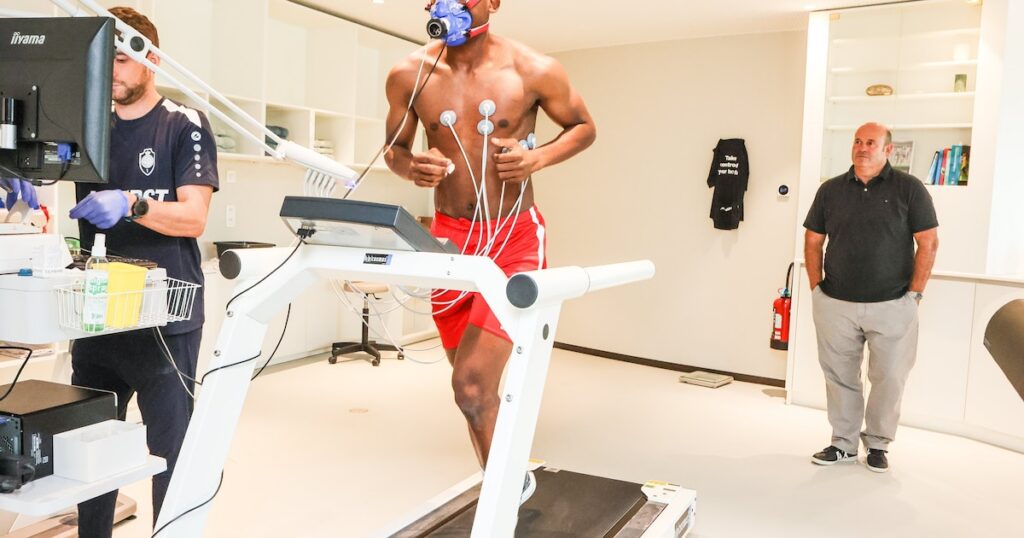
Anan Khalaili’s move to Inter Milan collapsed after he failed additional cardiac exams at Milan’s Humanitas Hospital on Monday. Earlier weekend screenings had already raised concerns, prompting deeper analysis. While specifics remain private, one thing is clear: Italian football enforces stricter heart health protocols than most leagues. This could even pave the way for the Israeli midfielder to join another European side with less stringent rules.
Every professional footballer must undergo standardized medical tests at accredited centers before signing a contract. If initial results raise doubts—especially regarding cardiac function—specialists conduct further evaluations. In Italy, these follow-up checks are mandatory and non-negotiable. Unlike in other leagues, the final clearance isn’t left to clubs or players; an independent body makes the call.
Zero tolerance for risk
Italian clubs have no wiggle room. If a player fails, they’re disqualified from competition—period. This rigid system traces back to 1982, when Italy’s Health Ministry designated specialized sports medicine centers. A 1995 decree later reinforced these standards, mandating advanced echocardiograms and stress tests for athletes.
Paolo Zeppilli, a leading sports cardiologist who worked with the Italian Football Federation, argues the approach is ethical. “Our strict protocol may spark debate,” he told Gazzetta dello Sport, “but we prioritize safety. If an athlete’s life is at risk on the pitch, we won’t allow it. Frankly, other leagues should adopt stricter measures too.”
Real-world consequences
The cases of Edoardo Bove and Christian Eriksen highlight the stakes. Both suffered cardiac arrests mid-game—Bove in Serie A, Eriksen at Euro 2021. Neither could resume play in Italy, though Eriksen later restarted his career in England, where regulations differ. Yet even abroad, his health remains precarious after another scare in June.