The appointment of Captain Elvire Toupé as aide-de-camp to Benin’s President Romuald Wadagni has sparked optimism about advancing women’s roles in governance. This historic decision follows her selection during the first cabinet meeting on May 28, marking her as the first Beninese woman to hold this position since the country’s independence on August 1, 1960.
Breaking barriers in Benin’s military and political spheres
Captain Toupé, previously serving in the Republican Guard, now stands as a trailblazer for women in Benin’s armed forces. Her appointment underscores a growing recognition of female leadership in sectors traditionally dominated by men. While this milestone is celebrated, the broader landscape of women’s political participation in Benin remains uneven, with women still underrepresented in elected and appointed roles.
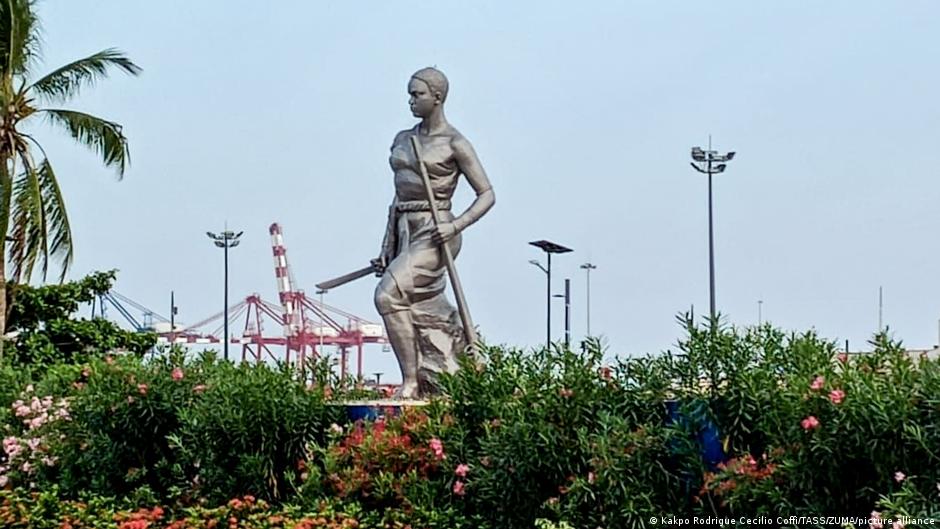
Honoring the legacy of the Dahomey Amazons
Analysts and journalists alike draw parallels between Toupé’s appointment and the legendary Agodjié—the elite female warriors of the Dahomey Kingdom, often referred to as the Amazons. Régis Hounkpè, a geopolitical analyst and director of InterGlobe Conseils, highlights the symbolic significance of this move:
“These women serve as powerful role models. Young Beninese girls look up to them, and the Amazons have been restored to a central place in the nation’s collective imagination—both in communities and decision-making circles. The conversation around women’s roles in Benin’s public sphere has never been more prominent.”
Wuldath Moussa Mama, a journalist, echoes this sentiment, framing Toupé’s appointment as a potential turning point:
“Is this an exception that proves the rule, or is it the start of a deliberate push to empower women in Benin? Only time will tell, but it does signal an opening that could encourage more women to step forward and claim their space in politics.”
Mixed progress in women’s political representation
Benin’s current government includes six women among its 23 members, covering portfolios such as Foreign Affairs, Higher Education, Family and Social Action, Domestic Trade, Employment and Vocational Training, and Communication. While this represents an improvement from the previous administration—led by Patrice Talon—where only five women served in a 23-member cabinet, advocates argue that much work remains.
The country’s 10th legislature, inaugurated in February 2026, includes 28 female deputies out of 109 total seats, accounting for 25.7% of the assembly. This figure mirrors the representation in the previous term. A provision in the electoral code mandates one seat per constituency for women, resulting in 24 of the 28 female deputies being elected under this quota. The remaining four secured their positions independently.
Wuldath Moussa Mama points to deeper structural challenges:
“The progress is real, but the picture is still incomplete. The issue lies in how political parties operate—how they recruit, train, and elevate women within their ranks. Without addressing these internal dynamics, true inclusivity will remain out of reach.”
Symbolism vs. substance in women’s leadership
The vice presidency, held by Mariam Chabi Talata Zimé Yérima since 2021, is another example of symbolic progress. While her role is constitutionally limited to ceremonial duties, her presence has sparked debates about the balance between representation and meaningful participation. Critics argue that without expanded roles in governance, such appointments risk being little more than gestures.