Gabon and France forge a new partnership era
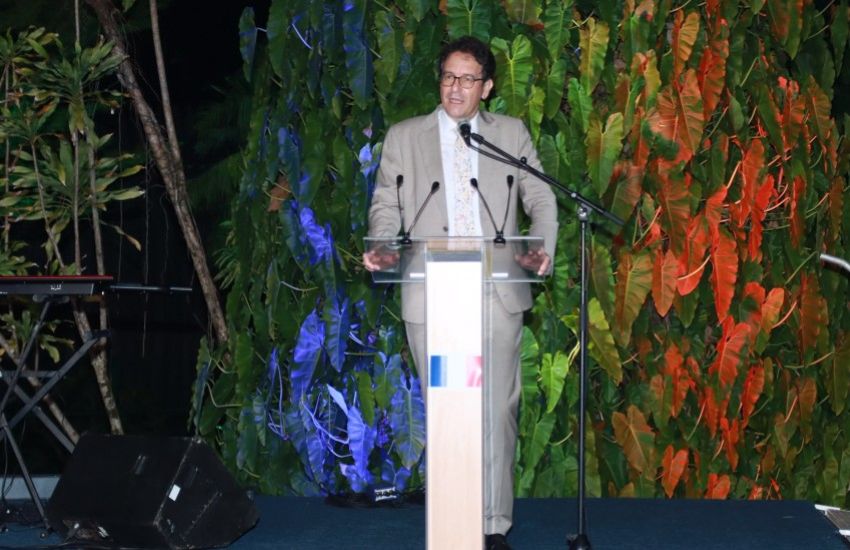
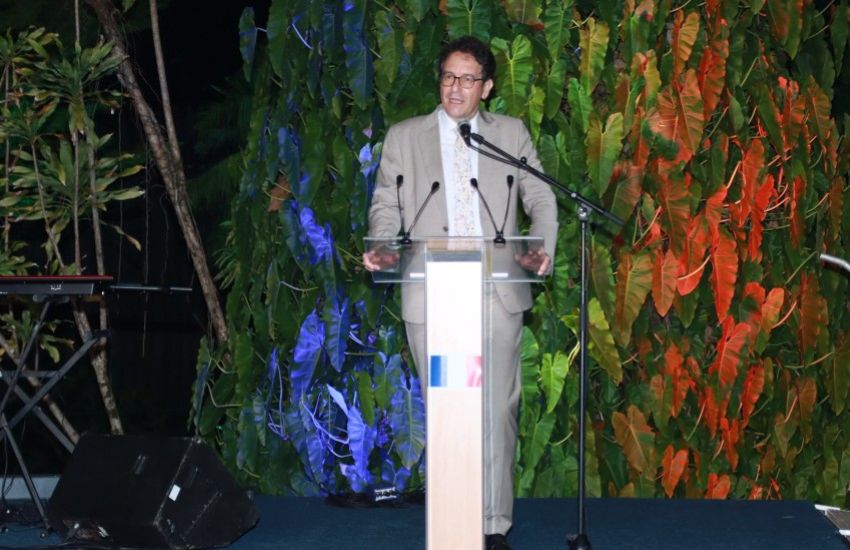
Libreville, Thursday, July 16, 2026 – The Bastille Day celebration in Libreville on July 14, 2026, transcended a mere national holiday. French Ambassador Fabrice Mauriès seized the occasion to articulate a profound shift in the dynamic relationship between Paris and Libreville, outlining a clear vision for their renewed engagement.
Three pivotal announcements emerged from this diplomatic sequence: the impending state visit of Gabonese President Brice Clotaire Oligui Nguema to France, the definitive transformation of the Camp De Gaulle military base, and the establishment of a Gabonese national financial prosecutor’s office. While distinct, these initiatives collectively chart a new course for the Franco-Gabonese partnership, signaling a comprehensive redefinition.
In a global landscape characterized by intense geopolitical competition, escalating demands for sovereignty across Africa, and evolving strategic alliances, Gabon is increasingly observed as a crucial case study in the development of contemporary relations between Europe and the African continent.
A state visit beyond mere symbolism
The confirmation of the Gabonese President’s state visit to Paris represents the most powerful political signal exchanged between the two capitals since the transition initiated in 2023. Within French diplomatic protocol, a state visit signifies the highest level of recognition bestowed upon a foreign leader.
This decision underscores Paris’s commitment to supporting Gabon’s new institutional trajectory while acknowledging the restoration of constitutional order following the presidential election. The French Ambassador emphasized a fundamental principle: the Gabonese transition is an internal matter for Gabon. France played no direct role in its unfolding but remains a dedicated partner committed to the success of the process.
This nuanced stance is particularly vital in an African context where former colonial powers frequently face accusations of political interference. Paris appears to be shifting its approach, favoring accompaniment and cooperation over direct influence or tutelage.
Ending a military era
The future of Camp De Gaulle stands as perhaps the most tangible symbol of this transformation. For decades, this French military installation epitomized Paris’s strategic footprint in Central Africa. Its announced restructuring marks the conclusion of a historical cycle that began in the aftermath of African independences.
The revised military framework will prioritize operational partnerships, training initiatives, joint exercises, and maritime security, rather than a substantial permanent deployment of French troops. This evolution aligns with France’s updated doctrine on the African continent, which now emphasizes targeted collaborations tailored to the specific priorities of partner states.
For Gabon, this transformation also presents an opportunity to bolster its indigenous military capabilities and reinforce its strategic sovereignty, all while preserving its historical ties with its French ally. The announcement of upcoming joint projects in the maritime domain exemplifies this desire to cultivate cooperation that is more acutely focused on shared interests, particularly in safeguarding the Gulf of Guinea, which has emerged as one of the continent’s most strategically vital maritime zones.
Financial justice and new governance
The third announcement could prove to be the most impactful in the long term. The creation of a Gabonese national financial prosecutor’s office addresses a global imperative: to strengthen mechanisms for combating corruption, illicit financial flows, and economic crime.
This issue holds particular sensitivity for a nation rich in oil, manganese, and other natural resources, where effective management is paramount for development. The French Ambassador highlighted that this judicial cooperation would operate reciprocally, a clarification that reflects a desire to establish more equitable relations between the two legal systems.
This initiative aligns with the Gabonese authorities’ stated ambitions regarding transparency, economic governance, and the modernization of public institutions. Beyond judicial matters, cooperation also encompasses efforts against drug trafficking, border surveillance, internal security, and enhancing the operational capacities of Gabonese forces.
Collectively, these initiatives define the contours of a bilateral relationship increasingly rooted in governance, shared security, and economic development, rather than solely on historical legacies. The July 14 address in Libreville will likely be remembered as a moment when France and Gabon officially embarked on a new chapter in their shared history.
It represents neither a complete break nor a blind continuation, but rather the deliberate construction of a more balanced, pragmatic partnership better suited to the geopolitical realities of the 21st century. The true challenge now lies in translating these diplomatic declarations into tangible outcomes for the populations of both nations and for the broader stability of Central Africa.