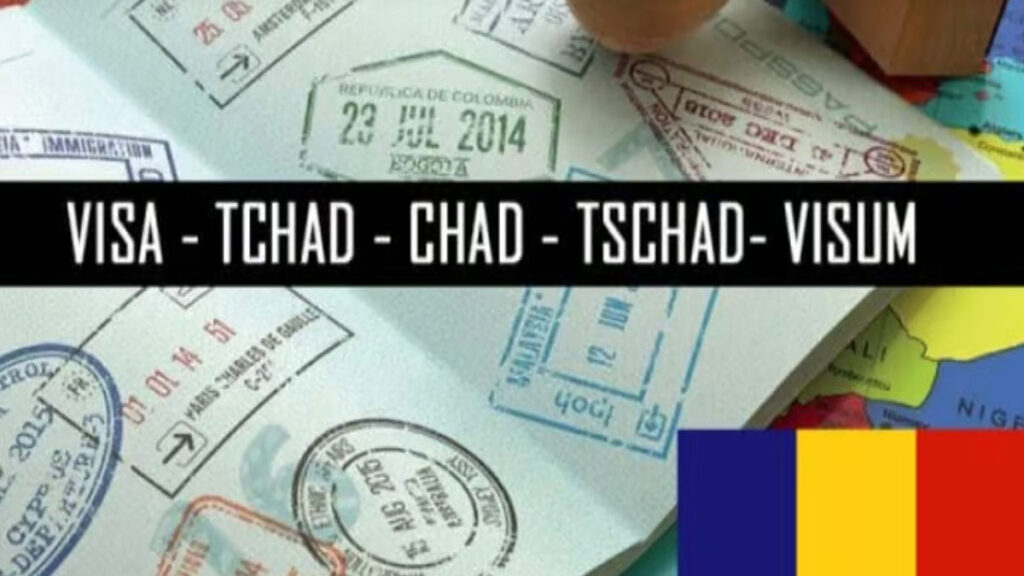
The Republic of Chad is taking a bold step toward continental integration. Starting January 1, 2027, all African citizens will be able to enter the country without a prior visa requirement. This landmark decision was unveiled by President Mahamat Idriss Déby Itno during the opening of the Africa Water Forum in N’Djamena, an event supported by the World Bank.
From the new year onward, holders of valid African Union passports will enjoy visa-free access to Chad, eliminating bureaucratic hurdles that have long hindered mobility across the continent. The announcement positions N’Djamena as a trailblazer in Africa’s free movement movement, joining a select group of nations—including Rwanda, Benin, Gambia, Kenya, and the Seychelles—that have embraced borderless travel.
Chad breaks new ground in Africa’s integration drive
Historically, Central Africa has been known for its restrictive border policies, making cross-border travel a challenge. By scrapping visa requirements, Chad—a landlocked nation at the crossroads of the Sahel, North Africa, and Central Africa—is challenging long-standing norms. The move signals a strategic shift toward fostering economic and cultural ties with neighboring and distant African states alike.
“This decision will allow African travelers to enter Chad without prior visa formalities, unlocking new opportunities for trade, diplomacy, and cultural exchange.” — Mahamat Idriss Déby Itno, President of the Republic of Chad
A strategic move for the African Union’s vision
The announcement carries significant political weight. The African Union has long championed the Agenda 2063, which includes the creation of an African Continental Free Trade Area (AfCFTA) and the establishment of a unified African passport to ease movement across the continent. By removing visa barriers, Chad aligns itself with these continental goals, aiming to:
- Boost intra-African trade: Ease travel for businesspeople, investors, and entrepreneurs across the continent.
- Enhance regional cooperation: Strengthen scientific, cultural, and technical partnerships among African nations.
- Stimulate tourism: Attract visitors and invigorate the hospitality sector in Central Africa.
Balancing openness with security concerns
While the policy has been widely praised by pan-African advocates, its implementation by 2027 will demand meticulous planning. Chad shares borders with regions facing security challenges, including Sudan, Libya, the Central African Republic, Niger, and Nigeria. Securing air and land entry points will require advanced digital systems and robust inter-agency coordination to ensure national safety without compromising travel fluidity.
The government is expected to leverage technology, such as digital border management and real-time data sharing, to streamline arrivals while maintaining rigorous security protocols. This dual approach aims to create a seamless yet safe travel experience for visitors.
With this bold initiative, N’Djamena is positioning itself as a leader in Africa’s integration journey, setting an example for other nations to follow in dismantling barriers to continental unity.