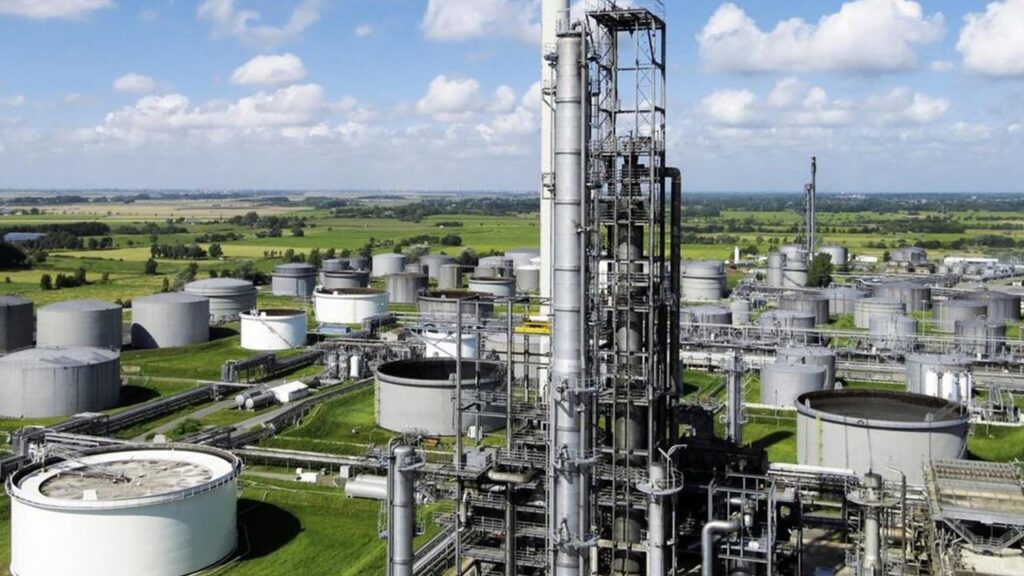

The national refinery operator Sonara is making a strategic pivot in its operations. After years of collaboration with Parras 24, the company has decided to end this partnership and instead strengthen its ties with public entities. This move aims to enhance efficiency and align with national economic priorities.
Rethinking the refinery’s operational model
For over a decade, Sonara has relied on Parras 24 to manage critical aspects of its refining operations. However, recent evaluations revealed that a shift toward a public-private model could yield better results. The decision reflects a broader trend in Cameroon’s energy sector, where state involvement is being prioritized to secure supply chains and stabilize fuel prices.
The transition is expected to bring several advantages. By collaborating directly with government agencies, Sonara can streamline decision-making processes, reduce operational redundancies, and ensure tighter control over pricing policies. Industry analysts suggest that this move could also attract additional public investment into the refinery’s infrastructure.
Challenges and expectations
While the new strategy holds promise, it is not without risks. Integrating public sector stakeholders into Sonara’s operations may introduce bureaucratic hurdles. Additionally, the refinery must maintain operational continuity during this transition period to avoid disruptions in fuel supply across the country.
Company executives have acknowledged these challenges but remain confident. “This partnership will reinforce our operational resilience and position Sonara as a key player in Cameroon’s energy security,” stated a senior official. The refinery also plans to implement training programs to upskill its workforce for the new model.
What’s next for Sonara?
Over the coming months, Sonara will finalize agreements with relevant government bodies and phase out its reliance on Parras 24. The refinery’s leadership has expressed optimism about the long-term benefits of this strategic shift, which is expected to modernize its operations and contribute to Cameroon’s energy independence.