
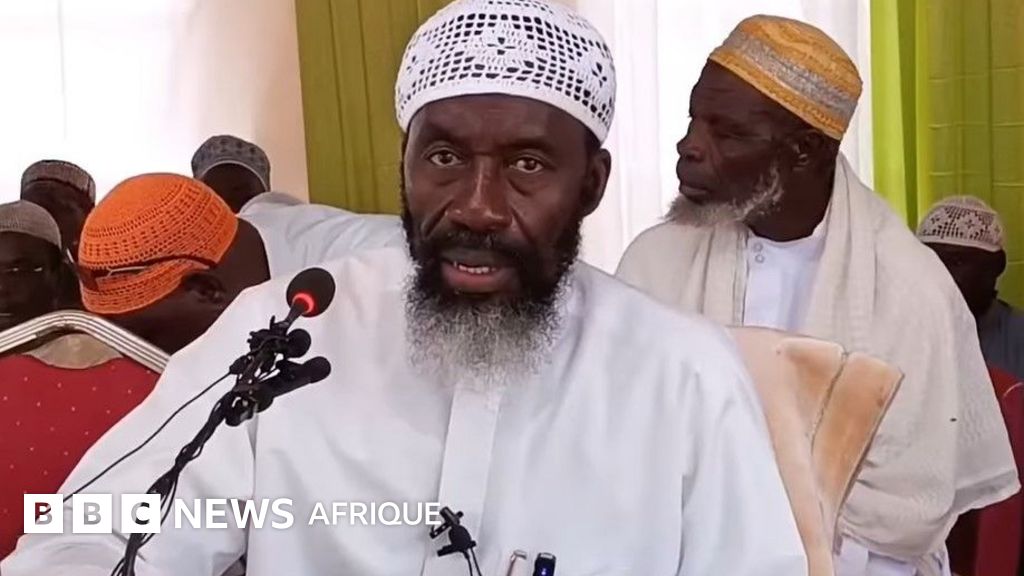
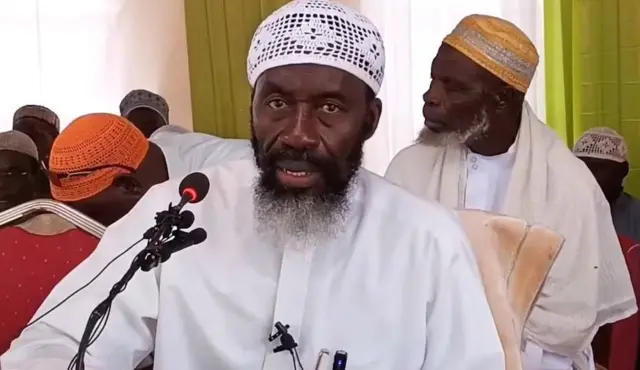
The arrest of influential Sunni imam Mohamad Ishaq Kindo, president of the country’s Sunni Oulema Association, has sent shockwaves through Burkina Faso. The cleric was taken into custody on Tuesday, May 26, in Ouagadougou by masked security personnel—police and military—acting without disclosure of official charges. His detention followed sharp public criticism of a new religious freedoms law passed on March 19, according to statements from associates and Muslim organizations.
Operation conducted under Eid pressure
The arrest took place at approximately 2:00 PM local time—just one day before Eid al-Kabir, a major Muslim holiday. Eyewitnesses described a heavy-handed operation involving hooded security forces, which triggered immediate resistance from Kindo’s followers. Clashes broke out, resulting in injuries among the worshippers gathered nearby.
One associate confirmed that “the scene turned tense as believers tried to protect the imam, leading to scuffles with the intervention team.” The Federation of Islamic Associations of Burkina (FAIB) released a statement the same afternoon, confirming the arrest and noting that “no official explanation has been provided regarding the circumstances of the detention.”
The organization also revealed it had initiated formal inquiries with competent authorities to obtain clear information and seek a favorable resolution.
Public backlash and calls for calm
Within hours, hundreds of Muslims took to the streets of Ouagadougou, demanding the imam’s immediate release. Protesters were dispersed using tear gas, according to testimony collected on-site. In response, FAIB urged all believers to “maintain calm, restraint, and composure” during this delicate moment.
Days earlier, a widely shared video showed Kindo delivering a sermon in which he warned authorities against restricting public prayer. “Whether you are a leader or a powerful figure, you possess neither the strength nor the power of God,” he declared, urging caution against any move to ban prayers in public spaces.
No official statement from authorities
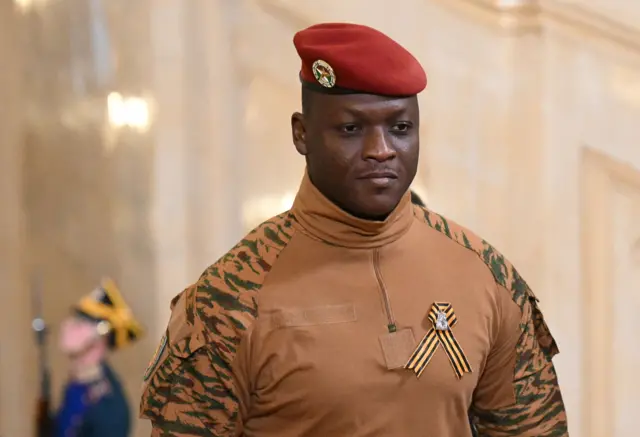
On the second day after Kindo’s detention—coinciding with Tabaski—the country observed relative calm among the religious community, though scrutiny over the cleric’s fate remains high. Following his Tabaski prayers, the President of Burkina Faso addressed the nation on social media, paying tribute to security forces battling jihadist insurgency. He warned enemies of the state against “attempting to undermine morale, discourage our fighters, or disrupt national stability.” Any such actions, he stressed, would carry full legal consequences.
As of now, no official statement has been made regarding the detention of Imam Kindo.
New religious freedoms law under scrutiny
The controversial law regulating religious freedoms, adopted by the Council of Ministers on March 19, serves as the backdrop to Kindo’s arrest. Authorities describe it as a response to rising online radicalization, hate speech, and violent extremism—issues they argue threaten national cohesion.
Key provisions include a ban on building places of worship in public administration buildings, with exceptions for health facilities, prisons, and military barracks. While public prayer remains permitted, it must respect the beliefs of others and be conducted without disrupting public order.
Mariem Sanogo, Director General of Religious, Customary, and Traditional Affairs, previously told national media that the law was not new but had been updated “to counter violent extremism and online incitement.” The government insists the goal is to strengthen national unity by curbing extremist rhetoric and maintaining secular governance.
Since the military-led administration took power nearly four years ago under Captain Ibrahim Traoré, Burkina Faso has faced persistent security challenges from jihadist groups operating across large parts of the country. The regime has defended its restrictive policies as necessary to safeguard stability in the face of ongoing insurgency.
More Stories
Niger: Tiani faces fallout from special forces anger after Russian intervention
Crisis in Niger, IMF agreement in Sénégal, and Moroccan elections: Five essential stories
RDC-Israël : un rapprochement aux enjeux multiples