
Benin Senate budget 2027: what the spending plan means for taxpayers and the economy
The upper chamber’s decision to approve its 2027 operating and investment budget carries direct consequences for how public money is allocated, how quickly national projects move forward, and how much scrutiny citizens can expect from their senators. The vote, held during a plenary session on Thursday, 17 September 2026 at the provisional Cocotiers headquarters in Cotonou, sets the financial course for the institution over the coming year.

CONTENTS
The plenary vote came just two days after the chamber approved its own administrative and financial regulations, marking another milestone in building the operational framework of the young institution.
What the Senate budget decision changes for citizens
The approved financial package, estimated at several billion CFA francs based on information shared by a senator, fulfils a strict legal obligation. By adopting its financial forecasts before the end of September, the upper house ensures its resource allocations are integrated on time into the national finance bill, which will be sent to the National Assembly in the coming weeks for review and approval.
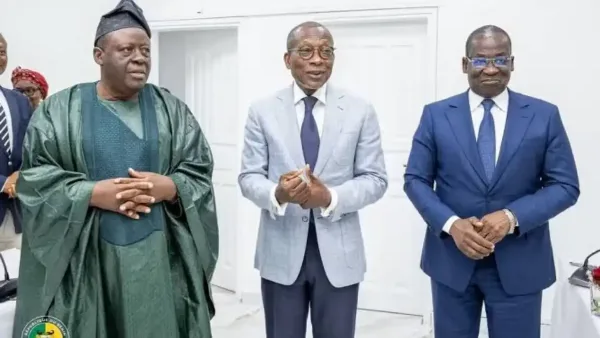
Chaired by Patrice Talon, assisted by members of the bureau and attended by senior political figures serving in the chamber, the session formally equips the Senate with the funding needed to carry out its constitutional duties in the year ahead.
For ordinary citizens, the practical effect is that the Senate can begin planning oversight activities, committee work and public engagement without delay once the fiscal year starts. For businesses and local authorities, the timely inclusion of Senate allocations in the broader finance law reduces the risk of late disbursements or administrative bottlenecks that can slow down publicly funded initiatives.


More Stories
Mali’s prison crisis at a tipping point: how mass arrests are reshaping justice and security
Abidjan’s employment breakthrough: World Bank Open Days ignite a new trajectory for young Ivorians
Burkina Faso’s agricultural turning point: when production fails the farmers who feed the nation