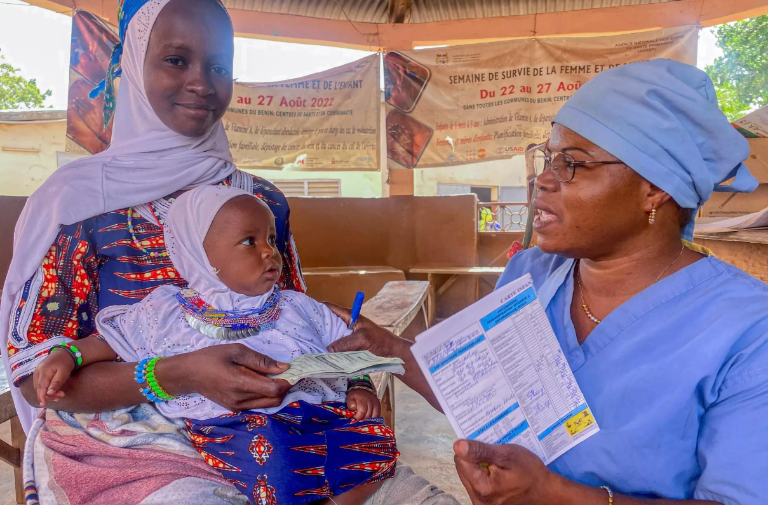
Why Benin’s decision could reshape health care for millions
With over 15,000 foreign-trained healthcare professionals facing mandatory competency assessments, Benin is taking a decisive step to safeguard patients and strengthen its health system. The government’s move targets doctors, nurses, midwives, and pharmacists whose diplomas from unaccredited foreign institutions now require validation. This isn’t just an administrative check—it’s a lifeline for public health, economic stability, and the thousands of Beninese who rely on trusted medical care every day.
Who’s under the microscope and why it matters
The nation’s health sector is bracing for a rigorous verification process affecting 15,398 professionals—nearly 67% of the 22,972 foreign-trained graduates assessed in May 2026. The focus is on four critical professions:
- General practitioners responsible for diagnosing and treating illnesses
- Pharmacists who dispense life-saving medications
- Nurses and midwives providing frontline care, especially during childbirth and maternal health
These roles sit at the heart of Benin’s healthcare delivery, meaning their competence directly impacts patient outcomes, disease prevention, and the overall credibility of medical services across clinics and hospitals.
A system built on trust—and its fragile pillars
The government’s motivation isn’t bureaucratic red tape; it’s rooted in hard lessons learned from substandard care. A diploma alone doesn’t guarantee safe practice. Insufficient training or unchecked practices can lead to misdiagnoses, incorrect prescriptions, and preventable harm. By mandating practical and theoretical evaluations, authorities aim to:
- Eliminate the risks of unqualified practitioners entering the workforce
- Raise the bar for professional standards nationwide
- Restore confidence in Benin’s health institutions
In a country where healthcare access is already constrained, the stakes are too high to leave qualifications unverified.
The pathway to legitimacy: what the evaluation process reveals
The assessment isn’t a one-size-fits-all quiz. It follows a structured framework designed to mirror real-world demands:
- A capacity-building program prepares candidates with updated training modules
- A clear pedagogical regulation defines scoring criteria, pass conditions, and certification rules
- Objective evaluations measure both theoretical knowledge and hands-on skills
Candidates who meet the standards earn a Certificate of Professional Aptitude, a crucial step toward local equivalence—but not a guarantee. Recognizing the nuance is vital: this process validates competence, not diplomas. Those who fail will need remediation or alternative pathways to compliance, emphasizing the government’s commitment to excellence over shortcuts.
Beyond paperwork: how this reform protects families and the economy
The ripple effects of this initiative extend far beyond the examination room. For patients, the benefits are immediate and vital:
- Safer treatments and reduced medical errors decrease long-term healthcare costs
- Stronger maternal and child health outcomes through verified midwifery and nursing skills
- Enhanced trust in the health system, encouraging more people to seek timely care
Economically, the dividends are equally compelling:
- Lower absenteeism and productivity losses linked to preventable health complications
- More reliable medical services that attract investment and tourism
- Fewer catastrophic health expenditures for families burdened by avoidable complications
The message is clear: a health system is only as strong as the professionals who uphold it—and Benin is raising the bar to ensure that strength.
The human factor: what’s at risk without this reform
Imagine a mother in Cotonou prescribed the wrong medication because a foreign-trained nurse missed critical training. Or a farmer in Parakou misdiagnosed due to an underqualified pharmacist. These scenarios aren’t hypothetical—they’re the very risks this system aims to neutralize. By enforcing accountability, Benin is not just protecting patients; it’s preserving its social fabric and economic future.
The reform also corrects a long-standing imbalance: professionals trained abroad bring diverse skills, but unchecked entry into the workforce dilutes the integrity of the profession. This evaluation bridges that gap, ensuring that Benin’s health sector reflects both global expertise and local compliance.
Transparency and fairness: the bedrock of success
Managing over 15,000 candidates demands precision. Success hinges on:
- Clear communication of schedules, locations, and evaluation formats
- Consistent grading aligned with national and international standards
- Support systems for candidates needing additional preparation
Transparency builds credibility. If the process is seen as arbitrary or punitive, it risks undermining public trust. Conversely, a fair, well-structured evaluation can transform skepticism into opportunity—for professionals, policymakers, and the people they serve.
At its core, this isn’t just about paperwork or exams. It’s about redefining what it means to practice medicine in Benin. By tying certification to demonstrated skill, the government is not only safeguarding today’s patients but investing in a healthier, more resilient future for all.
A call to action for an entire nation
For the 15,398 professionals at the center of this reform, the stakes couldn’t be higher. This evaluation is more than a hurdle—it’s a chance to prove their worth and secure a place in Benin’s evolving health landscape. For citizens, it’s a promise: that their care will be delivered by hands trained, tested, and trusted. For the economy, it’s a step toward sustainability and growth.
The government’s commitment to this process signals a turning point. But its true impact will be measured not in certificates issued, but in the lives saved, families protected, and communities uplifted. This is Benin’s moment to redefine healthcare—for the better.