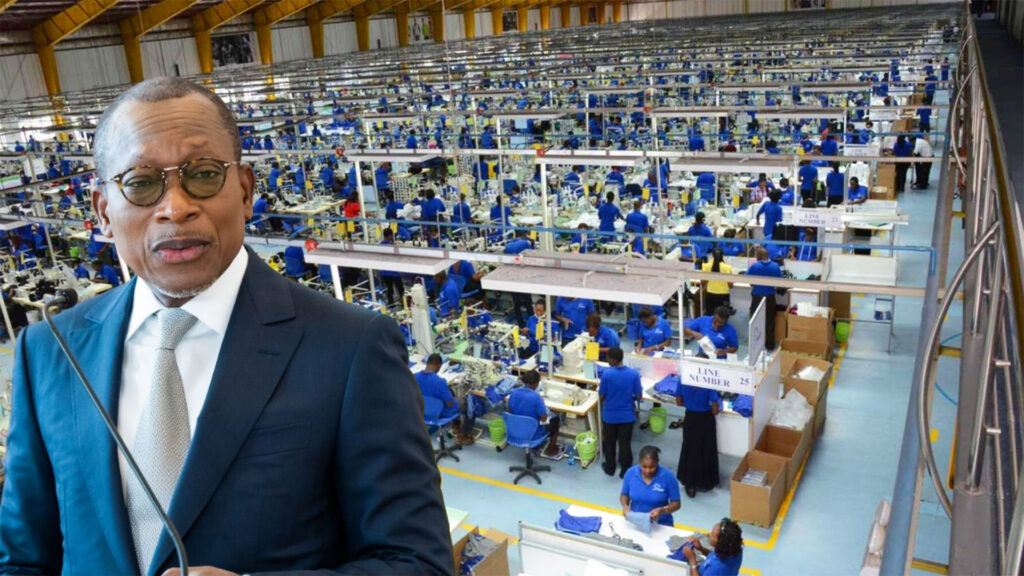
A decade ago, Benin embarked on a trajectory whose full implications were perhaps not entirely apprehended by observers at the time. Upon assuming office at the Marina on April 6, 2016, Patrice Talon did not merely introduce a policy agenda; he established a governing philosophy centered on rigorous efficiency in pursuit of national sovereignty. As this period draws to a close, it is evident that the initial promise of a "New Start" has culminated in a structurally reconfigured nation. This analysis delves into a decade characterized by significant discontinuity and reinvention.
The "Chief Technocrat" Doctrine: A Methodological Revolution
The impact of the Talon presidency was initially psychological. By replacing a culture of prolonged deliberation with a "time for action," the Head of State cultivated an ethos of exacting accountability. The comprehensive overhaul of public finances and the digitization of administrative processes were not merely technical adjustments; they served as critical catalysts for enhancing international credibility. This is underscored by the ratings from agencies such as Moody’s and Standard & Poor’s, which have recognized Benin as one of Africa’s most resilient economies, capable of issuing Eurobonds with unprecedented maturity periods.
Industrial and Infrastructural Renaissance: From Consumption to Production
The strategic brilliance of this decade is epitomized by the definitive shift away from a passive transit-based economy.
- The GDIZ Catalyst: The Glo-Djigbé Industrial Zone (GDIZ) has emerged as the nucleus of a new Benin, one that transcends the mere export of raw materials like cotton and cashews. By integrating into global value chains through local processing, the nation has established a robust defense against external economic volatilities.
- Asphaltage as a Growth Engine: Beyond the physical paving of roads, this program has functioned as a powerful instrument for regulated urban development, significantly appreciating property values and bolstering the commercial appeal of urban centers.
Benin’s "Soft Power": Diplomacy Through Culture
Patrice Talon’s strategic acumen was also evident in his management of the national narrative. The repatriation of 26 royal treasures transcended a symbolic gesture, marking the inception of a burgeoning memorial tourism sector. Through substantial investments in museums designed to international standards, Benin has transmuted its rich history into a pivotal economic asset, thereby solidifying its position as a cultural beacon in West Africa.
The Enduring Legacy: "Benin 2060"
The true bequest of Patrice Talon extends beyond tangible infrastructure such as bridges, power plants, and schools; it is fundamentally institutional. "The greatest achievement of this administration is not its construction of the present, but its meticulous charting of the future," observes a regional strategy expert. The introduction of the Benin 2060 Vision last February underscores this commitment to long-term sustainability. By prioritizing human capital through initiatives like school canteens and a comprehensive reform of the healthcare system, the president is leaving behind a meticulously optimized state apparatus where improvisation has been systematically eliminated.
Conclusion: A Nation Poised for Progress
While the stringent methods of the Talon administration may have challenged established practices, the positive trends in macroeconomic indicators and the noticeable improvements in living standards are undeniable. Patrice Talon concludes his tenure having achieved his most formidable objective: reinstating a sense of national pride among Beninese citizens in a country that is advancing, producing, and asserting itself on the global stage. The Benin of 2026 is no longer a nation awaiting its destiny; it is a sovereign state that has firmly taken control of its own historical trajectory. This legacy, built on a foundation of concrete achievements and audacious vision, now rests in the hands of posterity.